Poland Expels 11 Individuals Allegedly Funded by Russia for Protests Among Ukrainian Refugees
Polish security forces deported Ukrainian and Belarusian nationals accused of recruiting protest participants with Russian financial backing, raising concerns for US interests.
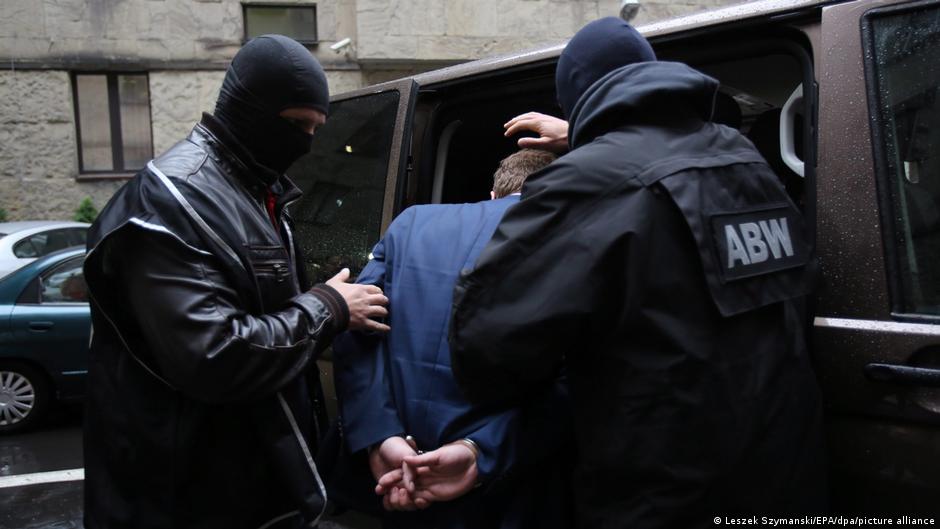
Poland has deported nine Ukrainian and two Belarusian nationals suspected of orchestrating protests among Ukrainian refugees in the country, with funding allegedly sourced from Russia. The expulsions followed investigations by Poland's Internal Security Agency (ABW), which uncovered efforts to recruit participants for demonstrations financed by Russian funds.
Russian Influence Operations in Poland and Regional Implications
The ABW announced on June 29 that the detainees were apprehended in various Polish cities, including Warsaw, Wrocław, Kraków, Zakopane, and Bydgoszcz. According to the agency, since the fall of 2025, these individuals were engaged in identifying and paying people to join protests involving Ukrainian refugees residing in Poland. The purported goal was to sway the refugee community and leverage it to promote political slogans aligned with Russian interests.
"The organizers aimed to gradually influence the Ukrainian refugee community in Poland and use this group to advance specific political messages," stated the ABW. These protests reportedly focused on emotionally charged topics such as corruption scandals in Ukraine and other internal political events.
This development adds to a pattern of alleged Russian covert operations throughout Europe. In February 2024, Poland's Ministry of Foreign Affairs warned of potential Russian infiltration in farmer protests, highlighting attempts to insert anti-Ukrainian rhetoric into domestic demonstrations. The ministry suggested that such slogans were a means for Russian-affiliated groups to gain control over protest movements within Poland.
Moreover, investigative reports linked to Russian opposition figure Mikhail Khodorkovsky have indicated that Russian authorities have orchestrated disinformation campaigns across European Union countries to sow discord among NATO allies, including France and Turkey, while fostering hostility toward Ukrainians.
Implications for US Business and Policy in Europe
The ongoing Russian efforts to destabilize European societies and fracture NATO unity pose significant challenges to US foreign policy and multinational corporations operating in the region. American businesses with interests in Eastern Europe must navigate an increasingly complex geopolitical environment where misinformation and proxy conflicts threaten market stability and security.
Washington is likely to view Poland's proactive measures as critical to countering Russian hybrid warfare tactics, which could inform broader US strategies on safeguarding democratic institutions and protecting diaspora communities. US policymakers may also consider increasing support and intelligence sharing with Eastern European partners to anticipate and mitigate such influence operations.
Furthermore, disruptions within Ukraine’s refugee communities could have ripple effects on labor markets and supply chains linked to American enterprises, underscoring the interconnected nature of political stability and economic interests in the region.
As Russia continues to exploit social and political fissures across NATO members, US businesses and government agencies must remain vigilant against the risks such illicit activities present to transatlantic alliances and commercial operations.