EU Slashes Duty-Free Steel Import Quota by Nearly Half, Imposes 50% Tariff on Excess
New EU steel import restrictions aim to protect European industry amid concerns over Chinese overproduction and state subsidies.
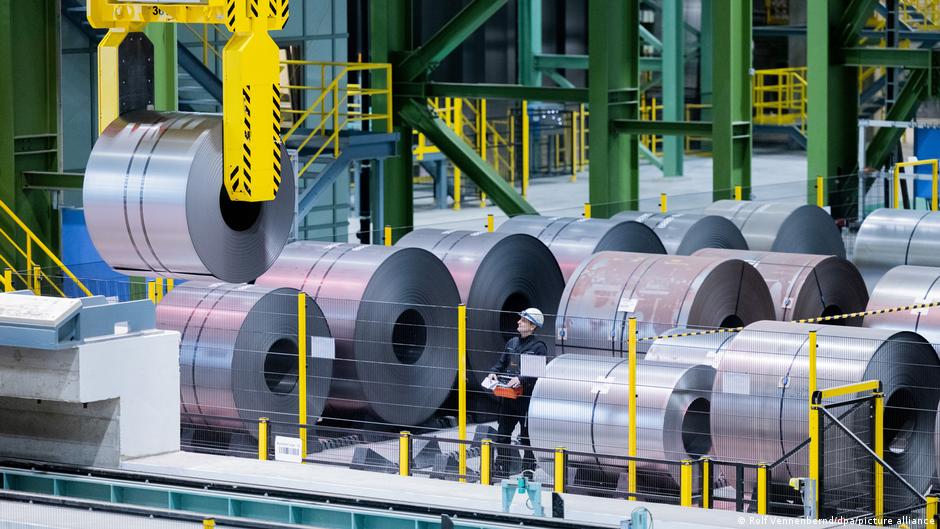
On July 1, the European Union implemented stringent new regulations on steel imports, reducing the duty-free quota by approximately 47% to 18.3 million tons annually. Imports exceeding this quota will now face a steep 50% tariff, doubling the previous rate.
The move is designed to shield the EU's steel industry from a surge in cheap steel flooding the market, particularly from China, which dominates global steel production. Germany, Europe's largest steel producer with an output of around 34 million tons, stands to benefit from these protective measures.
Implications for Global Steel Trade and U.S. Businesses
The EU’s decision reflects broader concerns about the global steel market's dynamics, especially the impact of Chinese overproduction. In 2025, China produced approximately 961 million tons of steel, accounting for more than half of the world's total output. The EU accuses China of unfairly subsidizing its steel sector, contributing to a global steel surplus and distorting competition.
For American companies, these developments have significant implications. U.S. steel producers may find new opportunities within the European market as the EU tightens import quotas and tariffs on third countries, including China. However, the restrictions could also disrupt global supply chains and raise steel prices, affecting U.S. manufacturing sectors reliant on steel imports.
The EU’s policy includes quota allocations for duty-free imports from specific third countries, with unused quotas allowed to roll over to subsequent quarters. This approach aims to balance protectionism with market needs but could lead to complex regulatory challenges for exporters.
"The EU’s tightened steel import regime seeks to curb the influx of low-cost steel and support domestic producers in a market heavily influenced by Chinese state subsidies," industry analysts note.
From Washington’s perspective, the EU’s protective measures underscore ongoing global trade tensions and the challenges of fair competition in critical industrial sectors. U.S. policymakers and businesses will need to monitor these changes closely, assessing their impact on transatlantic trade relations and the steel industry’s supply chains.