Russia Allows Use of Euro-3 Standard Fuel Until 2026 Amid Energy Supply Disruptions
Moscow permits sale of higher-sulfur Euro-3 gasoline and diesel domestically, affecting fuel quality and supply stability with implications for US energy interests.
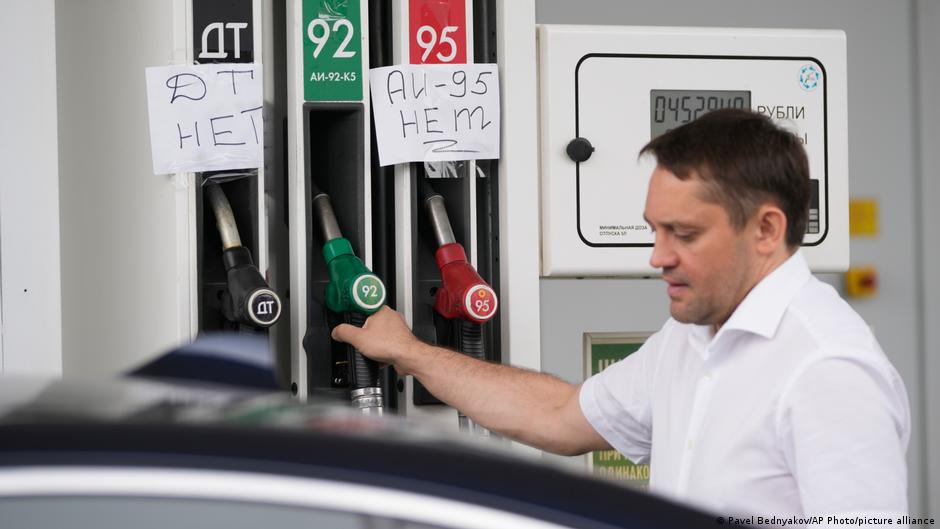
The Russian government has authorized the continued circulation of gasoline and diesel fuels meeting the outdated Euro-3 environmental standard until the end of 2026. This move permits higher sulfur content in fuels, reversing prior restrictions aimed at improving air quality and aligning with stricter international fuel regulations.
Signed into effect by Prime Minister Mikhail Mishustin on July 2, the decree allows certain Russian refineries to produce and distribute Euro-3 grade fuels within the domestic market. However, this fuel will not be officially marked or distributed within other member states of the Eurasian Economic Union (EAEU), signaling a strictly internal policy adjustment.
Fuel Quality Relaxation Amid Supply Crisis
Euro-3 standards, which were in force in Europe between 2000 and 2005, permit sulfur content up to 150 mg/kg for gasoline and 350 mg/kg for diesel. By contrast, modern Euro-5 standards — widely adopted globally, including in many US-aligned markets — restrict sulfur to just 10 mg/kg, a 15 to 35 times lower limit.
According to Russia's Ministry of Energy, this relaxation is a "preventive measure" aimed at stabilizing the domestic energy market amid significant disruptions caused by ongoing military actions. Specifically, Ukrainian Armed Forces' strikes have targeted key refining and fuel infrastructure, including the Moscow-based Kapotnya Refinery, which supplies approximately 40% of the capital's fuel needs and has been taken offline until 2026-2027.
"The shift to lower fuel standards allows the use of crude oil that does not require deep processing and enables refineries lacking advanced upgrading capacity to continue production," explained Dmitry Prokofiev, Communications Director at consulting firm NEFT Research. "However, fuel of Euro-3 or lower grade may pose risks to modern vehicles designed for higher-quality fuels."
Fuel production in Russia has reportedly declined by 25% year-on-year to 85,000 tons per day, below the summer demand of 110,000 tons per day, according to Reuters data. The Russian government has already imposed official fuel sales restrictions in over 40 regions, including occupied Ukrainian territories, with supply interruptions reported across 85 federal subjects.
For US businesses and policymakers, these developments have several implications. American companies operating in or trading with Russia’s energy sector face increasing operational challenges and potential compliance risks due to the divergence from global fuel standards. The relaxation of sulfur limits can lead to increased emissions and environmental concerns not only locally but globally, complicating international cooperation on climate goals.
Moreover, Russia’s fuel supply instability could impact global energy markets, influencing fuel prices and supply chains. The ongoing conflict and infrastructure damage highlight the geopolitical risks that American energy firms and policymakers must navigate in their engagements with Russia and Eurasian markets.
As Russia prioritizes internal fuel availability over environmental standards, Washington and international partners may need to reassess strategies related to energy security, sanctions enforcement, and environmental commitments in response to shifting market and political dynamics.