Canada Chooses German TKMS Submarines in Major Defense Procurement Deal
Canada’s decision to procure German-built non-nuclear submarines signals strengthened transatlantic defense cooperation ahead of NATO summit.
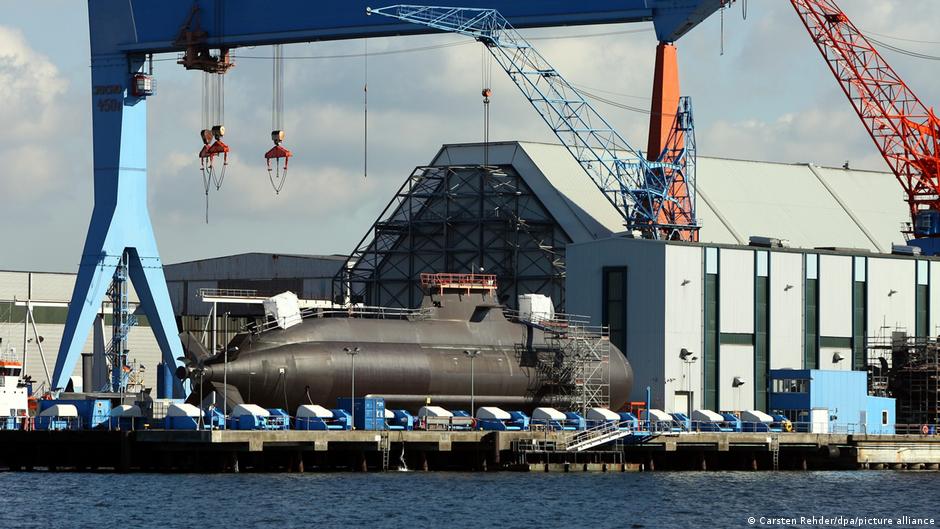
Germany has welcomed Canada's recent decision to select the German shipbuilder TKMS for its new fleet of non-nuclear submarines, marking a significant development in transatlantic defense collaboration. Chancellor Friedrich Merz described the move on July 6 as a "powerful signal" of European and North American partnership in defense ahead of the NATO summit.
Implications for NATO and U.S. Strategic Interests
Canada's Prime Minister Mark Carney officially announced plans to acquire up to 12 Type 212CD submarines, a joint German-Norwegian design. German Defense Minister Boris Pistorius emphasized that the shared submarine fleet among Germany, Norway, and Canada will be a cornerstone of NATO’s security strategy in the Arctic and North Atlantic regions. This trilateral cooperation is seen as a step toward equitable burden sharing within the alliance.
"Together, we will create the largest and most advanced non-nuclear submarine fleet in the world, enabling real-time intelligence sharing across critical maritime theaters," Pistorius stated.
Given the strategic importance of Arctic security and the increasing geopolitical competition in the region, the German-led submarine deal is closely aligned with U.S. interests in strengthening NATO's northern flank. Enhanced surveillance and operational capabilities from the new submarines will assist allied efforts to monitor Russian naval activity and secure vital sea lanes.
German Foreign Minister Johann Wadephul expressed satisfaction that Canada opted for TKMS over competing bids, notably from South Korea's Hanwha Ocean. He described the Type 212CD as the "best non-nuclear submarines globally," underscoring the high technical standards and innovation involved. The deal thus represents not only a defense collaboration but also an industrial partnership that could reinforce Western defense manufacturing supply chains.
The contract with TKMS, headquartered in Kiel, Germany, is valued at an estimated 100 billion euros when factoring in lifecycle maintenance and operational support over the coming decades. This sizable investment highlights the long-term strategic commitment by Canada and its allies to modernizing naval capabilities amidst rising global tensions.
For U.S. businesses and defense policymakers, the German-Canadian submarine contract reflects evolving dynamics in transatlantic defense procurement. While American firms were not involved in this particular bid, the deal may prompt Washington to reassess its role in allied maritime defense and the opportunities for greater industrial cooperation with European partners.
Moreover, this development could influence the U.S. Navy's Arctic and North Atlantic operational planning, as allied submarine assets expand their presence in these critical theaters. The enhanced interoperability between NATO members' naval forces is likely to bolster collective deterrence and maritime domain awareness, which are key priorities for the Biden administration.
Overall, Canada’s choice to acquire German submarines highlights the continuing importance of robust defense partnerships within NATO and signals increased investment in advanced technologies to counter emerging security challenges in the High North and beyond.