Cuban National Blackout Highlights Rising Strains Under US Economic Pressure
Cuba’s nationwide power outage underscores the escalating impact of US sanctions on the island’s energy sector and economy.
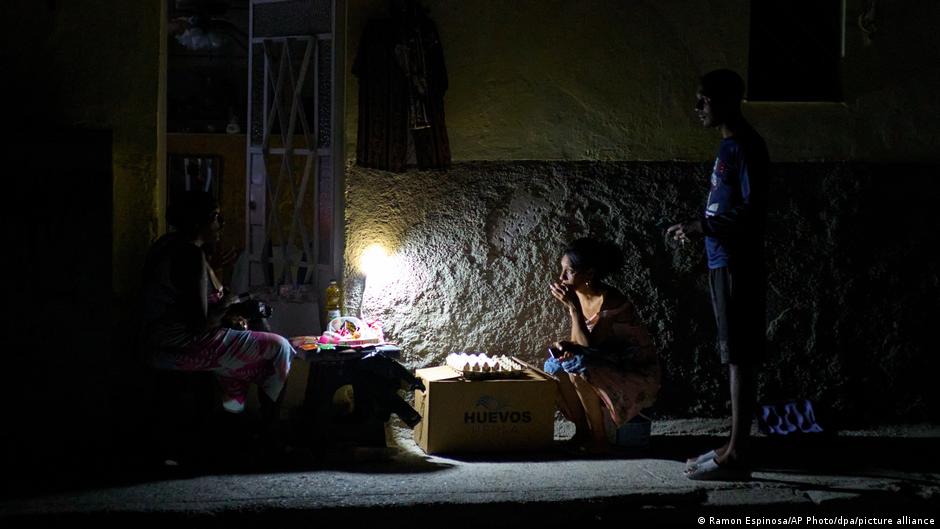
On July 6, Cuba experienced a complete nationwide blackout, as its electrical grid failed entirely, according to the state-operated company Unión Eléctrica. The Cuban government has initiated recovery efforts, but the root causes of the outage remain under investigation.
This latest energy crisis has unfolded amid increasing economic and political pressure from the United States administration. Since the tightening of sanctions, Cuba has struggled to secure sufficient fuel to sustain its electricity generation, relying on only 40% of the necessary fuel supply.
Under US-imposed restrictions effective from January 2026, only a single Russian tanker was authorized to deliver oil to Cuba, bringing 730,000 barrels in late March — a stock that was depleted by May. This supply limitation has severely strained Cuba’s energy infrastructure.
US Sanctions Deepen Cuba’s Power and Economic Crisis
Bloomberg reports that the longstanding US embargo has exacerbated chronic electricity shortages on the island, home to approximately 10 million people. In May, Cuban authorities declared a complete exhaustion of their fuel reserves, which has led to recurring blackouts and rolling power outages lasting up to 24 hours in efforts to conserve energy.
The frequency of widespread blackouts has increased in recent months. In mid-March, the entire country lost power for several hours, and in May, the eastern provinces faced similar outages. Scheduled power cuts have become a regular feature as the government seeks to manage the energy deficit.
"The US economic blockade has significantly worsened Cuba’s chronic power outages, impacting millions of residents across the island," noted analysts tracking the crisis.
In response to the deepening crisis, Cuban authorities have initiated substantial economic reforms, including the most significant partial privatization in 65 years. In June 2026, Havana proposed nearly 200 market-oriented reforms aimed at alleviating the US fuel blockade and stabilizing the economy.
However, diplomatic efforts between the US and Cuba remain at an impasse. Sources indicate that the Trump administration is leveraging economic and political pressure in hopes of precipitating a regime change in Havana, seeking a government more amenable to US interests.
For US businesses and policymakers, the ongoing instability in Cuba signals growing risks in the region. The energy shortages and political tensions could further disrupt trade and investment opportunities, while the US’s hardline stance may prolong the humanitarian and economic challenges faced by the Cuban population.



