Germany Approves 2027 Budget with Increased Defense Spending and Borrowing
Berlin plans significant budget growth amid security concerns over Russia, raising implications for US-German economic and defense cooperation.
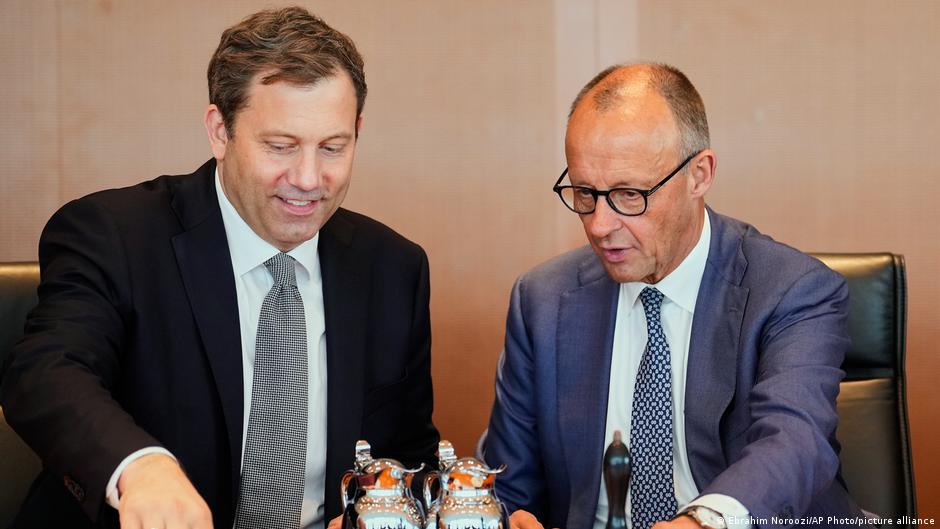
On July 6, the German government approved its federal budget proposal for 2027, signaling a substantial increase in both planned expenditures and new borrowing. The budget, prepared by Finance Minister Lars Klingbeil, is set to raise total spending to €555.4 billion next year—almost 6% higher than this year's outlays—and increase net new borrowing to €118.7 billion from €98 billion in 2026.
Defense Spending Surge Amid Russia-Driven Security Concerns
One of the most notable features of the 2027 budget is the dramatic 32.7% increase in the German Ministry of Defense’s allocation, growing from €82.69 billion in 2026 to €109.75 billion in 2027. This surge reflects Berlin’s assessment of heightened security risks posed by Russia, with Finance Minister Klingbeil emphasizing Germany’s need to address decades of underfunding in its armed forces.
“We must make up for three decades of neglect that have weakened our military and do so swiftly. We cannot defend ourselves from Putin with a balanced budget,” Klingbeil stated.
For Washington and American businesses operating in Germany, this shift presents both strategic and economic considerations. Increased German defense spending could translate into expanded transatlantic military cooperation and procurement opportunities for US defense contractors. However, it also signals further fiscal pressure on Germany’s economy, potentially affecting the broader investment climate.
Budget Priorities and Economic Concerns
The largest share of the 2027 expenditure remains with Germany’s Federal Ministry of Labour and Social Affairs, earmarked at €201.4 billion primarily for pension payments. Following defense, the Ministry of Transport is allocated €26.43 billion.
Critics from Germany’s business sector, including the Federation of German Industries (BDI) and the Association of German Chambers of Commerce and Industry (DIHK), voiced concerns about the budget’s impact on economic growth. BDI CEO Tanja Gönner described the planned spending and borrowing increases as "alarming," urging the government to prioritize measures that stimulate economic growth and improve public spending efficiency.
Similarly, DIHK CEO Helena Melnikov warned that by 2030, nearly 80% of the budget would be consumed by social spending, defense, and debt servicing, leaving little room for growth-enhancing investments. This fiscal dynamic may complicate Germany’s economic outlook and affect the operational environment for US companies.
Overall, Germany’s 2027 budget reflects a strategic recalibration driven by geopolitical tensions with Russia, with increased military spending taking center stage. For US policymakers and business leaders, these developments underscore the evolving nature of transatlantic relations, defense collaboration, and the economic environment in Europe’s largest economy.