Council of Europe Criticizes Democratic Backsliding in Georgia, Raising Concerns for US Interests
PACE resolution urges Georgian authorities to halt opposition persecution and ensure free, democratic elections amid rising political tensions.
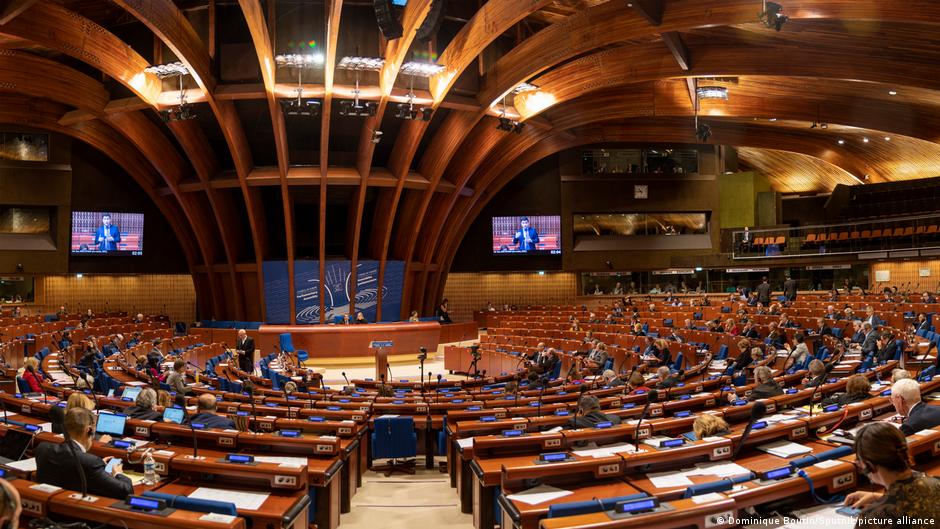
The Parliamentary Assembly of the Council of Europe (PACE) adopted a resolution on June 24 sharply criticizing Georgia for its democratic decline. The document calls on the Georgian government to stop persecuting opposition figures, repeal repressive laws, and create conditions for free and fair elections.
The resolution passed with 83 votes in favor, 5 against, and 4 abstentions. It expresses deep concern over ongoing setbacks to democratic standards in Georgia, notably the suppression of civil society, political opposition, and dissent despite previous resolutions and recommendations.
Implications for US Political and Business Interests
Georgia’s strategic location and its aspirations for Euro-Atlantic integration make the health of its democracy a critical issue for the United States. Washington has supported Georgia’s democratic institutions as a bulwark against Russian influence in the region. PACE’s resolution highlights challenges that could complicate this support and pose risks for American companies operating or investing in Georgia.
“The Parliamentary Assembly calls on Georgian authorities to cease opposition persecution, repeal repressive legislation, and ensure free and democratic elections,” the resolution states.
The resolution underscores that Council of Europe membership entails adherence to democratic principles and condemns measures undermining those standards. This includes concerns over reforms affecting academic freedom and cross-border repression of journalists. Such developments raise red flags for US policymakers monitoring democratic integrity in countries central to Washington’s strategic interests.
PACE also urges thorough investigations into police violence during protests and stresses the importance of Georgia complying with European Court of Human Rights rulings and Organization for Security and Co-operation in Europe (OSCE) recommendations. The Assembly reaffirmed its commitment to dialogue aimed at restoring democratic norms in Georgia.
However, the Georgian Parliament Speaker, Shalva Papuashvili, condemned the resolution as “anti-Georgian.” He accused PACE and the European Parliament of not recognizing Georgia’s sovereignty, citing their refusal to acknowledge the ruling Georgian Dream party’s victory in the 2024 parliamentary elections and calls for new elections as politically biased. Georgia’s delegation had suspended its membership in PACE about eighteen months ago in protest.
For US businesses, the political uncertainty and accusations of democratic erosion in Georgia could affect investment climates, partnerships, and regional stability. American companies involved in sectors such as energy, infrastructure, and financial services must monitor these developments closely as they may influence regulatory environments and operational risks.
From a Washington perspective, the PACE resolution serves as a reminder that ongoing support for democratic governance in countries like Georgia remains essential. It also signals potential diplomatic challenges ahead as Georgia navigates internal political divisions and external pressures.