US Senate Votes to End War Against Iran, Signaling Shift in Washington Policy
Senate passes resolution urging withdrawal of US troops from Iran conflict zone amid ongoing peace talks and political debate.
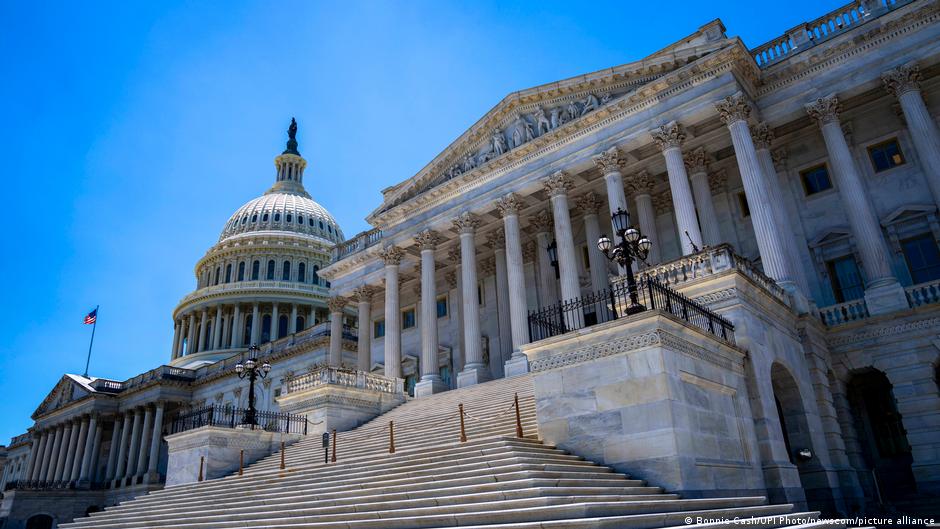
The United States Senate voted narrowly to support a resolution calling for an end to military operations against Iran, echoing a similar move by the House of Representatives earlier this month. The 50-48 vote on June 23 reflects growing bipartisan concerns about the ongoing conflict between the US, Israel, and Iran that has persisted since February 2026.
The resolution urges President Donald Trump to withdraw American forces from the conflict zone involving Iran. However, its effect remains largely symbolic, as the White House maintains that the measure carries no legal authority. The president neither can veto nor is bound by the resolution, underscoring the complex power dynamics between Congress and the executive branch on foreign military engagements.
Implications for US Foreign Policy and Business Interests
Democratic senators who spearheaded the resolution emphasized the need for Congress to assert its constitutional role in authorizing armed conflict. They argued that any resumption of hostilities should require explicit congressional approval, signaling a pushback against executive overreach and ongoing military commitments abroad.
"Congress must clearly communicate that renewed military action cannot proceed without its consent," said one leading senator.
Despite the ceasefire agreement reached in mid-April 2026, sporadic clashes have continued between US and Iranian interests. The two countries signed a memorandum of understanding in June 2026, intended to halt hostilities across multiple fronts, including Lebanon, lift sanctions on Tehran, and establish a fund dedicated to Iranian reconstruction efforts.
From a business perspective, this development could ease some uncertainty for American companies exposed to the Middle East region. Prolonged conflict has disrupted global supply chains, particularly in energy markets, and heightened geopolitical risk premiums. Stability would benefit US energy firms, exporters, and multinational corporations operating in or near Iran.
The Trump administration has downplayed the resolution’s significance, attributing its passage partly to the absence of some Senate Republicans during the vote. White House officials have also pointed out that, as active combat operations have ceased since April's ceasefire, there is no ongoing conflict zone from which to withdraw troops.
Nevertheless, ongoing negotiations between Washington and Tehran aim to solidify a comprehensive peace agreement. President Trump recently announced that progress has been made on key issues such as nuclear inspections, sanctions relief, and maritime navigation in the strategic Strait of Hormuz. According to Trump, Iran has agreed to allow international inspections of its nuclear facilities, a step that could sustain momentum toward a lasting settlement.
For US businesses, a formal peace accord could unlock new opportunities in Iran’s untapped markets, particularly in energy, infrastructure, and finance. The potential lifting of sanctions would open pathways for American companies to re-engage commercially, provided political conditions remain stable.
As Congress asserts more influence over foreign policy decisions, US companies will be watching closely. The evolving diplomatic landscape offers both risks and openings, depending on the administration’s ability to secure durable peace and congressional backing.