US Imposes New Sanctions on Key Cuban State Enterprises Impacting $14.5B Economy
Washington targets five major Cuban firms controlling 40% of GDP, escalating tensions and legal battles over US business interests.
The White House has escalated its sanctions campaign against Cuba by imposing new restrictions on five pivotal state-owned companies that collectively account for approximately 40% of the island nation's GDP.
Sanctions Target GAESA-Linked Enterprises and Political Figures
On June 23, the US government announced fresh sanctions focused on companies tied to the Grupo de Administración Empresarial S.A. (GAESA), a conglomerate controlled by Cuba's Revolutionary Armed Forces. GAESA is estimated to oversee about 40% of Cuba’s economic output, with liquid reserves reported at $14.5 billion as of 2024.
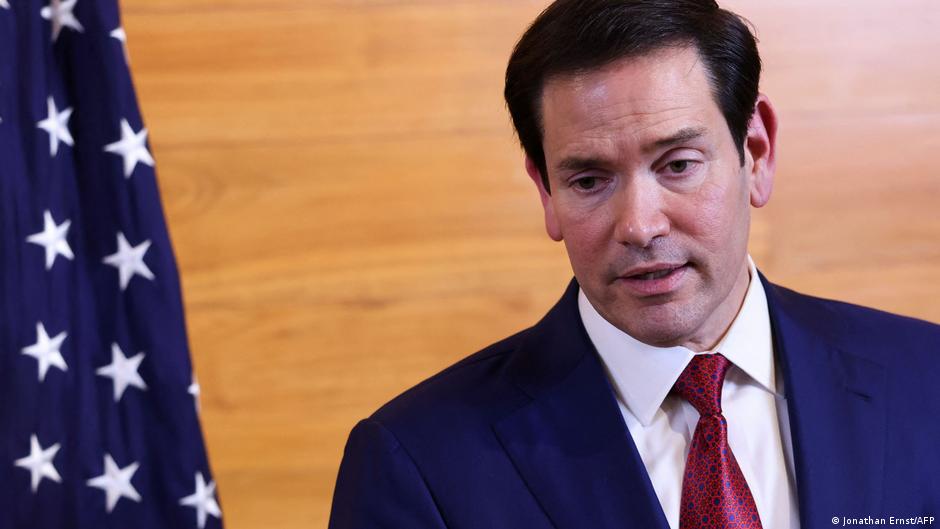
US Secretary of State Marco Rubio emphasized that these measures are designed to disrupt GAESA’s operations, which include sectors like export-import trade, foreign investment, financial transactions, and raw steel production.
"The Cuban regime uses GAESA not only for personal enrichment but also to fund repression, espionage, and anti-American activities," Rubio stated.
The sanctions also extend to the spouse of Alejandro Castro, head of Cuba's National Security Council and son of former leader Raúl Castro, signaling a direct challenge to the Cuban political elite.
Implications for US Businesses and Legal Recourse
The move coincides with the US Supreme Court affirming the rights of American companies to seek compensation for properties nationalized by Fidel Castro’s government decades ago. This legal development enables firms like ExxonMobil to sue Cuban entities using assets formerly owned by them, including oil refineries, terminals, and over 100 gas stations seized in 1960.
The Wall Street Journal reports that compensation claims could reach up to $1 billion, highlighting significant potential financial stakes for US energy companies.
These measures come amid heightened diplomatic tensions, with Cuba’s Foreign Minister Bruno Rodríguez condemning the sanctions as "ruthless aggression and collective punishment," and dismissing Rubio’s statements as dishonest.
From a Washington perspective, these actions align with the Trump administration’s tougher stance on Cuba, aiming to apply economic pressure on the regime while bolstering opportunities for American businesses to reclaim assets and assert their rights.
As the US government intensifies its economic and legal pressure, American companies operating in or with interests in Cuba face both challenges and potential opportunities. The sanctions and court rulings could reshape commercial engagements and influence the broader geopolitical landscape in the Caribbean.