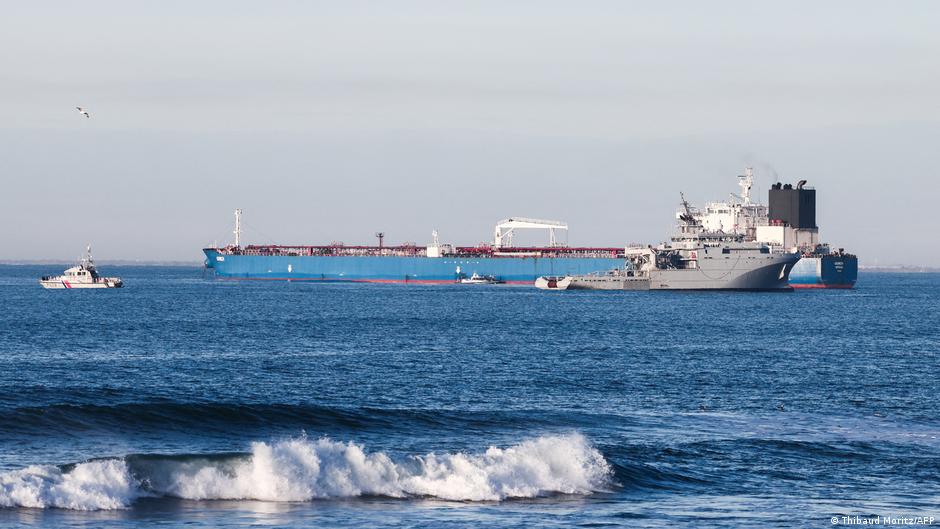
Russia's Oil Exports Hit Highest Level Since Early 2026 Amid US-Iran Deal Impact
Russia increases maritime oil shipments despite US sanctions relief for Iran, impacting global prices and US business interests.
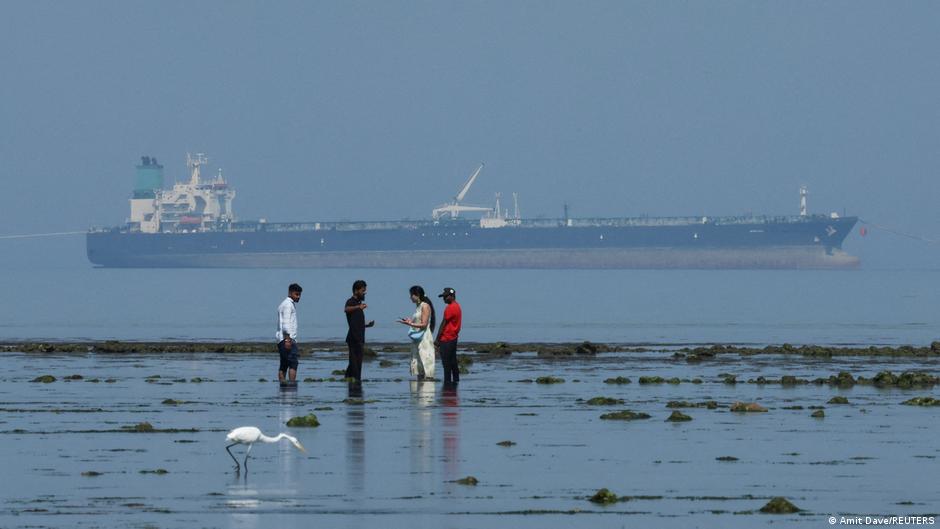
Russia has ramped up its maritime oil exports to the highest weekly volume since early 2026, according to recent data analyzed by Bloomberg. From June 15 to June 21, 38 tankers loaded a total of 28.79 million barrels of Russian crude, averaging 4.11 million barrels per day. This marks a significant milestone, surpassing the average annual export rates seen since the full-scale invasion of Ukraine.
US Sanctions Relief on Iran and Market Dynamics
This surge in Russian exports comes in the wake of the United States temporarily lifting sanctions on Russian crude oil in transit at sea. The move, aimed at alleviating the fuel crisis caused by the blockage of the Strait of Hormuz amid hostilities with Iran, allowed Russia to capitalize on maritime shipments without the threat of immediate penalties. However, the temporary waiver is set to expire on June 17, with no announced extension, injecting uncertainty into future export levels.
The US-Iran memorandum of understanding, which led to the reopening of the Strait of Hormuz and unblocking of Iranian ports, has simultaneously reintroduced Iranian oil back into the global market. This has increased competition, particularly in the lucrative Indian market that both Moscow and Tehran are targeting. The re-entry of Iranian crude has contributed to a roughly 16% decline in global oil prices, exerting downward pressure on benchmark and Russian crude prices alike.
"The return of Iranian shipments to global markets is forcing Russia to offer deeper export discounts, particularly to maintain its foothold in key markets like India," analysts from Bloomberg noted.
According to Argus Media, prices for Russian benchmark crude grades such as Urals and ESPO have fallen approximately 20% over the past week. Furthermore, ongoing Ukrainian attacks on Russian oil refineries have disrupted domestic processing capabilities. This disruption may compel Russia to export more unrefined crude, a strategy likely to further depress prices and squeeze profit margins.
For US businesses and policymakers, these developments pose complex challenges. Lower global oil prices can translate into reduced revenues for American oil producers and energy companies, impacting investment and employment. At the same time, the shifting dynamics in Middle Eastern and Russian oil shipments underscore the geopolitical intricacies Washington must navigate, balancing sanctions enforcement with energy security and market stability.
In summary, Russia’s ability to boost oil exports despite geopolitical friction and sanction dynamics highlights the fluidity of global energy markets. The US government's temporary sanction relief for Iranian and Russian oil has produced immediate market shifts, affecting pricing, supply routes, and competitive positioning—all factors with direct implications for American companies and economic interests.