Trump Praises Zelensky’s Resilience Amid Russia-Ukraine War, Criticizes European Allies
Former US President Donald Trump acknowledges Zelensky’s efforts in the conflict and expresses frustration with Germany’s stance, underscoring challenges for US foreign policy and business interests.
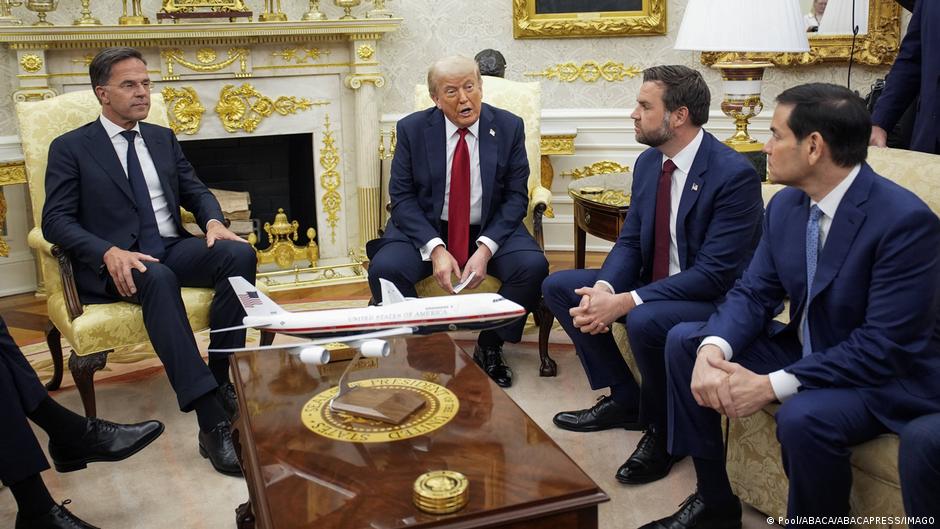
Former US President Donald Trump offered a notable endorsement of Ukrainian President Volodymyr Zelensky’s handling of the ongoing war between Russia and Ukraine, signaling potential implications for Washington’s geopolitical strategy and American companies operating in the region.
Trump’s Unexpected Praise for Zelensky
During a press conference at the White House on June 24, Trump commented on the heavy human toll on both sides in the Russia-Ukraine conflict but stated that Zelensky was "holding up well." When asked by journalists whether he believed Zelensky was winning, Trump replied, "At least he is holding on. A lot of people are dying on both sides, but I think he’s doing quite well."
"At least he is holding on. A lot of people are dying on both sides, but I think he’s doing quite well." – Donald Trump on Zelensky’s war efforts
This positive assessment contrasts with Trump’s previous criticisms of Zelensky, notably accusing the Ukrainian leader of obstructing potential peace efforts. The shift in tone may reflect evolving US political considerations as the conflict enters its fifth year.
Broader Diplomatic Frustrations and Implications for US Businesses
Trump also expressed disappointment with Germany and other European nations over their approach toward US and Israeli policies on Iran. He lamented that despite substantial US financial investment—"hundreds of millions of dollars"—in maintaining military forces in Germany and across Europe, Washington received little political support in return.
These remarks underscore ongoing tensions between Washington and key European allies, which may have knock-on effects on transatlantic cooperation in security and economic domains, critical for US firms engaged in these markets.
In the wake of the recent G7 summit held in France from June 15-17, where leaders including Zelensky met with Trump, the US has pushed for increased sanctions against Moscow. Trump stated the meeting went "very well," advocating for Russia to make peace with Ukraine and pledging to do "everything in his power" to facilitate this.
From a US business perspective, the conflict continues to generate substantial uncertainty. Sanctions, military expenditures, and geopolitical instability pose risks to American companies with investments or supply chains linked to Europe and Eastern Europe. The strained relations with European partners may complicate coordinated responses, impacting market stability and regulatory environments.
Ukrainian President Zelensky has emphasized that with adequate support promised at G7, Kyiv could swiftly create conditions compelling Russia to opt for peace. Although specifics remain unclear, this underscores the critical role of sustained Western assistance in shaping the conflict’s trajectory and, by extension, the operational landscape for US enterprises.
Looking Ahead
Trump’s remarks highlight the continuing complexity of US foreign policy in Eastern Europe, balancing political rhetoric, military commitments, and economic interests. For American companies, developments in Washington’s approach to Ukraine and relationships with European allies will remain pivotal factors influencing strategic planning and risk management.