EU Considers Withholding €2 Million Funding from Venice Biennale Over Russian Participation
European Commission recommends cutting subsidies to Venice Biennale due to Russia’s involvement amid geopolitical tensions.
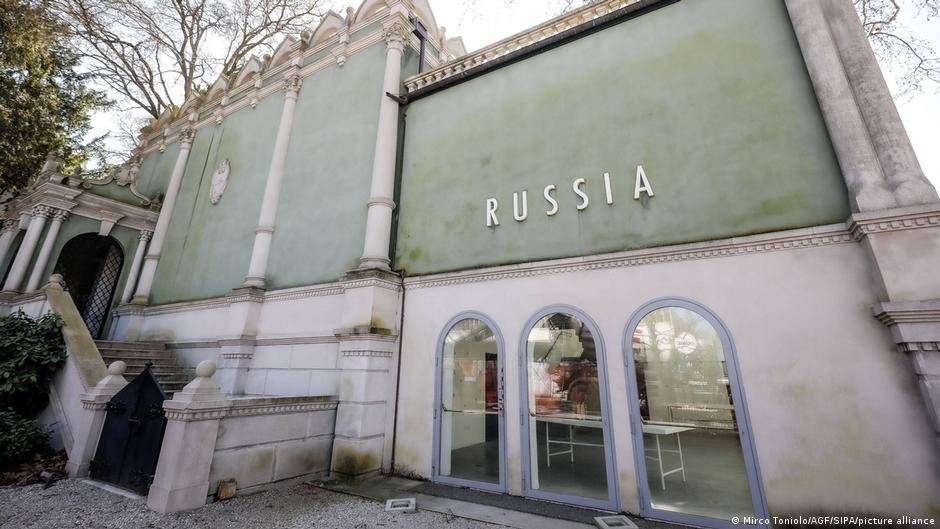
The European Commission has formally recommended that the European Education and Culture Executive Agency (EACEA) withdraw €2 million in funding from the Venice Biennale because of Russia’s participation in the cultural event.
Henna Virkkunen, the European Commission’s Executive Vice-President for Technology Sovereignty, Security, and Democracy, stated on social media that the decision followed a thorough review of the Biennale organizers’ justification for reopening the Russian pavilion.
“Culture in Europe, funded by taxpayers’ money, must promote and protect democratic values. These values are not respected in contemporary Russia,” Virkkunen emphasized.
Implications of Russia’s Return to Venice Biennale
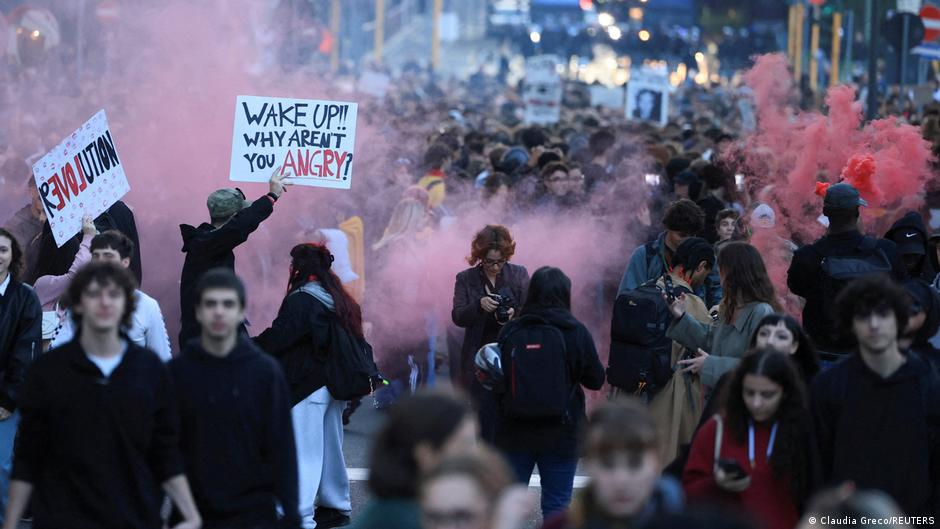
Russia’s return to the prestigious Venice Biennale in 2026 marks its first participation since launching its full-scale invasion of Ukraine, a move that has drawn sharp criticism from both Brussels and Kyiv. The reopening of the Russian pavilion was met with protests, including demonstrations by activist groups such as Femen and Pussy Riot.
European Union foreign policy chief Kaja Kallas declared on April 21 that the EU intends to reduce funding to the Venice Biennale due to Russia’s presence. In early May, the European Commission notified the Italian government and Biennale organizers that Russia’s involvement violates EU sanctions. The Commission’s letter highlighted that the Russian pavilion is government-run, meaning its financing indirectly supports the Kremlin economically.
Pietrangelo Buttafuoco, president of the Venice Biennale, defended the decision to allow Russia’s participation, citing a commitment to freedom of expression.
Washington’s Perspective and US Business Interests
From a US business and political standpoint, the European Commission’s move signals the increasing tension surrounding cultural engagements with Russia amid ongoing geopolitical conflicts. American companies with interests in European markets and cultural sponsorships may face uncertainty as EU institutions reassess funding allocations linked to Russia.
Moreover, Washington’s policies toward Russia have consistently included sanctions and restrictions aimed at curtailing economic support for the Kremlin. The EU’s stance reflects a transatlantic alignment that may impact US companies involved in cultural exchanges or partnerships connected to European institutions influenced by these geopolitical considerations.
For US businesses, especially in sectors like arts, media, and international events, the withdrawal of EU funding from major cultural platforms may reduce opportunities for collaboration and sponsorships that foster cross-border engagement. Navigating these evolving dynamics will be crucial to maintaining operations and influence in the European cultural sphere.