US Military Strikes Iran Again as Strait of Hormuz Remains Closed Amid Rising Tensions
Washington targets Iranian military assets following IRGC attacks on civilian shipping, escalating risks for American businesses reliant on global oil trade.
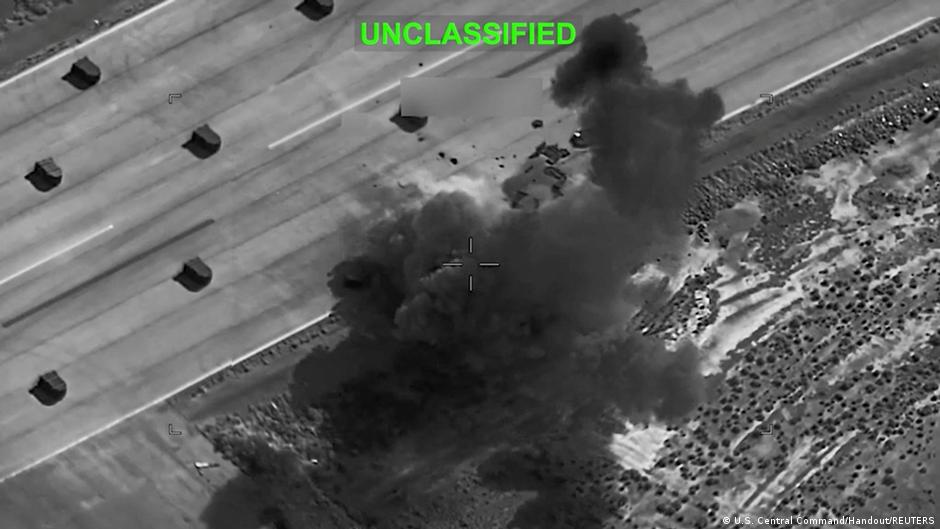
For the third time within a week, US forces launched strikes against Iranian targets in response to attacks on commercial vessels in the strategically critical Strait of Hormuz. The waterway, a vital artery for global oil exports, remains closed, intensifying concerns about potential disruptions to global energy markets and the bottom lines of American companies dependent on stable oil supplies.
US Strikes as Iran Targets Civilian Shipping in Strait of Hormuz
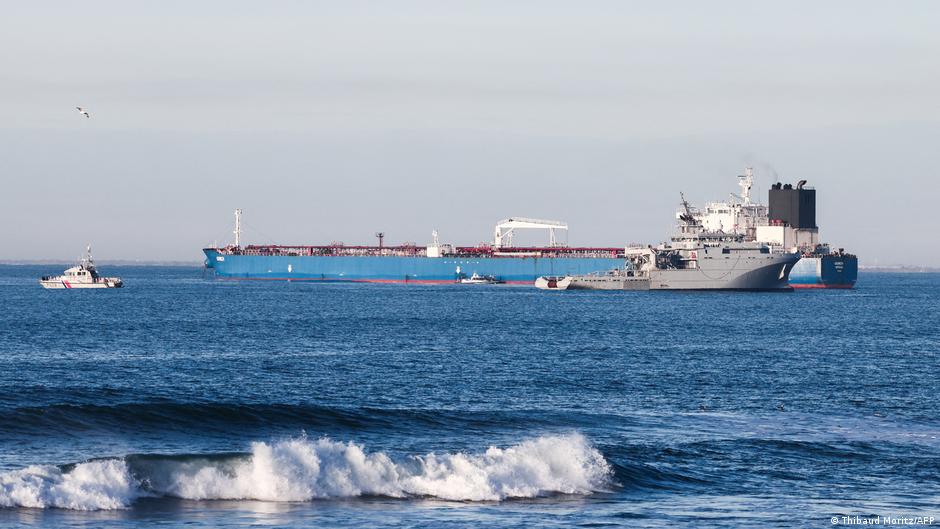
In the early hours of Sunday, July 12, the US Central Command (CENTCOM) announced a fresh wave of military strikes against Iran. These actions follow an assault by Iran’s Islamic Revolutionary Guard Corps (IRGC) on the Cyprus-flagged container ship GFS Galaxy transiting the Strait of Hormuz. One crew member is currently reported missing, and the vessel suffered severe damage including a fire in the engine room, rendering it unable to continue its voyage.
CENTCOM stated, "Iran was given another opportunity to demonstrate compliance with the Memorandum of Understanding after being held accountable for previous attacks on commercial vessels, but it once again failed to do so. In response, the United States is inflicting significant damage on Iran, continuing to degrade its capacity to target civilian mariners and commercial shipping freely passing through the Strait." The US Secretary of Defense, Pete Hegseth, underscored the message succinctly: "Iran made the wrong choice. Now they are paying for it."
Meanwhile, Iran’s IRGC claimed that warning shots were fired at the vessel for deviating from routes approved by Tehran, accusing the ship of jeopardizing maritime security by disabling its systems. The IRGC also announced the Strait of Hormuz would remain closed until US military interventions in the region cease, threatening further strikes on US military bases in the Middle East should US attacks continue.
"Iran was given another opportunity to demonstrate compliance but failed, prompting the US to degrade its ability to attack civilian vessels," said CENTCOM.
Implications for US Businesses and Global Energy Markets
The Strait of Hormuz is a chokepoint through which approximately 20% of the world’s traded oil passes. Any disruption in this corridor significantly impacts global oil prices and, by extension, the operational costs of US businesses, particularly those in sectors sensitive to energy costs such as manufacturing, transportation, and petrochemicals.
The renewed hostilities come despite a June 17 framework agreement between the US and Iran aimed at halting hostilities and reopening this crucial waterway. However, this ceasefire was short-lived. On June 25, Iran deployed a kamikaze drone to attack a civilian tanker in the strait, prompting a US retaliatory strike the following day. Subsequent incidents have seen Iranian attacks extend to neighboring Bahrain and Kuwait, with US forces targeting Iranian military infrastructure including radar installations and missile and drone storage sites.
At the NATO summit in Ankara on July 8, then-President Donald Trump declared the memorandum with Iran null and void, branding Iranian leaders as "evil, sick people" and dismissing negotiation efforts as futile. Despite this rhetoric, US officials have continued backchannel communications with Iranian counterparts to manage escalation risks.
Recent reports suggest Iranian officials acknowledge loss of control over certain elements within their system responsible for the attacks on commercial vessels, indicating a potential opening for renewed dialogue. According to a Washington source, Iranian negotiators admitted, "We failed. We made a mistake. Let's talk." Yet, the immediate outlook remains uncertain amid ongoing military actions.
For American businesses, the volatile situation raises concerns over the security of maritime trade routes, possible spikes in oil prices, and the broader geopolitical instability that can affect market confidence. Energy firms, shipping companies, and manufacturers closely monitor developments, as prolonged disruption in the Strait of Hormuz could reverberate throughout global supply chains and increase operational costs.
As tensions persist, Washington faces the challenge of balancing military responses with diplomatic efforts to safeguard energy security and protect the interests of US businesses dependent on uninterrupted global trade.