Russian Drone Attacks on Kharkiv Damage Homes and Impact Ukrainian Industry Amid Ongoing Conflict
Russian military drone strikes hit Kharkiv's residential districts and a food industry facility in Dnipro, raising concerns for US businesses engaged in Ukraine.
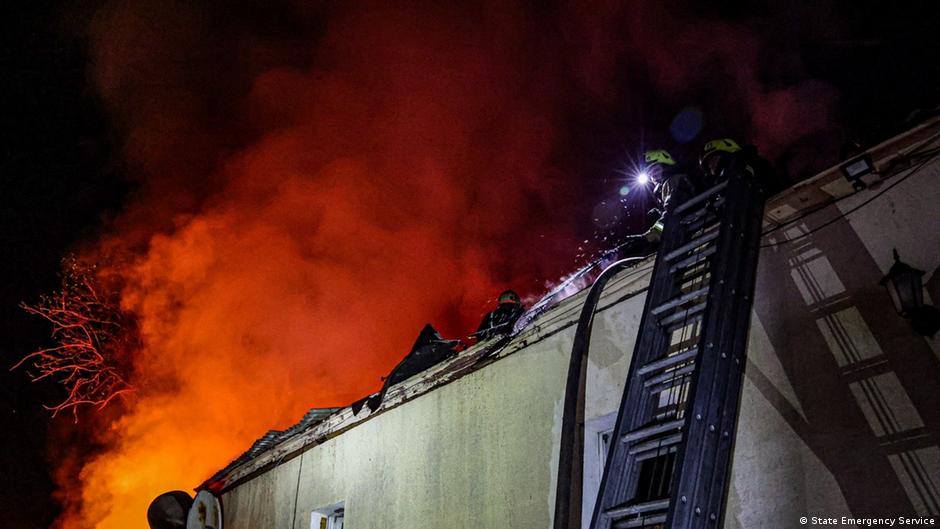
On July 12, Russian forces launched drone strikes targeting multiple districts in Kharkiv, Ukraine's second-largest city, causing damage to over 20 residential buildings and injuring civilians, including a teenage girl. The attacks also extended to a food industry enterprise in the city of Dnipro, highlighting the expanding operational reach of Russian military tactics.
Impact on Civilian Infrastructure and Industrial Facilities
The drone strikes in Kharkiv affected the Shevchenkivskyi, Kyivskyi, and Saltivskyi districts. Local authorities reported that in Shevchenkivskyi alone, more than 20 homes sustained damage, and three individuals sought medical attention following the attacks. Among the injured was a 16-year-old girl. In Kyivskyi district, a garage cooperative caught fire due to the strikes.
Additionally, Russian forces targeted a food production enterprise in Dnipro, a strategic industrial city in eastern Ukraine. Although no casualties were reported at the facility, the attack poses significant risks to the regional food supply chain and underscores the vulnerability of key Ukrainian industries amid ongoing hostilities.
"These attacks on civilian infrastructure and industrial enterprises disrupt not only local communities but may also have broader implications for economic stability," noted experts following the strikes.
Earlier in July, the Ukrainian Air Force observed multiple drone and guided bomb launches towards several other regions, including Sumy, Zaporizhzhia, Donetsk, Poltava, and Odessa. On July 11, Russia fired a barrage consisting of six ballistic Iskander-M/S-400 missiles, four Kh-59/69 cruise missiles, two Kh-31 anti-radiation missiles, and deployed 121 drones. Kyiv was particularly affected during this assault, with 12 casualties reported.
The intensified Russian missile and drone campaign raises critical concerns for international stakeholders, especially American companies engaged in Ukraine’s energy, agricultural, and manufacturing sectors. Disruption of regional supply chains and infrastructure degradation could have a cascading effect on global markets and US business operations.
For US policymakers, the escalation underscores the urgency of maintaining support for Ukraine’s defense capabilities and safeguarding economic interests tied to the region. Continued attacks on civilian and industrial targets may also complicate efforts toward regional stability and reconstruction.
In Odessa, missile strikes on July 11 killed two people, while bombings in Sumy on the same day resulted in five deaths and 30 injuries. In Zaporizhzhia, Russian guided bomb attacks wounded at least four civilians. Ukraine’s State Emergency Service continues to assess the full extent of human and material losses.
As the conflict persists, American businesses with investments or supply chains in Ukraine and neighboring countries must prepare for potential disruptions and reassess risk management strategies. Meanwhile, Washington faces the challenge of balancing diplomatic initiatives with ongoing military and humanitarian support.