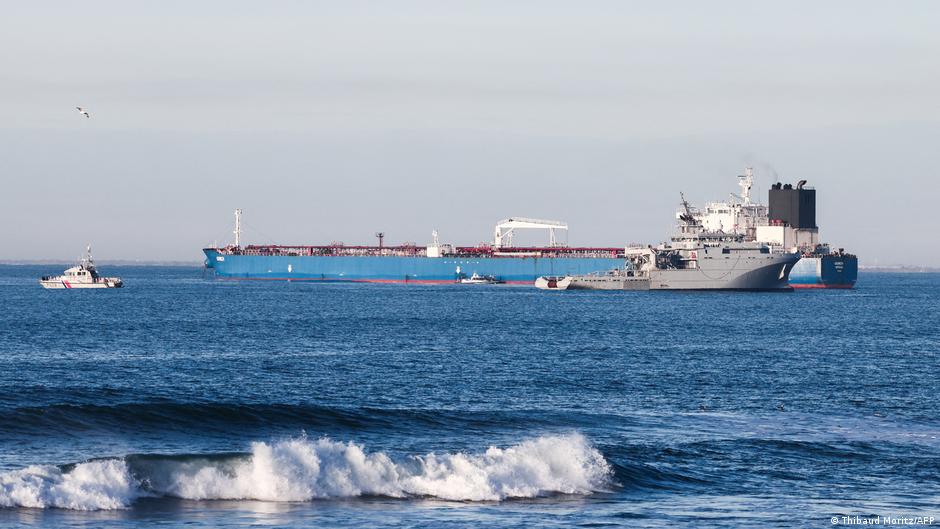
Gasoline Prices in Annexed Crimea Surge Nearly 80% Amid Russian Fuel Export Restrictions
Fuel costs in Crimea have nearly doubled in one week, highlighting Russian domestic supply challenges and potential impacts on US energy markets and companies.
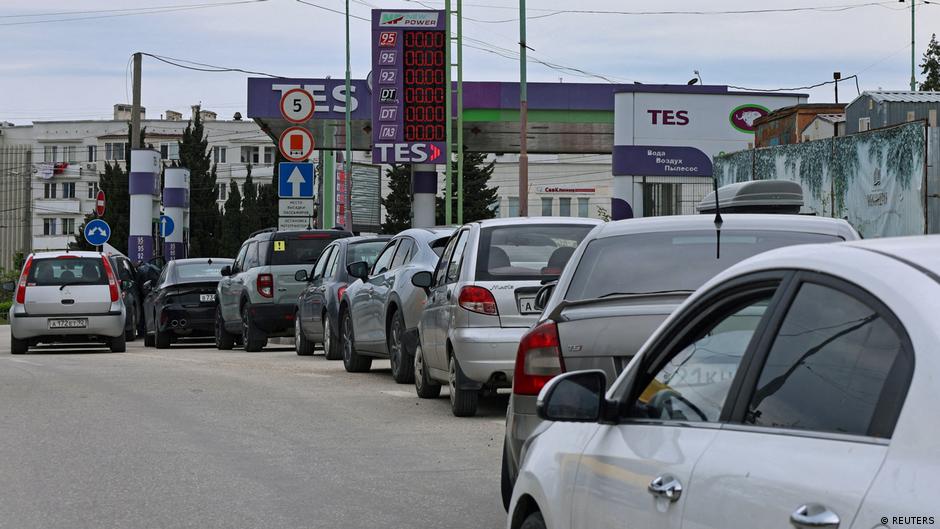
Gasoline prices in Russia-annexed Crimea have surged sharply, increasing by an average of 78.4% during the first week of July, according to a recent report on regional fuel prices. The most popular grade of gasoline, AI-95, nearly doubled in price from 88.82 rubles to 170.59 rubles per liter, a 92% jump. This rapid spike underscores deepening supply shortages in Russia amid ongoing geopolitical tensions and domestic fuel crises.
Domestic Supply Crunch and Export Controls
Russia’s fuel markets have been under severe strain due to increasing attacks on oil refineries and energy infrastructure by Ukrainian forces since late May. As a result, Russia is facing acute shortages of gasoline and diesel, prompting long lines at gas stations and closures of some outlets nationwide, including occupied regions such as Crimea.
"In order to stabilize the internal fuel market, Russia has imposed a ban on diesel exports by producers from July 8 to 31," announced Deputy Prime Minister Alexander Novak during a government meeting with President Vladimir Putin.
This export ban marks an escalation in Russia’s efforts to secure domestic fuel supplies amid the crisis. Previously, export restrictions since January 2026 exempted producers, but the new measures extend to them, halting diesel, marine fuel, and gasoil shipments abroad. The government also relaxed environmental standards by permitting the sale of "Euro-3" class fuels with higher sulfur content until the end of 2026, a move aimed at increasing available supplies but potentially raising environmental and health concerns.
Implications for US Energy and Business Interests
These developments carry significant implications for American businesses and policymakers. The sudden surge in fuel prices in Crimea and other Russian regions signals intensifying instability in the Russian energy sector. US energy companies with exposure to global oil markets may face volatility as Russian supply constraints influence global fuel prices and trading dynamics.
Moreover, Russia's increased reliance on imports from countries such as India, Kazakhstan, and Japan for refined petroleum products indicates a shift in global energy flows that could affect US strategic energy planning. For instance, India has already shipped nearly 60,000 tons of gasoline to Russia by sea, while Moscow readies purchases of Japanese aviation fuel through complex trading networks.
These supply chain adjustments could impact the pricing structures and availability of refined products in international markets, complicating efforts by US companies to navigate energy procurement and hedging strategies amid geopolitical uncertainty.
Broader Economic and Political Consequences
The fuel shortages and price hikes in Russia and occupied territories like Crimea also reflect broader economic stress that could influence Moscow’s political calculations. Prolonged domestic discomfort due to fuel scarcity may pressure the Kremlin internally, affecting its policy decisions related to the ongoing conflict in Ukraine and sanctions imposed by Western governments.
US policymakers should monitor how these energy market disruptions evolve, as they bear on Russia’s capacity to sustain its military efforts and economic resilience. Additionally, the export restrictions and altered trade relationships reinforce the intricate linkages between energy security and geopolitical strategy in the current global environment.
In summary, the nearly doubled gasoline prices in Crimea highlight the acute challenges facing Russia’s fuel supply chain, intensified by both physical attacks and governmental export controls. These strains resonate beyond Russia’s borders, creating ripple effects for American energy businesses and informing strategic calculations in Washington.