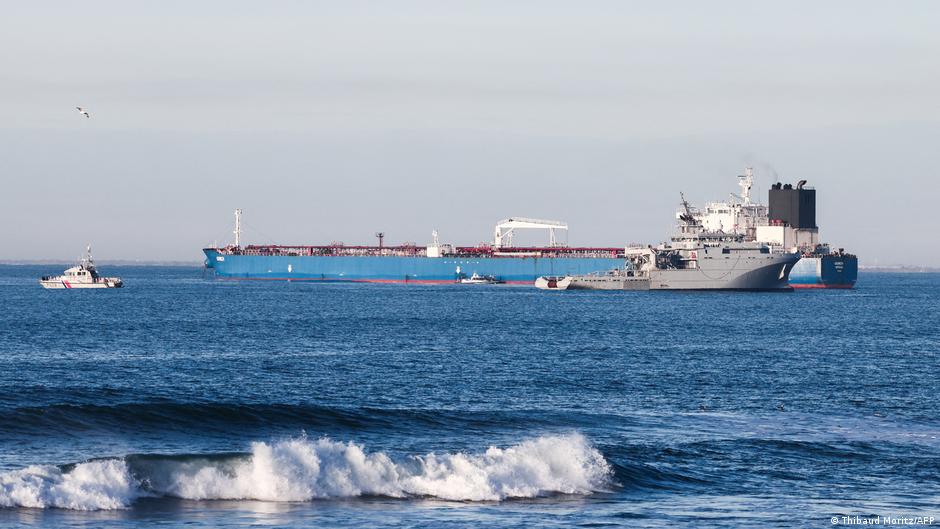
US Military Launches New Strikes on Iran Amid Rising Tensions in Strait of Hormuz
Washington intensifies military actions against Iran, targeting threats to shipping lanes in the strategic Strait of Hormuz.
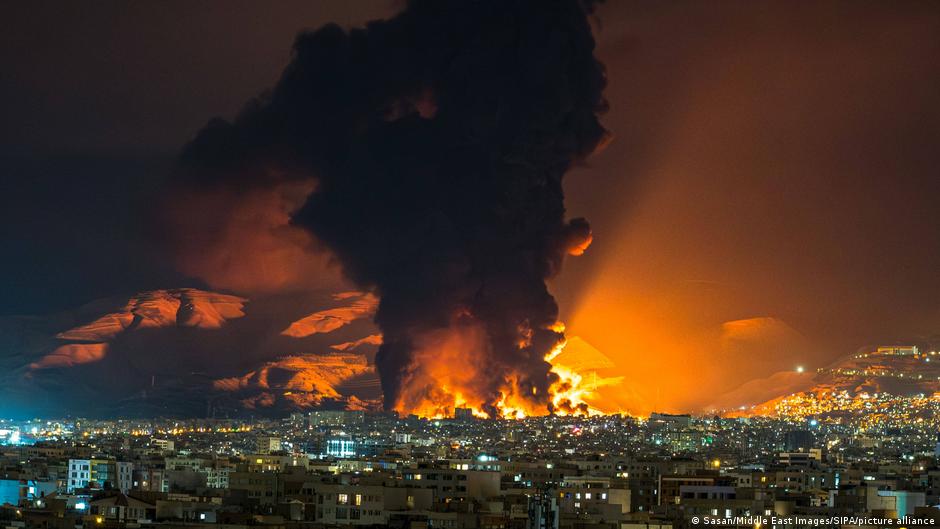
The United States Armed Forces have initiated a fresh wave of offensive operations against Iran, aimed at curbing Tehran's capacity to disrupt maritime navigation in the Strait of Hormuz. This strategic move, ordered personally by President Donald Trump, marks a significant escalation in tensions with potential ramifications for global energy markets and American business interests.
Details of the Military Strikes and Their Strategic Implications
According to the US Central Command (CENTCOM), the recent strikes targeted over 80 Iranian assets, including air defense systems, communication and control networks, coastal radar installations, anti-ship missile defenses, and more than 60 vessels belonging to the Islamic Revolutionary Guard Corps (IRGC) Navy. These actions were justified as responses to prior Iranian attacks on commercial vessels operating in the critical shipping corridor of the Strait of Hormuz.
“The aggression demonstrated by Iran was unprovoked, dangerous, and a clear violation of the ceasefire regime,” CENTCOM stated in a social media announcement.
Alongside the military offensive, the US government reinstated sanctions on Iranian oil exports, reversing a recent temporary lifting. This financial pressure compounds the operational risks faced by American energy companies dependent on stable oil supply chains traversing the Persian Gulf.
Iran condemned the US strikes as violations of the existing maritime navigation memorandum and vowed to safeguard its sovereignty and national interests. Iranian officials accused Washington of breaching the agreement with unilateral and aggressive measures, signaling a potential escalation cycle.
Iranian media reported retaliatory attacks on US military sites in Kuwait and Bahrain, claimed by the IRGC. These developments underscore the volatility of the region and highlight the risk of wider conflict affecting American military personnel and assets stationed in allied Gulf states.
Implications for US Businesses and Energy Markets
The Strait of Hormuz is a critical chokepoint through which a significant portion of the world’s oil supply is transported. Disruptions here have direct consequences for global oil prices and, by extension, US businesses reliant on energy stability. The recent strikes and accompanying geopolitical instability create uncertainty for shipping companies, insurers, and energy firms involved in the region’s supply chain.
Despite President Trump’s public dismissal of diplomatic engagement with Iran, allowing negotiators to continue talks suggests an ongoing, albeit tenuous, attempt to manage the conflict. However, the lack of progress on key issues such as Iran’s nuclear program, US troop withdrawals from neighboring countries, and maritime security arrangements raises concerns about prolonged instability.
Furthermore, Iran's refusal to permit comprehensive mine-clearing operations in the Strait restricts safe navigation to limited routes, impeding the volume of maritime trade and increasing operational costs for shipping lines and importers.
These developments present a complex challenge for US policymakers balancing military strategy with the economic interests of American companies. The escalation threatens to disrupt global trade flows, elevate insurance premiums for maritime operators, and inject volatility into energy markets critical to the US economy.
As Washington navigates this multifaceted crisis, the intersection of military action and economic stakes underscores the delicate balance required to safeguard American business interests while addressing security concerns in a strategically vital region.