Germany Announces Record €124.7 Billion Defense Spending in NATO Amid US Budget Scrutiny
Germany pledges unprecedented defense funding for 2026, challenging US criticisms and impacting transatlantic defense cooperation.
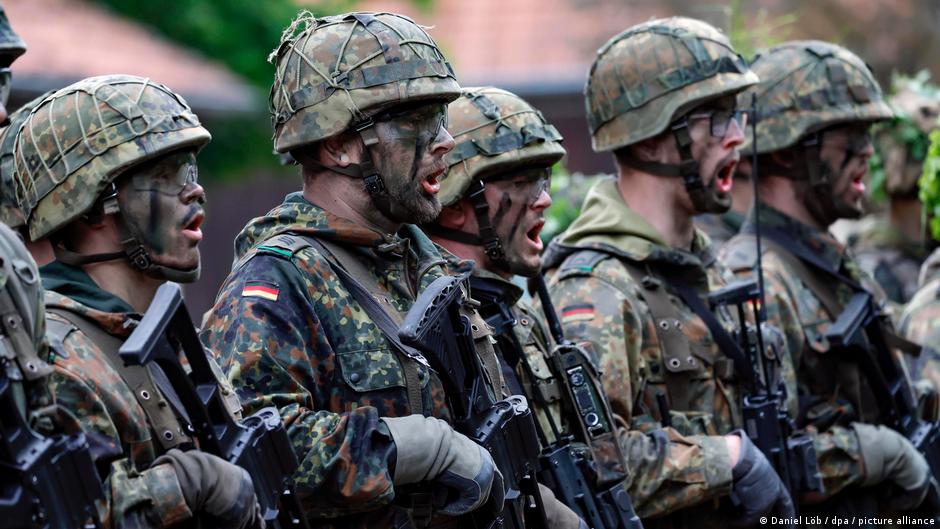
As NATO convenes in Ankara, Germany has disclosed a historic increase in its defense budget, projecting expenditures of €124.7 billion for 2026. This marks a 25.5% rise over 2025 figures, representing the largest annual increase in German defense spending within the alliance. Only the United States allocates more resources to defense within NATO.
Implications of Germany’s Defense Spending Surge
The announced budget reflects a strategic shift, with Germany’s defense spending reaching 2.69% of its GDP, up from 2.22% in 2025. The German government plans to finance this growth partially through issuing over €200 billion in government bonds in 2027, aiming to borrow more than €800 billion by 2030. These funds will primarily bolster Germany’s defense budget, expected to peak at €183.6 billion by 2030 — approximately one-third of the federal budget.
"European allies and Canada spent nearly 20% more on defense last year, an additional $139 billion," NATO Secretary General Jens Stoltenberg noted, emphasizing Europe's commitment to burden-sharing.
This escalation comes amid ongoing criticism from the United States, particularly during the previous administration, which labeled European defense investments as inadequate. Former President Donald Trump sharply criticized NATO allies, including Germany, for what he described as "laughable" defense spending levels during ongoing US-led military operations.
Germany’s increased defense commitment signifies a response to such critiques and a push towards a stronger transatlantic alliance. Despite these advances, European NATO members and Canada combined still spend significantly less than the US, which is projected to invest approximately $850.2 billion (about €745 billion) in defense in 2026 — outpacing all other NATO partners combined (€556 billion).
This spending disparity underscores the dominant role of the United States in global defense, with Germany ranking fourth worldwide behind the US, China, and Russia.
Broader NATO Spending Trends and US Interests
The NATO alliance has set progressive targets for defense expenditure. At the 2022 summit in The Hague, member states agreed to raise defense spending to at least 3.5% of GDP by 2035, with an additional 1.5% on defense-related items. Current data indicates that five NATO countries—Greece, Poland, Latvia, Lithuania, and Estonia—are expected to exceed 5% of GDP on defense spending in 2026.
However, some European nations, including Belgium, Spain, and the Czech Republic, are projected to maintain defense budgets at only 2% of GDP, while Slovenia is expected to fall below the 2% threshold altogether, missing the NATO guideline established in 2014.
From a Washington perspective, Germany’s significant increase in defense spending may mitigate some longstanding US concerns regarding European burden-sharing in NATO. For American policymakers and defense contractors, increased European military investment represents potential for deeper transatlantic cooperation and expanded opportunities for US defense exports.
Nonetheless, the persistent gap between US and European defense spending continues to shape NATO’s strategic dynamics and US expectations. The US remains the primary military power within the alliance, with the capability to influence NATO’s operational posture and priorities.
Germany’s borrowing plans and budget increases also highlight potential market impacts, including demands on capital markets and implications for international investors focused on government bonds and defense sector equities.
As NATO members strive to meet evolving defense commitments, the interplay between US leadership, European funding increases, and geopolitical challenges remains central to the alliance’s future cohesion and effectiveness.