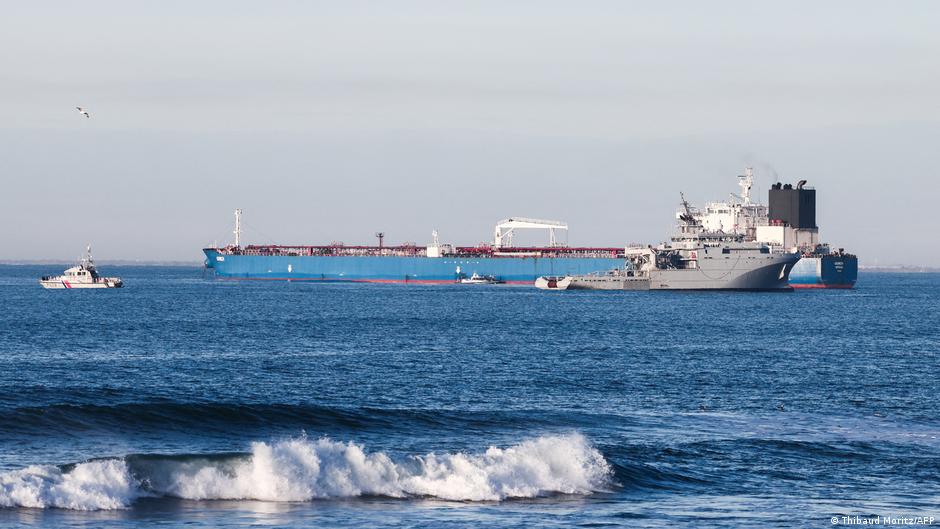
US Military Strikes Iran Amidst Rising Tensions and Renewed Sanctions Impacting Global Trade
Washington’s recent strikes on Iranian targets respond to attacks on commercial vessels, raising stakes for American business and geopolitical stability.
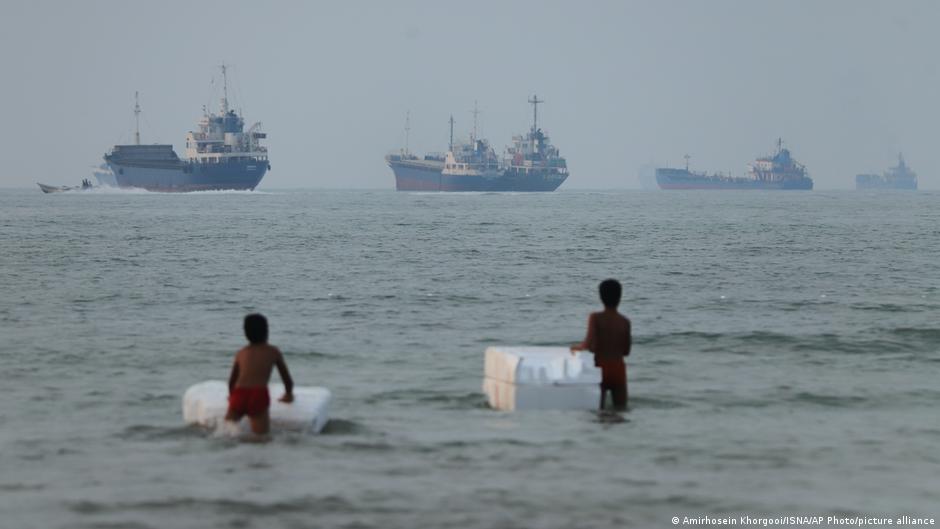
The United States military conducted significant strikes against Iranian targets following attacks on three commercial vessels in the strategically critical Strait of Hormuz. This escalation reflects growing tensions with Tehran and carries substantial implications for US business interests reliant on stability in the region.
Background and Details of the US Military Response
The US Central Command (CENTCOM) announced that the strikes were aimed at inflicting substantial damage on Iran’s capabilities. According to CENTCOM, the attacks targeted Iranian air defense systems, command and control networks, coastal radar installations, anti-ship missile defenses, and over 60 boats operated by the Islamic Revolutionary Guard Corps (IRGC).
The strikes represent Washington’s response to Iranian attacks on three tankers navigating the Strait of Hormuz, a crucial maritime chokepoint for global oil shipments. One vessel was reportedly hit by a drone causing minor damage, while a Qatari liquefied natural gas tanker, the Al-Rekajat, sustained serious damage from an unknown projectile. Details about the third vessel remain unclear.
These developments come shortly after the US reinstated sanctions on Iranian oil exports, reversing a recent temporary easing. The sanctions, along with military action, underscore Washington’s strategy to pressure Tehran economically and militarily.
"The aggression demonstrated by Iran was unjustified, dangerous, and a clear violation of the ceasefire regime," CENTCOM said in a statement on social media platform X.
Implications for US Businesses and Global Trade
The Strait of Hormuz remains a vital artery for the global energy market, through which roughly one-fifth of the world's petroleum passes. Any disruption or escalation in the area threatens to destabilize energy prices and supply chains critical to US industries and consumers.
American companies involved in international shipping, energy, and insurance sectors face increased risks and costs due to heightened military activity and geopolitical uncertainty. The prospect of a multinational maritime security mission proposed by France and the UK, involving NATO and Gulf states, seeks to safeguard commercial shipping but also signals the complexity of securing trade routes amidst regional disputes.
The ongoing US-Iran tensions also risk complicating diplomatic efforts surrounding Iran’s nuclear program and regional military presence, factors that heavily influence market confidence and business planning.
Diplomatic Stalemate and Future Outlook
Despite efforts to negotiate, progress remains stalled. Iran’s deputy foreign minister condemned the US strikes and sanctions as serious violations of agreements and vowed to protect national interests. Meanwhile, Washington insists on either securing a comprehensive deal or escalating pressure.
The situation leaves American stakeholders navigating a precarious balance between asserting geopolitical objectives and managing the economic fallout from conflict-induced instability in a key global trade corridor.