Russian Night Strikes on Ukraine Impact Kyiv and Kharkiv Amid Escalating Conflict
Russian missile and drone attacks cause casualties and damage in Kyiv and Kharkiv, raising concerns over ongoing instability affecting US business interests.
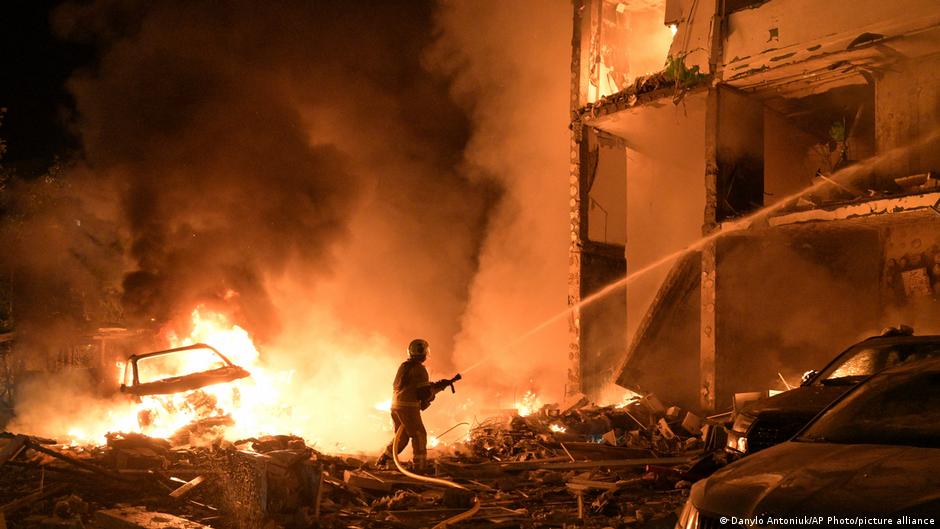
In the early hours of July 8, Russian forces launched a series of combined missile and drone attacks targeting multiple Ukrainian regions, notably Kyiv and Kharkiv. The strikes resulted in explosions, fires, and injuries amid escalating hostilities that could have implications for international economic stability and American businesses operating in or connected to Ukraine.
Details of the Attacks and Immediate Impact
Local authorities in both Kyiv and Kharkiv reported multiple missile hits and drone incursions. Kyiv’s mayor, Vitali Klitschko, confirmed that two individuals were injured during the attacks, with one hospitalized due to rocket strikes that also ignited fires in warehouse facilities and non-residential buildings across the city districts of Desnianskyi and Sviatoshynskyi. Additionally, Kyiv's military administration reported enemy strike drones approaching the capital’s outskirts, underscoring the ongoing threat to urban centers.
Kharkiv’s mayor, Ihor Terekhov, highlighted significant damage to over 20 private homes, the shattering of windows in a local church, disruptions to street lighting, and damage to at least five vehicles. The missile attack struck the Nemishlyanskyi district in the eastern part of the city, intensifying concerns about civilian safety and infrastructure resilience.
The Ukrainian Air Forces confirmed the launch of multiple ballistic missiles toward Kyiv from northern directions, reflecting a sustained escalation in offensive operations. Nighttime attacks reportedly extended across central and eastern Ukrainian regions, signaling a broadening geographical scope of the conflict.
Implications for Washington and US Business Interests
“The continuation of missile strikes on critical urban hubs in Ukraine underscores the fragility of regional stability, directly affecting American companies with exposure to Eastern European markets.”
These developments bear significant weight for policymakers and business leaders in Washington. As the security situation deteriorates, American companies with supply chains, investments, or partnerships involving Ukraine or neighboring countries face increased operational risks. The attacks threaten not only physical assets but also the continuity of critical infrastructure and economic activities in a region that serves as a strategic transit corridor for energy and commodities.
Moreover, heightened instability could prompt further sanctions or military aid decisions by the US government, impacting the broader geopolitical climate and trade relations. Businesses must stay vigilant regarding shifting security dynamics and potential disruptions to market access and logistics.
Washington’s response to ongoing Russian military operations in Ukraine will likely influence diplomatic engagements and economic policies, with ramifications for US corporate interests across sectors including defense, energy, agriculture, and technology.