Trump Signals Removal of Syria From Terrorism Sponsors List Amid Investment Promises
US President Donald Trump pledges to delist Syria as a state sponsor of terrorism, opening doors for American business investments and geopolitical shifts.
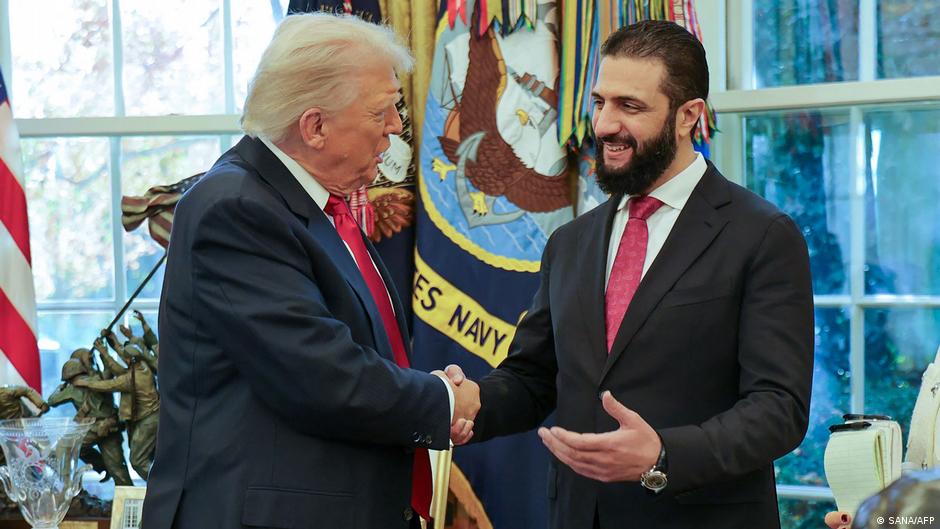
In a strategic move with significant implications for US business and foreign policy, President Donald Trump has pledged to remove Syria from the US list of state sponsors of terrorism. This announcement came through a letter addressed to Syria's interim president, Ahmed al-Sharaa, signaling a thaw in relations and potential new opportunities for American companies.
Economic and Political Impact for US Interests
The letter, disclosed shortly after a personal meeting between Trump and al-Sharaa at the NATO summit in Ankara, highlighted the readiness of American companies to invest in Syria’s reconstruction and development. "We have American businesses ready to invest in Syria and help make your country greater and more prosperous than ever before," the letter stated, underscoring the administration’s intent to foster economic ties.
This policy shift could mark a substantial change in Washington’s approach, as Syria's designation as a state sponsor of terrorism has long imposed strict restrictions on US foreign aid, arms exports, and financial transactions involving the country. Lifting these sanctions is expected to unlock investment flows, not only from the United States but also from allied Gulf countries, several of which have already expressed interest in funding Syria’s post-conflict rebuilding efforts.
For US companies, the move opens a new frontier in the Middle East, potentially allowing access to Syria’s natural resources and infrastructure projects. However, navigating the complex political landscape and ensuring compliance with remaining legal frameworks will be critical challenges.
"Removing Syria from the list of state sponsors of terrorism paves the way for economic reintegration and new business opportunities for American firms," a senior US trade analyst commented.
Following Trump's earlier signing of an executive order lifting sanctions and his directive to Secretary of State Mark Rubio to review Syria’s status, the administration appears focused on leveraging economic tools to influence the region’s stability and counter extremist threats.
Geopolitical Context and US Military Withdrawals
The formal meeting between Trump and al-Sharaa in Riyadh in May 2025 marked the first high-level encounter between US and Syrian leaders in over two decades, symbolizing a historic pivot in bilateral relations last seen during Bill Clinton’s presidency. This diplomatic engagement coincided with the complete withdrawal of US troops from Syrian territory, a move officially acknowledged by the Syrian Ministry of Foreign Affairs in April 2026.
US Central Command representatives confirmed that although troops have left Syrian bases, counterterrorism operations led by US partners in the region will continue to combat remnants of the Islamic State and maintain regional security. This cautious military posture aligns with the administration’s broader strategy to reduce direct US involvement on the ground while preserving counterterrorism capabilities.
For Washington, the recalibration of Syria policy is a balancing act between promoting stability through economic engagement and managing risks associated with the legacy of terrorism and regional rivalries. The unfolding developments will be closely watched by American businesses eyeing new market opportunities as well as policymakers assessing the broader implications for US influence in the Middle East.