Germany Urges Turkey to Exclude Russian Gas in EU Energy Deals Amid Geopolitical Tensions
Berlin insists that future Turkish gas contracts with the EU avoid Russian supply, reflecting Washington and Brussels’ coordinated stance on energy and security.
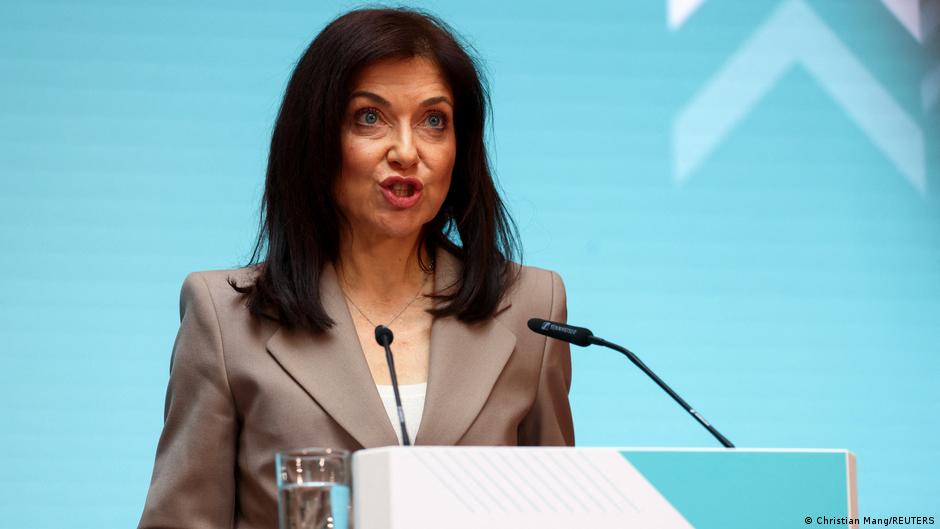
During a two-day visit to Ankara, Germany’s Federal Minister for Economic Affairs, Katherina Reiche, emphasized that the European Union will insist on gas supplies excluding Russian sources in any future energy agreements involving Turkey. This position highlights the ongoing strategic efforts by Western allies to reduce energy reliance on Russia amid escalating geopolitical conflicts.
Implications for Turkish Energy Deals and U.S.-EU Coordination
Minister Reiche, accompanied by a German business delegation, made clear that Brussels expects Turkey to align with the EU’s demand that gas delivered under future contracts not originate from Russia. The announcement came as Reiche met with Turkey’s Energy Minister Alparslan Bayraktar, underlining the importance of Ankara as a stable trade partner crucial for achieving broader political objectives shared by the EU and the United States.
“We need Turkey as a reliable trade partner as well as for achieving common political goals,” Reiche stated, noting Turkey’s role as the EU’s fifth-largest trading partner with nearly balanced trade relations.
Turkey currently ranks as the second-largest buyer of Russian gas, with existing contracts nearing expiration. Meanwhile, Ankara is negotiating new deals with Moscow while simultaneously seeking to establish itself as a regional gas hub. This dual approach creates a complex scenario for Washington and Brussels, who are pushing for a strategic decoupling from Russian energy sources.
The EU’s firm stance reflects not only economic concerns but also geopolitical calculations, considering Russia’s ongoing military actions in Ukraine and the wider conflict dynamics involving the United States, Israel, and Iran. The coordinated Western pressure on energy supply chains aims to curtail Moscow’s leverage while encouraging diversification of energy imports.
Turkey’s Energy Transition Challenges and U.S. Business Outlook
Minister Reiche acknowledged Turkey’s recognition of the EU’s determination to sever energy dependency on Russia but highlighted Ankara’s challenges in quickly replacing Russian gas imports. Economically and resource-wise, the transition cannot occur instantaneously, as Turkish officials conveyed during talks.
Additionally, the shift is reflected in Turkey’s broader energy sourcing strategies, with Turkish refineries reportedly increasing oil purchases from Iraq and Kazakhstan. This realignment follows sanctions imposed by the United States, the EU, and the United Kingdom on Russia’s oil sector, aiming to restrict Moscow’s revenue streams sustaining its military operations.
For American businesses, this evolving energy landscape in Turkey and the EU presents both risks and opportunities. Companies involved in energy infrastructure, alternative fuels, and supply chain diversification may find growing demand as Western allies push for new partnerships. Conversely, firms dependent on stable Russian energy flows face potential disruptions.
Washington’s diplomatic and economic coordination with Brussels over Turkey’s energy deals underscores the strategic priority to limit Russian influence through energy channels. The gradual pivot away from Russian gas not only supports geopolitical objectives but also signals shifts in global energy markets that American investors and policymakers must monitor closely.