Greece Massively Rejects Russian Schengen Visa Applications, Impacting Travel and US Business Interests
Greece has sharply increased visa refusals for Russian applicants, complicating travel and raising concerns for American companies relying on European tourism flows.
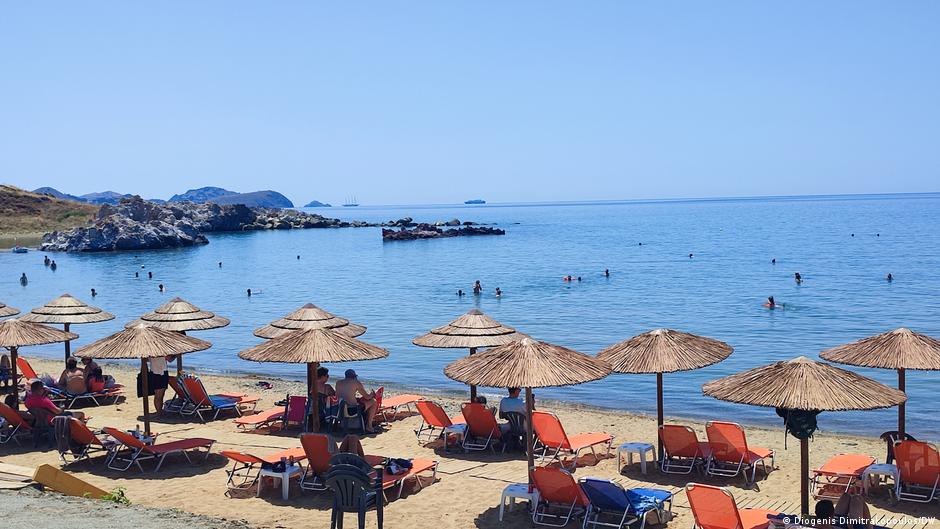
In a significant shift affecting travel between Russia and Europe, Greece has begun denying Schengen visas to Russian citizens at unprecedented rates. According to the Russian Association of Tour Operators (ATOR), some Russian tour operators have faced visa refusal rates as high as 50%, while independent travelers are experiencing rejection rates nearing 70% during the peak travel season.
This surge in visa denials comes despite fully paid trips and confirmed accommodations provided by Greek hosts. One notable case involved a Russian applicant with property ownership in Moscow and impeccable banking documents who was nonetheless denied a visa twice.
Implications for US Companies and Washington Policy
For American businesses with interests in European tourism, travel, and market access, these developments carry multiple ramifications. The tightening of Greek visa issuance to Russians coincides with broader EU measures, including the European Commission's November 2025 ban on issuing multiple-entry visas to Russian nationals, citing security risks related to the ongoing conflict in Ukraine.
"The increased refusals are unprecedented and cause uncertainty for international travel and commerce," said a spokesperson for a Russian travel company.
While Russia’s total Schengen visa issuance rose by 10% in 2025 to over 620,000 visas, the share of multiple-entry visas plummeted from 57% to 12% in just two months after the EU’s policy change. This forces Russian travelers to apply for visas more frequently, increasing administrative burdens and reducing travel flexibility.
Nearly 75% of Schengen visa applications from Russians are to France, Italy, and Spain, which collectively issue 68% of all visas to Russian citizens. Greece, however, appears to be diverging sharply from this trend, heavily restricting access despite its historical role as a popular destination for Russians.
For US companies involved in sectors such as airlines, hospitality, and luxury goods that depend on smooth travel flows and high-spending tourists from Russia, this presents a challenging environment. Reduced access to key European markets via Greece could shrink tourism-related revenues and complicate logistical arrangements.
From a Washington perspective, the visa restrictions reflect the EU’s alignment with US-led sanctions and security policies related to Russia’s actions in Ukraine. This harmonization underscores the geopolitical dimension of visa policies and foreshadows further potential restrictions affecting transatlantic business activities.
American policymakers and companies monitoring these developments should consider the broader impact on supply chains, international partnerships, and market access, particularly as Europe recalibrates travel regulations amid ongoing geopolitical tensions.