Income Inequality in Germany Worsens Amid Rising CEO Pay and Inflation, Oxfam Reports
Surging CEO salaries in German firms contrast with stagnant wages for workers, raising concerns for US businesses reliant on German economic stability.
Income inequality in Germany continues to widen sharply, with CEO compensation climbing dramatically while average workers’ real wages remain below pre-pandemic levels, according to a recent analysis by Oxfam. This growing disparity presents potential ripple effects for American companies engaged with German markets and the broader European economy.
CEO Pay Surges While Workers Struggle
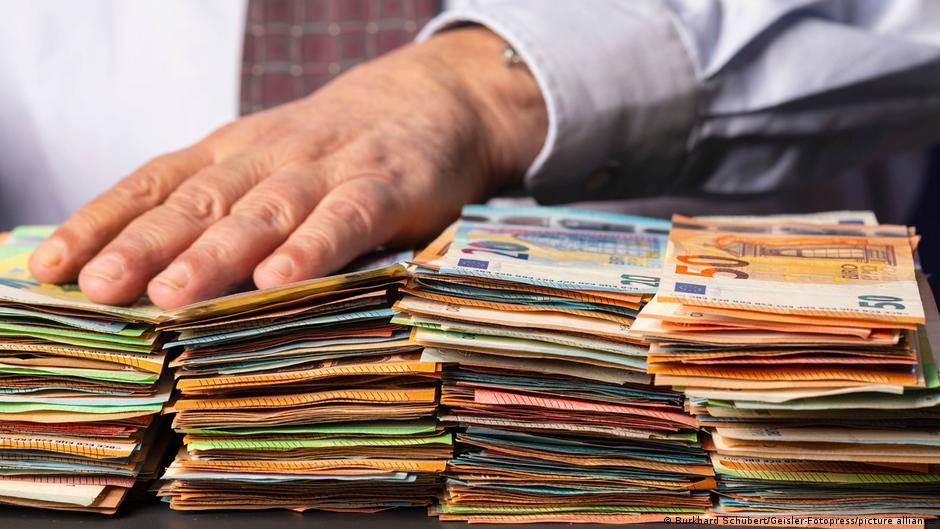
Oxfam’s analysis reveals that since 2019, the salaries of 25 CEOs from Germany’s DAX 40 index companies have increased by an astonishing 56%, rising from an average of €4.5 million to nearly €7 million. In contrast, adjusted for inflation, wages for ordinary German employees have yet to recover to 2019 levels and have effectively declined by 12% globally since the pandemic began.
“This growing inequality poses a threat to our democracy,” Oxfam emphasized, highlighting the stark disconnect between executive pay and workers’ living standards.
Globally, CEO pay grew by 54% from 2019 to 2025, adjusted for inflation, reaching an average of $8.4 million—an amount that would take an average employee 490 years to earn. Meanwhile, workers face rising costs of living, compounded by inflationary pressures on essentials such as energy, housing, and food.
For US companies with operations or partnerships in Germany, these trends signal potential challenges. Consumer demand could be dampened by reduced purchasing power among the broader population, while growing social tensions may lead to policy shifts impacting business operations.
Implications for US Businesses and Policy Considerations
The disparity in income growth raises concerns about social stability in Germany, Europe’s largest economy and a critical hub for American multinational corporations. Oxfam recommends that Berlin take aggressive steps to counteract inequality, including raising taxes on the ultra-wealthy and instituting a minimum wage of at least €15 per hour.
"Rising inequality and stagnant wages could undermine consumer confidence and disrupt supply chains," said economic analysts tracking transatlantic trade. Such developments warrant close attention from US policymakers and business leaders who rely on Germany’s economic health.
Additionally, Oxfam highlights that nearly 1,000 billionaires worldwide, including many in Germany, received $79 billion in dividends in 2025 alone, often paying lower tax rates than average workers. This wealth concentration could provoke calls for regulatory reforms that American investors and firms should monitor carefully.
Compounding these economic pressures are geopolitical risks affecting Germany’s economy. The Munich-based ifo Institute forecasts that the ongoing US and Israeli conflict with Iran could subtract at least 0.2 percentage points from German growth due to disrupted supply chains and increased energy costs.
German shipping companies, for example, must circumvent the Persian Gulf, leading to longer and costlier transit times. This disruption adds to inflationary pressures, further squeezing households and potentially dampening international trade flows critical to US-German commercial ties.
Looking Ahead
As Germany grapples with soaring executive pay disparity and inflation-driven wage stagnation, American businesses should brace for potential impacts on consumer markets, labor relations, and regulatory environments. The situation underscores the interconnectedness of global economic health and the importance of monitoring income inequality trends beyond US borders.