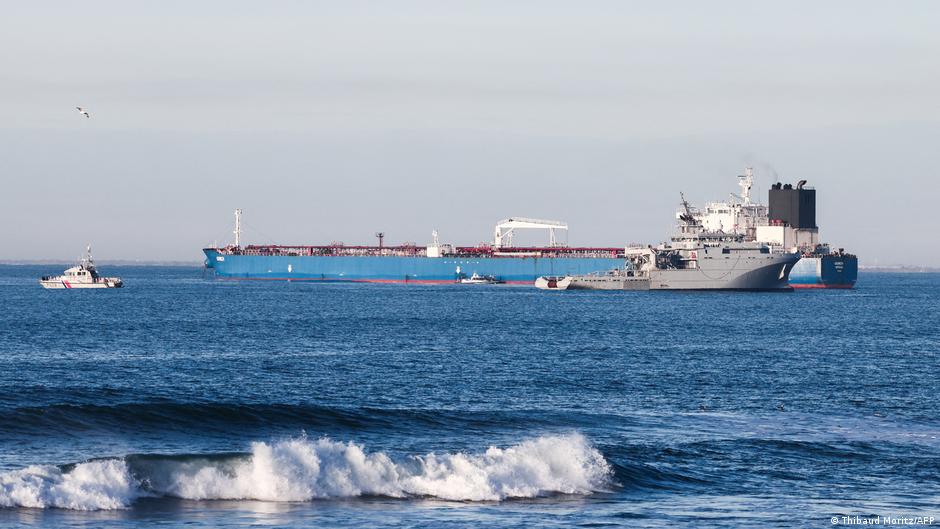
Italy and Germany Concerned Over Israeli Interception of Gaza Aid Fleet, Raising Washington's Diplomatic Stakes
European calls for adherence to international law highlight challenges for US-led peace initiatives and affect American business interests in the region.
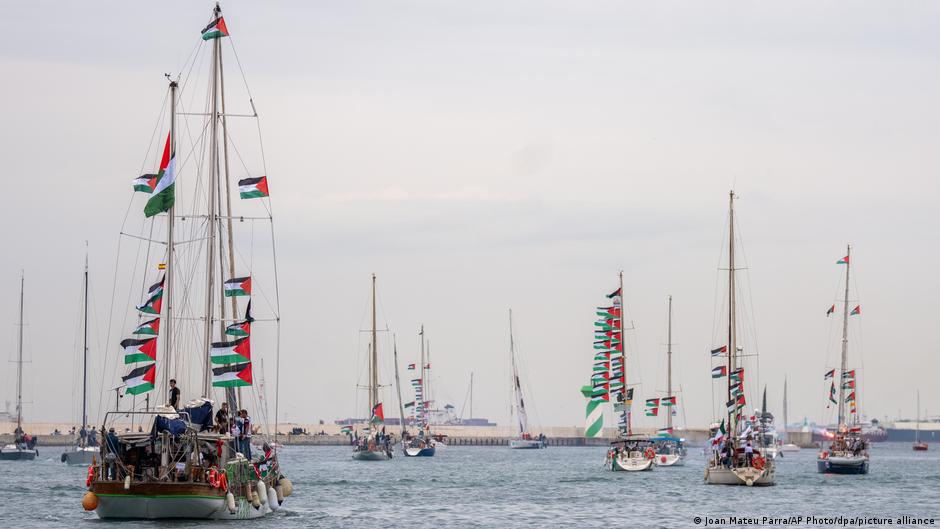
Italy and Germany have issued a joint statement expressing serious concern over Israel's interception of a humanitarian aid flotilla destined for the Gaza Strip, underscoring the complexities facing international efforts to deliver assistance in the volatile region. The incident, which took place in international waters near Greece, has significant implications for US diplomacy and American companies involved in Middle East markets.
International Law and Diplomatic Pressures on Israel
On April 30, the foreign ministries of Italy and Germany released a joint declaration urging all parties to strictly adhere to existing international law and avoid irresponsible actions. The statement emphasized their commitment to humanitarian aid efforts consistent with international norms and standards. This diplomatic pressure comes amid ongoing tensions surrounding Israel’s maritime blockade of Gaza, which has been in place since 2007 and is also supported by Egypt.
"We urge the full observance of applicable international law and a rejection of reckless actions," the statement said, reflecting European concerns over the blockade’s humanitarian impact.
The Israeli navy intercepted more than 20 vessels from the Global Sumud Flotilla west of the Greek island of Crete, detaining dozens of activists involved in the aid mission. Some vessels were later allowed to proceed along Greek territorial waters, but the flotilla organizers have yet to announce subsequent plans. This represents one of the largest attempts to breach the blockade, as the flotilla departed from a Sicilian port on April 26 with the aim of delivering aid and advocating for a permanent humanitarian corridor to Gaza.
Implications for US Policy and Business Interests
The flotilla’s activities and the Israeli response come at a critical juncture for US foreign policy in the region. The 2025 cease-fire agreement brokered under a US-backed peace plan between Israel and Hamas—supported by Turkey, Qatar, and Egypt—relies heavily on maintaining stability and facilitating humanitarian access. The White House announced the initiation of the plan's second phase in January, which involves the formation of a National Committee to govern Gaza until the Palestinian National Authority is ready to assume control.
For American companies, the ongoing instability and international disputes over aid delivery create a challenging environment. Firms operating in sectors such as logistics, infrastructure aid, and technology face uncertainty tied to geopolitical tensions and the enforcement of maritime blockades. Additionally, US diplomatic efforts to sustain the cease-fire and humanitarian flow are essential to stabilizing the region, which in turn affects investor confidence and business operations.
Notably, the flotilla’s prominence is amplified by participation from global activists including Swedish climate campaigner Greta Thunberg, who confirmed her involvement in a similar aid mission in 2025. The heightened international visibility puts additional pressure on Washington to balance its diplomatic commitments with Israel and broader regional stability goals.
As Italy and Germany publicly call for restraint and adherence to international law, the Biden administration faces the complex task of navigating these European concerns alongside Israel’s security imperatives and humanitarian needs. The outcome of this diplomatic balancing act will have direct consequences for US influence in the Middle East and for American businesses invested in the region’s future.