Iran Submits 14-Point Peace Plan to US Amid Ongoing Middle East Conflict
Tehran outlines key demands including troop withdrawal and sanctions relief as Washington evaluates the proposal amid tensions.
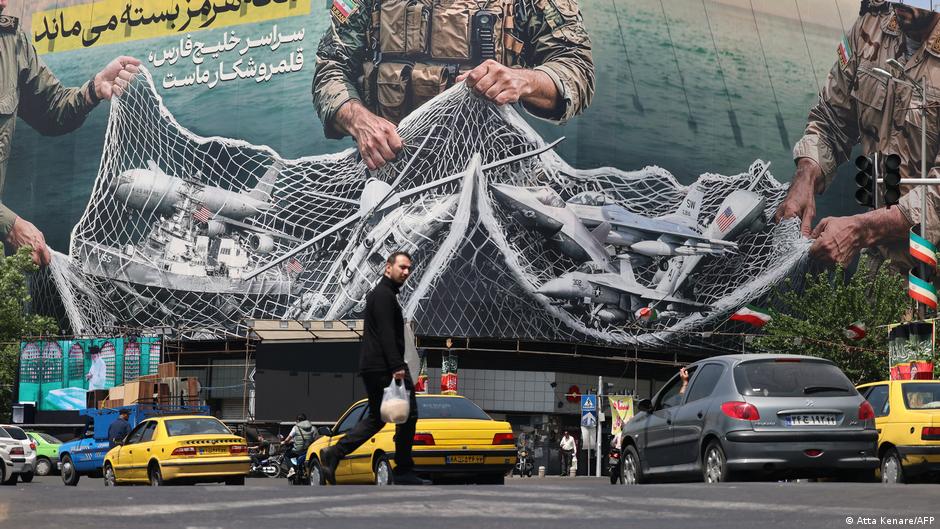
Iran has presented the United States with a detailed 14-point peace proposal aimed at ending the ongoing military conflict in the Middle East. The plan outlines Tehran's primary conditions for a resolution, signaling a critical moment for US foreign policy and economic interests in the region.
Key Demands and Washington's Response
The Iranian government sent the comprehensive document to Washington as a counter to a previous US nine-point proposal, which called for a two-month ceasefire. Tehran insists on resolving all outstanding issues within a month, emphasizing that the focus should be on ending the war rather than merely extending a truce.
The main elements of Iran's peace plan include guarantees from the US against further attacks, a full withdrawal of American troops from border areas, lifting the naval blockade, and unfreezing Iranian assets. Furthermore, Iran demands reparations for damages caused by the conflict, the removal of sanctions, cessation of hostilities in the entire region—including Israeli strikes on Lebanon—and the establishment of a new operational mechanism for the strategically vital Strait of Hormuz.
Iranian state media describe the proposal as a direct response to US actions and previous offers, illustrating Tehran's firm stance on negotiating terms that address both military and economic pressures.
"The emphasis should not be on prolonging the ceasefire but on ending the war," the Iranian proposal states, underscoring the urgency of a comprehensive settlement.
US President Donald Trump publicly acknowledged the receipt of the new proposal on May 3, expressing skepticism about its acceptability. He highlighted Iran's failure to pay a sufficiently high price for its actions over the past 47 years, signaling potential difficulties in reaching a mutual agreement.
Implications for US Business and Strategic Interests
The conflict, which erupted on February 28 following US and Israeli strikes on Iranian territory, has severely impacted regional stability and global energy markets. Tehran retaliated with attacks targeting Israel, Gulf states, and US positions, complicating efforts to deescalate tensions.
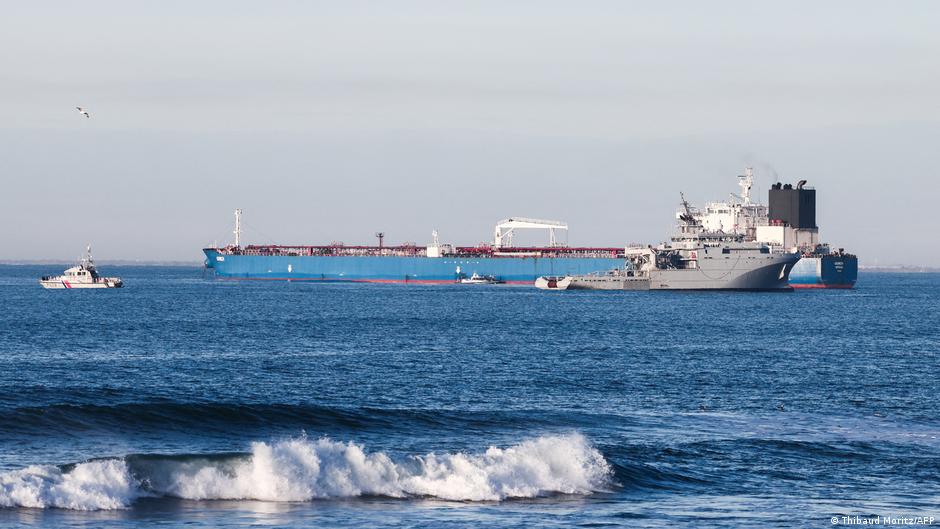
While a ceasefire took effect in early April, diplomatic efforts to resolve the conflict have stalled, with a lone round of talks in Pakistan ending without progress. The Strait of Hormuz, through which a significant portion of the world's oil supply transits, remains effectively blocked by Iranian forces, while the US continues its naval blockade of Iranian ports.
From a Washington perspective, the ongoing military engagement poses significant risks to American companies involved in energy, shipping, and defense sectors. The prospect of a prolonged blockade threatens to disrupt global oil supply chains, potentially driving up energy prices and impacting US economic interests domestically and abroad.
President Trump has officially declared the cessation of military actions as of May 1, after the 60-day constitutional limit for hostilities expired without Congressional extension. However, he acknowledged that the threat from Iran remains substantial, emphasizing continued US efforts to secure lasting peace.
Reports indicate that Trump has also ordered preparations for an extended maritime blockade aimed at further crippling Iran's economy by restricting its oil exports. Such measures could escalate tensions, with possible repercussions for global markets and US companies reliant on stable energy supplies.
As Washington evaluates Tehran's 14-point peace plan, US political and business leaders face complex decisions balancing diplomatic engagement, military strategy, and economic consequences. The outcome will shape not only the trajectory of Middle East peace prospects but also the operational environment for American enterprises in a volatile region.