Trump Announces Major Reduction of US Military Presence in Germany Amid NATO Tensions
The US plans to cut troop levels in Germany beyond prior estimates, signaling shifts in military strategy with implications for American businesses and alliances.
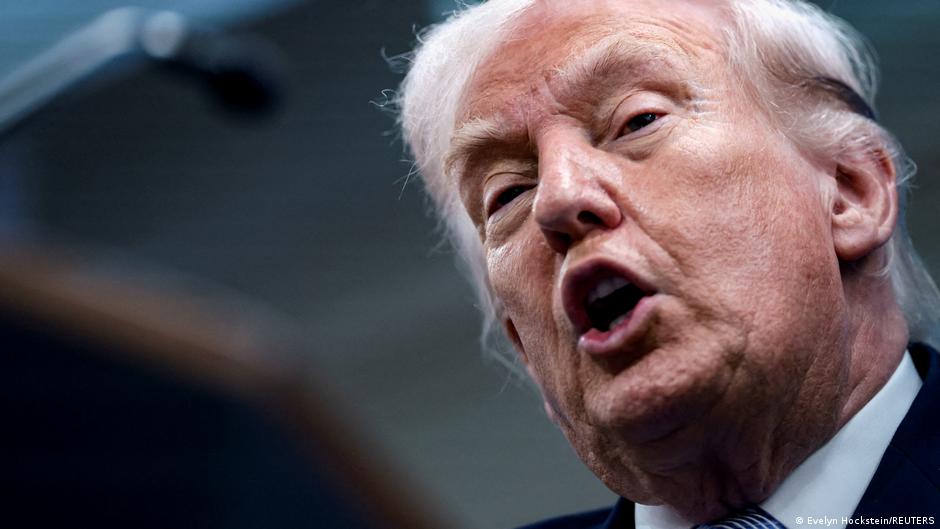
In a significant development affecting US military strategy and transatlantic relations, President Donald Trump declared intentions to substantially reduce the number of American troops stationed in Germany – far exceeding earlier announced figures.
Previously, the Department of Defense ordered the withdrawal of approximately 5,000 soldiers from Germany, representing roughly one-seventh of the US military presence in the country. However, on the night of May 3, Trump told reporters in Florida that troop reductions would be "much greater," without specifying exact numbers beyond "much more than 5,000." This announcement suggests a major shift in US force posture in Europe, raising concerns about the impact on NATO cohesion and American defense contractors reliant on overseas base operations.
Strategic and Political Context
Beyond Germany, President Trump threatened to pull troops from Spain and Italy, criticizing these NATO allies for their perceived lack of support in the ongoing US-Israeli conflict with Iran. "Italy didn’t help us at all, and Spain was terrible, absolutely terrible," Trump said, highlighting frustrations that could further strain transatlantic military cooperation.
Allison Hart, NATO's spokesperson, responded on May 2 by affirming that the alliance is working closely with Washington to understand the details of the troop reductions. She emphasized NATO's continued commitment to deterrence and defense amid this strategic transition. "We remain confident in our ability to provide deterrence and defense as we transition to a stronger Europe within a stronger NATO," Hart stated via social media.
Defense Secretary Pete Hegseth earlier authorized the withdrawal of around 5,000 US troops from Germany over the next year, with Pentagon spokesman Sean Parnell noting the decision followed "a thorough review of Department of Defense troop presence in Europe." Parnell estimated the drawdown would be completed within six to twelve months.
Currently, approximately 68,000 US military personnel are stationed across Europe, with more than half—around 36,400—based in Germany. The US maintains some 20 military facilities predominantly in southern and southwestern Germany. This marks a substantial decrease from Cold War levels when around 250,000 troops were deployed in West Germany.
"We will reduce troop numbers significantly, much more than 5,000 soldiers," President Trump said, signaling a major military realignment in Europe.
The announcement follows a recent public exchange between German Chancellor Friedrich Merz and President Trump, with Merz criticizing the US for lacking a clear strategy in the conflict with Iran. Trump retorted by accusing the German leader of supporting Iran's nuclear program, underscoring growing diplomatic tensions.
Implications for US Businesses and NATO
The proposed troop reductions carry important implications for American businesses, particularly defense contractors and logistics firms that depend on US military overseas deployments. Reduced troop presence could mean a decline in equipment contracts, base operations, and support services in Germany and Europe.
Furthermore, the shifts could affect US political influence within NATO and complicate efforts to maintain a united front against strategic competitors. Congressional oversight remains a factor, as lawmakers have imposed restrictions that limit the President’s authority to unilaterally adjust troop deployments in Europe.
While this is not the first time President Trump has threatened to cut forces in Germany—similar proposals were raised during his first term—the current geopolitical context and expanded scale suggest renewed focus on recalibrating America’s military footprint overseas.
For US policymakers and businesses, the evolving situation demands close attention to both the strategic rationale behind troop withdrawals and the downstream effects on transatlantic partnerships, defense spending, and regional security dynamics.