Pentagon Orders Withdrawal of 5,000 U.S. Troops from Germany Amid Strategic Review
The U.S. Department of Defense plans to reduce troop presence in Germany by 5,000 soldiers within a year following a comprehensive military posture assessment.
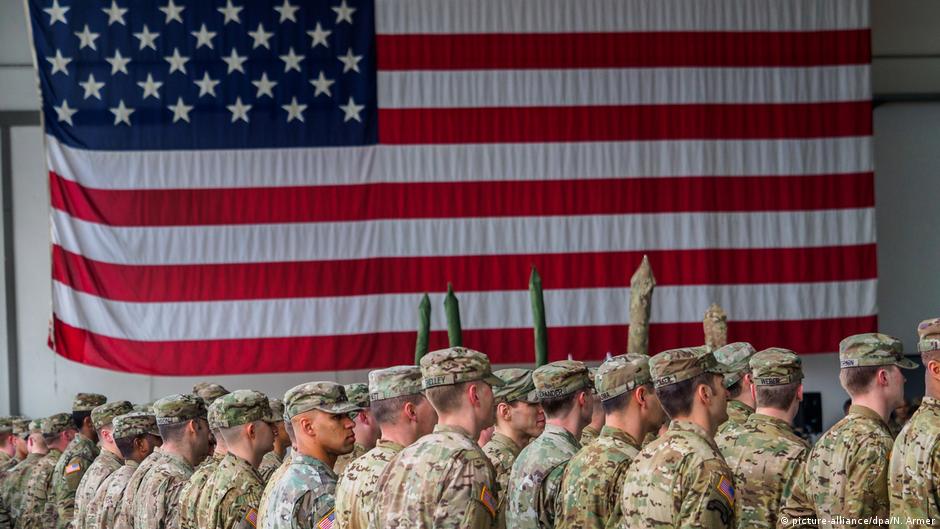
The U.S. Department of Defense has initiated a reduction of approximately 5,000 troops stationed in Germany, signaling a significant shift in America's military footprint in Europe. This move comes after Defense Secretary Pete Hegset issued the order as part of a broader review of the Pentagon's force posture across the continent.
Currently, Germany hosts more than 35,000 American military personnel, the largest U.S. troop contingent in any European Union country. This drawdown aims to be completed within six to twelve months, according to Pentagon spokesperson Sean Parnell, who emphasized that the decision accounts for operational requirements and on-the-ground conditions.
Strategic and Political Implications for U.S. Businesses and Washington
The troop reduction follows statements by former President Donald Trump suggesting a possible cutback in U.S. forces in Germany. Trump’s comments have periodically raised concerns among NATO allies and Washington policymakers regarding the U.S. commitment to European security.
“We anticipate the troop withdrawal to be finalized within the next six to twelve months,” Pentagon spokesman Sean Parnell stated, underscoring a careful evaluation of military needs in Europe.
From a Washington perspective, the redeployment could impact political relationships with Germany and the broader transatlantic alliance. Chancellor Friedrich Merz of Germany responded calmly to the announcement, reaffirming the strategic importance of U.S. troops operating "shoulder to shoulder" with German forces. Merz underscored the mutual benefits of the longstanding military partnership, even amid recent diplomatic tensions.
The troop presence in Germany has historically been a pillar of U.S. military strategy in Europe since the Cold War, with numbers dramatically reduced from a peak of 250,000 soldiers stationed there in 1985. The current drawdown may reflect shifting priorities in U.S. defense strategy, with potential reallocations to other regions or the modernization of forces.
For American companies, particularly defense contractors and firms involved in the logistics and support sectors, changes in troop levels in Germany can have a direct financial impact. Redeployment often affects contracts related to base operations, maintenance, and supply chains tied to overseas military facilities. Additionally, reduced U.S. presence in Germany could influence transatlantic trade and investment climates, considering the close link between military alliances and economic cooperation.
Furthermore, the troop reduction announcement arrives amid strained U.S.-German relations, highlighted by disagreements over Middle East policy and Iran’s nuclear program. These political dynamics could affect broader U.S.-European cooperation, with ramifications for policymakers and businesses monitoring geopolitical stability.
Congressional constraints present another layer of complexity, as lawmakers maintain strict oversight over military deployments and funding. Previous attempts by the Trump administration to adjust troop levels faced legislative pushback, suggesting that any future modifications will require careful negotiation to align defense objectives with political realities.
As the Pentagon proceeds with this troop drawdown, Washington will need to balance strategic military considerations with diplomatic and economic implications to ensure that U.S. interests in Europe remain robust.