US Delays Arms Shipments to Europe Amid Iran Conflict, Impacting Allies and Defense Supply Chains
Washington's urgent replenishment of depleted arsenals is causing significant delays in arms deliveries to European partners and affecting US defense industry commitments.
The United States has informed key European allies, including the United Kingdom, Poland, Lithuania, and Estonia, of substantial delays in arms shipments as it urgently seeks to replenish military stocks depleted during conflict with Iran, according to multiple sources cited by the Financial Times.
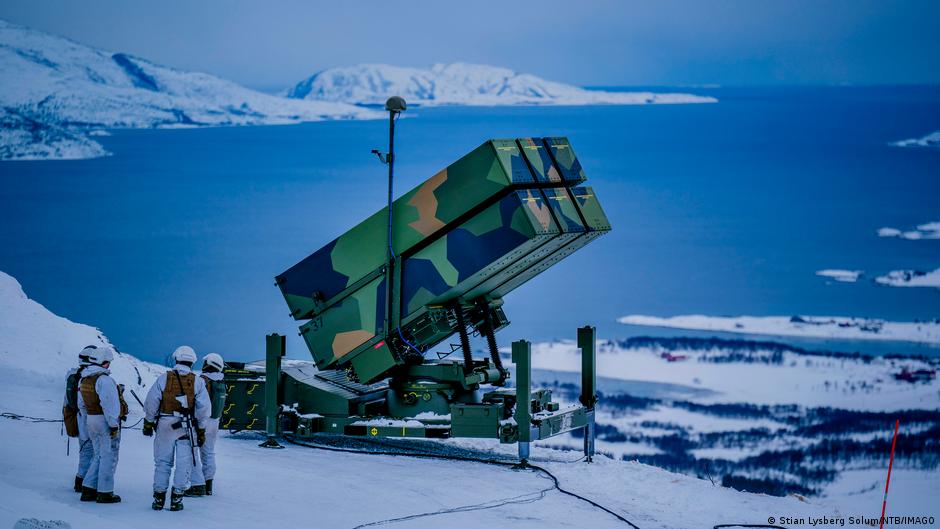
This development marks a significant shift in US defense supply priorities, signaling challenges for Washington’s transatlantic partners relying on American weapons systems like the NASAMS and HIMARS rocket launchers.
Implications for US Allies and Defense Industry
Sources indicate that delays will impact ammunition and missile supplies for several rocket artillery systems, including NASAMS and HIMARS, which are in service with 14 US partners such as Ukraine, Poland, Estonia, and several NATO countries. Discussions are also underway about similar supply constraints affecting Asian allies like Japan and South Korea.
“The fifth year of Ukraine’s defense against Russian aggression is being complicated by persistent delays in US military aid, a senior Ukrainian official told the Financial Times,” underscoring the operational impact of these delays on frontline states.
The US Department of Defense has stated it is "carefully assessing" new and existing equipment requests from allies to ensure alignment with evolving operational requirements amid ongoing conflicts.
For the US defense sector, these shifts translate into a reprioritization of production lines and logistics, potentially disrupting established contracts and delivery schedules for European customers. American defense manufacturers supplying systems like NASAMS and HIMARS may face challenges balancing urgent US military demands with alliance obligations.
Contrasting Arms Deals in the Middle East
Simultaneously, the US State Department has approved weapon sales and military services exceeding $8.6 billion to Middle Eastern allies including Israel, Qatar, Kuwait, and the United Arab Emirates. Qatar received the largest allocation at $4 billion, followed by Kuwait at $2.5 billion, Israel at $1 billion, and the UAE around $150 million.
These approvals were expedited under an emergency procedure bypassing Congressional review, justified by the Department of State as "urgent necessity" due to ongoing military conflict with Iran. This notable prioritization contrasts starkly with the delays communicated to European and some Asian partners.
Former President Donald Trump’s administration enacted this procedural mechanism, although Trump officially notified Congress that the conflict with Iran was concluded, raising questions about the ongoing rationale behind these expedited arms sales.
Washington’s Strategic Balancing Act
These supply delays and arms deal approvals underscore the complex balancing act faced by Washington as it manages multiple global security commitments. For American businesses, particularly defense contractors, the situation presents a dual challenge: meeting urgent domestic military requirements while sustaining longstanding international partnerships.
Defense industry analysts warn that prolonged delays could strain US alliances, particularly as European countries and Ukraine rely heavily on US-made equipment for their defense needs amid ongoing conflicts.
As one industry expert noted, "The US is recalibrating its supply priorities in response to emerging threats, but this comes at a cost to allied readiness and the reliability of US defense exports."
In the broader context, these developments may influence US congressional oversight of arms sales and foreign military financing, with lawmakers weighing the strategic implications of prioritizing certain theaters over others.
Ultimately, the US approach reflects shifting geopolitical pressures and the challenge of sustaining global military support networks amid simultaneous conflicts, with direct repercussions for American businesses and international security partnerships.