Russian Military Strikes Multiple Ukrainian Regions Amid Ongoing Conflict
Renewed attacks on Ukrainian infrastructure and cities raise concerns over regional stability and impact on global markets.
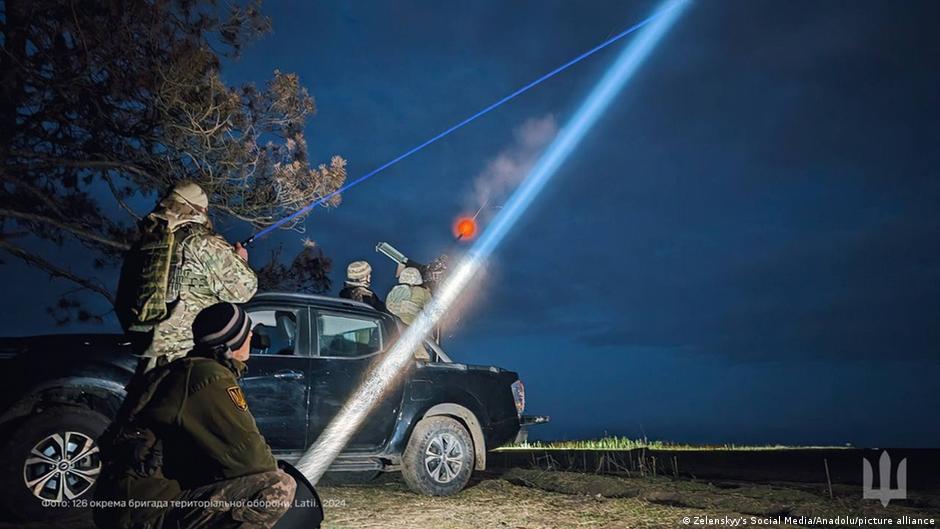
In the early hours of May 2, Russian forces launched a series of drone and missile strikes targeting several regions across Ukraine, including key urban centers and critical infrastructure. The attacks represent a continuation of Russia's military campaign and have significant implications for regional stability and international business interests.
Targeted Attacks on Energy and Civilian Infrastructure
According to local authorities, the southern city of Mykolaiv suffered a drone strike targeting its energy infrastructure. Vitaliy Kim, head of the Mykolaiv Regional Military Administration, reported no casualties but emphasized the potential disruptions to the city’s power supply, which could affect both civilian life and industrial operations in the region.
In Kharkiv, a Shahed unmanned aerial vehicle struck the 12th floor of a residential building in the Shevchenkivskyi district, injuring one civilian with shrapnel wounds to the chest. Mayor Igor Terekhov noted that the drone did not explode upon impact, preventing potentially more severe damage and loss of life.
Repeated explosions were reported in Sumy and Kherson, marking the third consecutive attack of the day in the latter city. Ukrainian Air Force units indicated that offensive drones also advanced towards Chernihiv, Zaporizhzhia, Odessa, and the Odessa region, suggesting a broad tactical focus on critical ports and transport corridors.
"Air defense forces acted very effectively—most enemy drones were shot down, resulting in minimal damage," said local administration officials regarding an attack on Izmail's port infrastructure.
Human Cost and Regional Impact
Western Ukrainian city Ternopil experienced an assault by over 50 Shahed drones, with more than 20 detonating in the area and causing injuries to at least 12 civilians. Sergey Zyubanenko, head of the Ternopil regional police, confirmed the human toll and ongoing emergency responses.
In the Dnipropetrovsk region, nearly 50 strikes targeted the Nikopol and Kryvyi Rih districts, resulting in four civilian casualties. Local governor Alexander Ganja detailed that two women were hospitalized with moderate injuries, while two others are receiving outpatient care. The persistent aggression in these industrially significant districts threatens production continuity and supply chain stability, factors closely monitored by international investors and businesses.
Washington’s Strategic and Economic Considerations
The sustained Russian attacks on Ukrainian infrastructure and urban centers raise critical questions for U.S. policymakers and American businesses with interests in Eastern Europe. Energy disruptions and port attacks, such as those in Mykolaiv and Izmail, directly affect supply routes and commodity flows vital to global markets.
Moreover, the ongoing conflict underscores the challenges Washington faces in balancing military support for Ukraine with broader geopolitical and economic risks. American companies involved in defense, energy, and logistics sectors are particularly attentive to how the evolving security landscape may influence operational risks and investment decisions.
As the conflict persists, the United States continues to assess the impact of Russian military actions not only on Ukraine’s sovereignty but also on global economic stability and transatlantic security partnerships.



