Israel Responds to Ukraine's Protest Over Russian Grain Ship Arrival at Haifa Port
Israel denies receiving evidence from Ukraine regarding Russian vessel carrying allegedly stolen Ukrainian grain, signaling diplomatic tensions with potential impact on U.S. business interests.

On April 27, Israel's Foreign Minister Gideon Sa'ar addressed Ukraine's protest concerning the docking of a Russian ship at the port of Haifa, which reportedly carried Ukrainian grain believed to have been stolen from occupied territories. Sa'ar stated that the Israeli government has yet to receive any concrete evidence supporting Ukraine's accusations.
"The evidence confirming these allegations has not yet been presented," Sa'ar wrote on the social media platform X. He further emphasized that the matter would be reviewed and that Israel would act according to legal frameworks.
Highlighting a diplomatic friction, Sa'ar noted that the Ukrainian Foreign Ministry did not formally request legal assistance before publicizing accusations in the media and on social networks. "Diplomatic relations, especially between friendly nations, are not conducted on Twitter or through the press," he added.
Diplomatic Dispute and Implications for International Trade
Earlier the same day, Ukrainian Foreign Minister Andrii Sybiha summoned the Israeli ambassador in Kyiv to issue a formal note of protest. Sybiha stressed the importance of strong Ukrainian-Israeli relations, stating that illegal trade by Russia involving Ukrainian grain should not undermine their partnership.
"Friendly Ukrainian-Israeli relations can benefit both countries, and illegal trade by Russia in stolen Ukrainian grain must not jeopardize these ties," Sybiha wrote on X. He also expressed frustration with what he described as Israel's inadequate response to Ukraine's lawful requests regarding previous shipments of allegedly stolen grain.
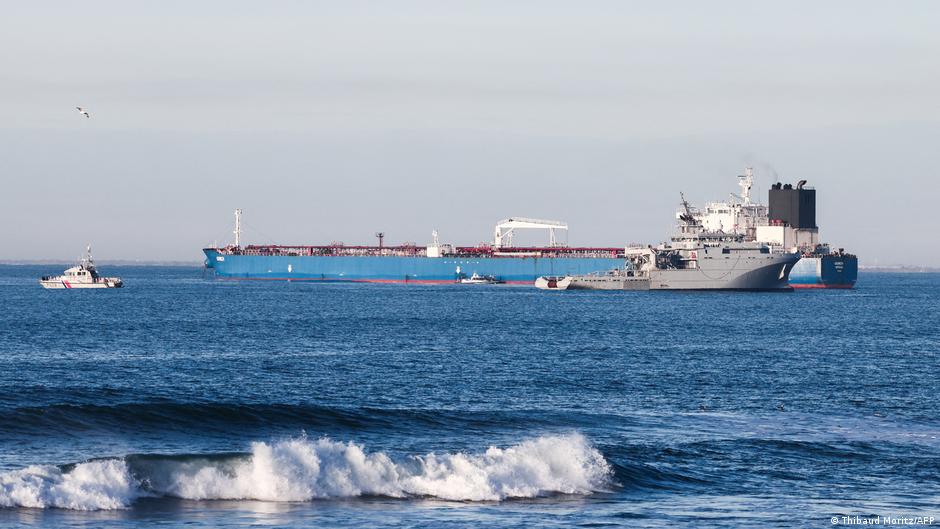
The controversy traces back to April 12, when investigative journalist Yekaterina Yaresko of the SeaKrime project at Ukraine's Myrotvorets center reported that Israel permitted the Russian bulk carrier Abinsk to dock at Haifa. The vessel reportedly delivered 43,700 tons of wheat taken from occupied Ukrainian territories.
American media outlet Axios reported that Ukrainian authorities attempted to prevent the ship's arrival and, after it docked, requested its detention. However, on March 16, Israeli authorities informed Ukraine that the ship had already departed Haifa, rendering such measures moot, according to The Times of Israel.
"Diplomatic relations, especially between friendly nations, are not conducted on Twitter or through the press," said Israel's Foreign Minister Gideon Sa'ar.
This diplomatic spat has broader implications for U.S. businesses involved in global grain markets and supply chains. The United States, a major grain exporter and a key ally of Ukraine, monitors these developments closely, as disruptions caused by unauthorized trade of Ukrainian agricultural products may influence global commodity prices and trade regulations.
Furthermore, American companies operating in Israel or engaged in transshipment activities through Israeli ports may face increased scrutiny and regulatory challenges amid the evolving geopolitical tensions. Washington’s ongoing support for Ukraine and its opposition to Russia’s actions in occupied territories position the U.S. government as a stakeholder in ensuring compliance with international trade laws.
As Israel reviews Ukraine's claims and navigates its diplomatic relations, the outcome will likely affect the broader strategic partnership between these countries and the stability of grain export routes critical to the global market.