Russian Court Restricts Alleged Stock Manipulators Impacting Moscow Exchange Prices
Two accused in Moscow stock market manipulation face court-imposed restrictions amid allegations of illicit profits exceeding 28 million rubles.
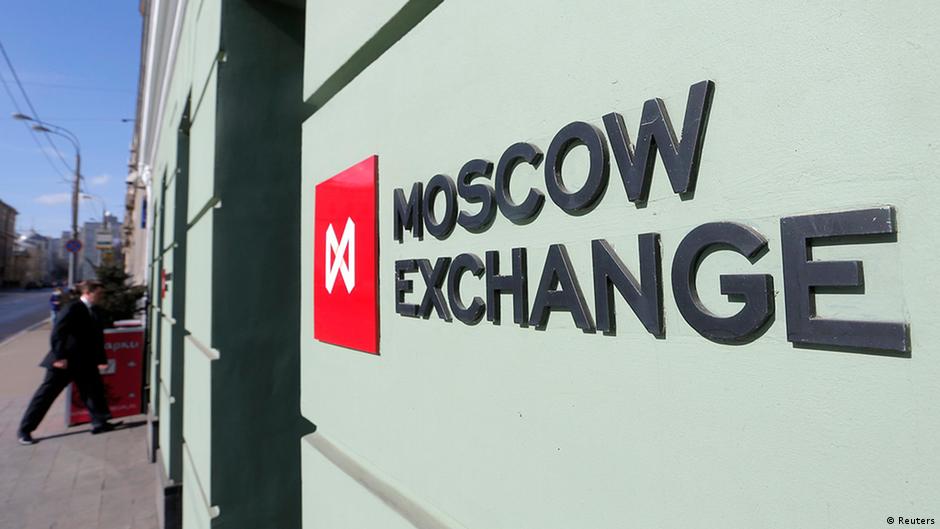
The Basmanny District Court of Moscow has imposed restrictions on Ilya Marochenkov and Gavriil Romanenko, accused of manipulating prices on the Russian stock market through Telegram channels, in an effort to curb their market activities. The allegations come amid claims that the defendants, allegedly part of an organized group, earned illicit profits surpassing 28 million rubles by influencing trading on the Moscow Exchange.
Details of the Case and Market Impact
According to the investigation, Marochenkov and Romanenko partially admitted their involvement in manipulating financial instrument trades during sessions on the Moscow Exchange. On April 13, the Russian Ministry of Internal Affairs, in cooperation with the Federal Security Service, detained three men suspected of systematically affecting the prices of securities by leveraging thematic Telegram channels they operated.
The channels, known as "РынкиДеньгиВласть | РДВ" (MarketsMoneyPower), "Сигналы РЦБ" (RCB Signals), and "Волк с Мосбиржи" (Wolf from the Moscow Exchange), allegedly published calls to buy or sell specific assets in 2023 and 2024, thereby impacting their market quotations. The combined audience of these channels neared 300,000 subscribers, amplifying the potential influence on market sentiment.
On the same day, the Central Bank of Russia issued 10 formal warnings regarding violations of the federal law against the misuse of insider information and market manipulation. Recipients of these warnings included Romanenko, Ilya and Irina Marochenkov, and Vladislav Panteleev, a partner at investment company PFL Advisors.
The Russian Investigative Committee confirmed that the criminal case involves an organized group affiliated with PFL Advisors. Members of this group allegedly manipulated securities prices by selling them at inflated prices after artificially influencing demand, executing over 55,000 illegal transactions in the process.
"By leveraging social media channels with large followings, the accused were able to orchestrate market movements that resulted in significant illicit profits," the investigation report notes.
Implications for U.S. Businesses and Financial Markets
While this case originates in Russia, it underscores broader challenges faced by regulators worldwide concerning the manipulation of securities prices through social media and online platforms. For American companies and investors with exposure to Russian markets or related securities, this episode highlights the risks of market distortions driven by coordinated online campaigns.
U.S. regulators, including the Securities and Exchange Commission (SEC), have increasingly focused on detecting and preventing similar manipulative practices that could affect market integrity and investor confidence. The widespread use of messaging apps and social media as vehicles for market influence poses regulatory and enforcement challenges, emphasizing the need for vigilance and enhanced surveillance.
Moreover, this case puts a spotlight on the importance of compliance and ethical trading practices for American financial firms operating in or with connections to international markets. It also raises concerns about the potential spread of manipulation tactics and the necessity for robust cross-border cooperation among regulatory bodies.
Ultimately, incidents of manipulation in foreign markets can indirectly affect U.S. investors and companies, both through direct holdings and through the interconnected nature of global financial markets. This makes monitoring developments like the Moscow Exchange case critical for safeguarding market fairness and promoting transparency.