Lufthansa to Cancel 20,000 Flights Through 2026 to Conserve Aviation Fuel Amid Energy Crisis
German carrier Lufthansa plans extensive flight cancellations to save over 40,000 tons of jet fuel amid geopolitical tensions affecting energy supplies.
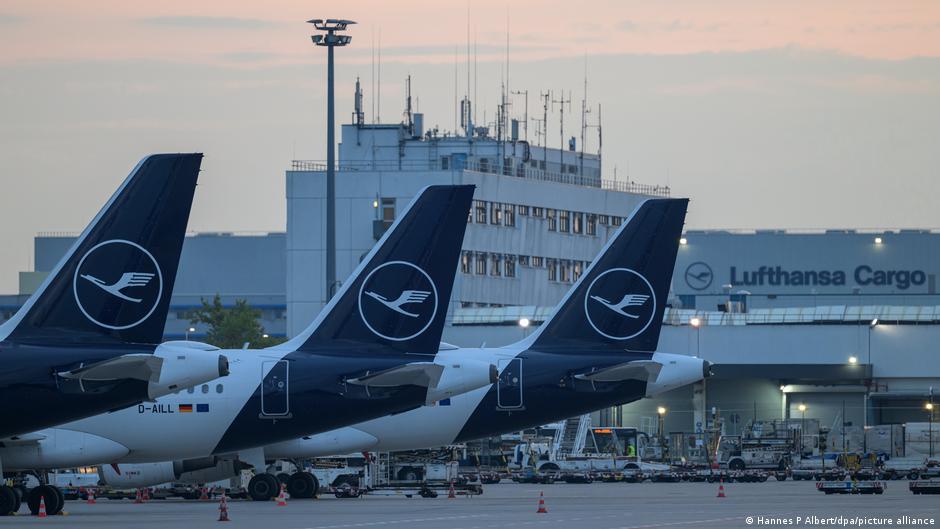
Germany's flagship airline Lufthansa has announced plans to cancel 20,000 flights from June through October 2026 in an effort to reduce aviation fuel consumption amid escalating energy costs linked to geopolitical conflicts in the Middle East. The airline aims to save more than 40,000 tons of jet fuel as a direct response to the ongoing crisis triggered by the US and Israeli conflict with Iran.
Flight cancellations already started for trips scheduled before May 31, 2024. For example, on April 20, Lufthansa suspended 120 daily flights, including routes from its Frankfurt am Main hub to Polish cities Bydgoszcz and Rzeszów, as well as to Stavanger in Norway.
Impact on Lufthansa’s Operations and Network
Despite the large number of cancellations, Lufthansa projects that its operational efficiency, measured in available seat kilometers (ASK)—the number of available seats multiplied by the distance flown—will decline by less than one percentage point. This is attributed to focusing cuts primarily on unprofitable short-haul routes from Frankfurt and Munich, while expanding flights from secondary hubs in Zurich, Vienna, and Brussels. Changes will also impact Lufthansa’s sixth hub in Rome.
A Lufthansa spokesperson indicated that a full list of canceled flights between June and October 2026 will be released by the end of April. The company has already accelerated retirements of aging aircraft to cut costs. On April 16, Lufthansa announced the early retirement of all 27 Canadair CRJ regional jets operated by its loss-making subsidiary CityLine, citing rising kerosene prices and labor disputes.
The airline also plans to phase out four Airbus A340-600 and two Boeing 747-400 long-haul aircraft by October 2024. Additionally, Lufthansa intends to reduce the volume of available seat kilometers for its primary brand during the upcoming winter season.
“By optimizing our route network and retiring less efficient aircraft, Lufthansa is proactively addressing the challenges of skyrocketing fuel costs caused by the ongoing Middle East conflict,” a company representative said.
Broader Industry Implications and US Connections
Lufthansa’s drastic measures underscore the wider impact of geopolitical instability on global aviation, particularly concerning US foreign policy in the Middle East. The conflict involving the US, Israel, and Iran has triggered supply chain disruptions and sharply increased energy prices, creating ripple effects for international carriers and their customers.
Other European airlines are also feeling the strain. SAS Scandinavian Airlines headquartered in Stockholm will cancel approximately 1,000 flights in April, while France’s Air France-KLM has imposed a surcharge of up to 100 euros on long-haul tickets, including those already sold. Moldovan carrier FlyOne has similarly announced flight cancellations due to fuel challenges.
For US businesses, the situation highlights potential operational risks and cost pressures from geopolitical developments abroad affecting global supply chains and transportation costs. Airlines and logistics companies reliant on transatlantic and international routes may need to anticipate disruptions and adjust strategies accordingly.
The European Commission is expected to propose a plan on April 22 aimed at addressing the energy crisis caused by the Middle East conflict, which could influence fuel pricing and availability for airlines.
As energy prices remain volatile, US companies in aviation, travel, and supply chain sectors will closely monitor developments to mitigate bottom-line impacts from increased transportation costs and shifting flight networks.