Uzbekistan Accelerates Privatization of Asakabank with Key State Asset Transfers
Uzbek government fast-tracks privatization of Asakabank, impacting state assets and signaling changes for foreign investors including US businesses.
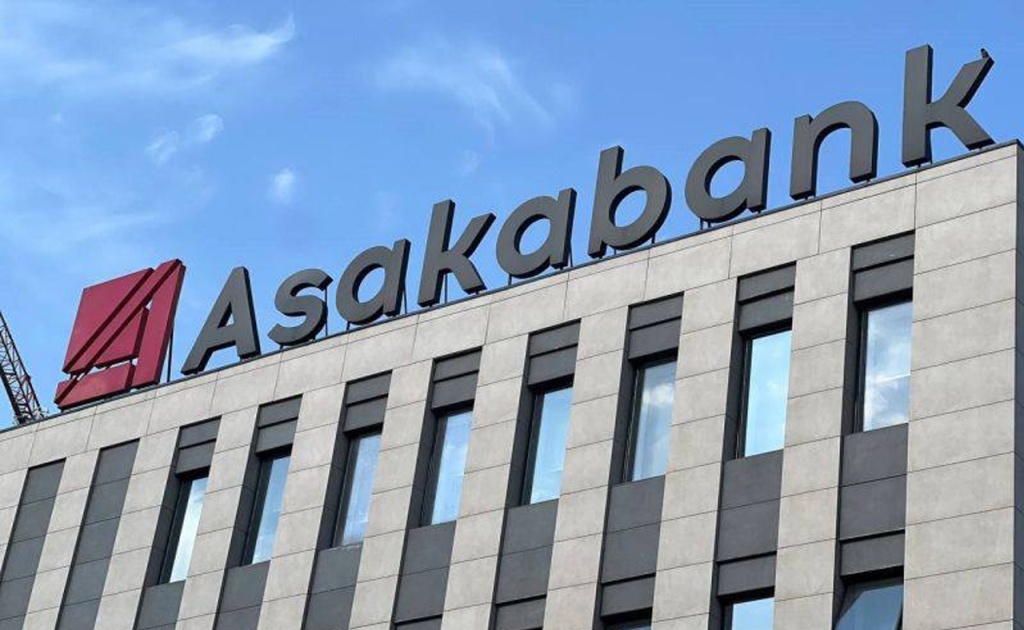
Uzbekistan has announced a significant acceleration in the privatization of Asakabank, the country's second-largest state-owned bank. A presidential decree dated April 20, 2026, outlines additional measures aimed at preparing Asakabank for privatization by streamlining its operations and transferring several state-owned assets to the State Asset Management Agency.
Implications for US Business Interests and Regional Financial Markets
The decree mandates that Asakabank cease any non-core banking activities and refocus entirely on its primary banking functions. Among the affected assets is the former "Tashkent Agricultural Machinery Plant," which will be transferred to the state asset agency with compensation to the bank anticipated from future privatization proceeds.
Additionally, investment projects and equity stakes valued at approximately 382.6 billion Uzbek soms (around $35 million) in companies such as "Green Energy," "Uz CLAAS Agro," and "Khorezm Invest Project" will also be handed over to the state agency for eventual privatization. This move could open opportunities for international investors, including US firms interested in the Central Asian energy and agriculture sectors.
The government has further pledged $95 million in capital injections during 2026 to financially strengthen Asakabank, covering potential losses from non-performing loans through state funds. This financial backing aims to increase investor confidence ahead of the bank’s market listing and sale.
"All banking operations will be conducted strictly on commercial and market principles, adhering to modern risk management standards," the decree states, emphasizing the bank’s shift toward a market-driven model.
Notably, dividends will not be paid out in 2024 and 2025, with net profits reinvested to bolster the bank’s financial position.
From a Washington perspective, this accelerated privatization signals Uzbekistan’s continued commitment to economic liberalization and attracting foreign investment, which could impact US corporations seeking to expand their footprint in Central Asia’s emerging markets. The involvement of the European Bank for Reconstruction and Development (EBRD), which purchased a 15% stake in Asakabank as part of the privatization preparation, further underscores this trend and may encourage US investors to follow suit.
Furthermore, Uzbekistan’s broader banking reform strategy includes extending deadlines for privatization of other state banks such as Uzsanoatqurilishbank and Aloqabank until 2025-2027, reflecting a cautious but determined approach to state asset divestment. This phased privatization approach may present staggered opportunities for US financial institutions and private equity players.
In summary, the Uzbek government’s strategic moves to refine Asakabank’s asset portfolio, inject capital, and partner with international development banks are expected to improve the bank’s operational efficiency and attract international capital. For US businesses focused on banking, infrastructure, energy, and agriculture within Central Asia, these developments offer a clearer roadmap for investment and partnership in a rapidly evolving economic landscape.