NATO Intercepts Russian Military Aircraft Over Baltic Sea in Heightened Security Tensions
NATO forces intercepted Russian bombers and fighters over the Baltic Sea, raising concerns about regional security and U.S. corporate interests.
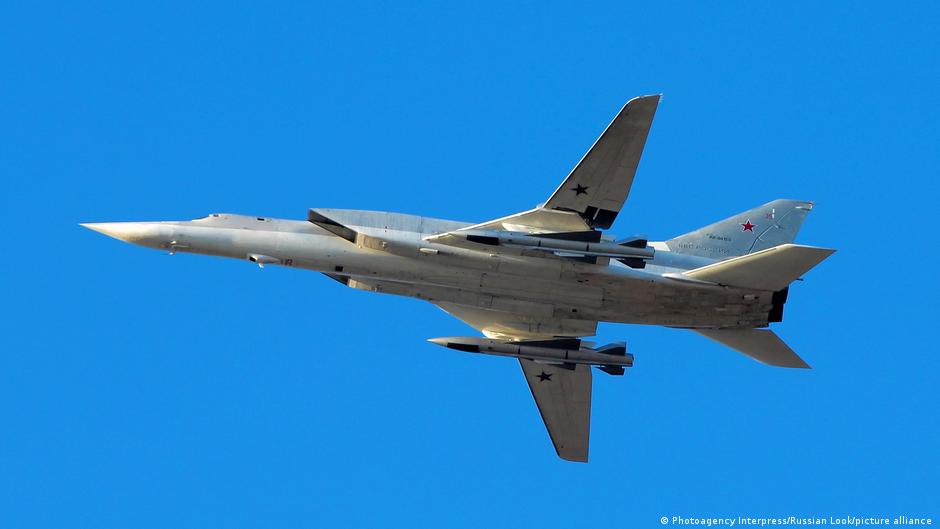
On April 20, NATO aircraft intercepted a group of Russian strategic bombers and fighter jets flying over the Baltic Sea, an event that underscores escalating military tensions in a region critical to European and transatlantic security. According to the Russian Ministry of Defense, the flight was routine and conducted over neutral waters, but NATO's multinational response highlights growing vigilance among allied forces.
Implications for U.S. Businesses and Washington’s Strategic Outlook
The interception involved French Rafale fighters alongside aircraft from Sweden, Finland, Poland, Denmark, and Romania, which escorted Russian Tu-22M3 supersonic missile-carrying bombers and Su-30 and Su-35 fighters. NATO officials revealed that two Tu-22M3 bombers were deployed sequentially, supported by approximately ten Russian Su-30 and Su-35 fighters. Journalists from the Associated Press witnessed Rafale pilots take off from the Lithuanian airbase at Šiauliai, illustrating the close monitoring of Russian aerial maneuvers.
The Russian Ministry of Defense maintains that the Tu-22M3 bombers, accompanied by Su-35 fighters, conducted a four-hour flight over neutral Baltic waters in compliance with international aviation rules. They also noted that on parts of the route, the Russian bombers were shadowed by foreign fighters, emphasizing the intensity of NATO's aerial presence in the area.
"The flights are carried out in accordance with international regulations," the Russian Defense Ministry stated, defending their operations.
Lithuanian Defense Ministry data reveals a pattern of frequent interceptions by NATO pilots. Between April 13 and 19, crews were scrambled four times to intercept Russian aircraft suspected of violating flight protocols. These alleged infringements include disabling transponders, flying without submitting flight plans, and failing to communicate with air traffic controllers—actions that amplify risks of accidental military escalation.
For Washington, these developments are significant on multiple fronts. From a political perspective, they reaffirm the importance of NATO’s eastern flank and the U.S. commitment to collective defense against Russian military assertiveness. Increased NATO patrols and rapid interception capabilities demonstrate U.S. support for Baltic and Nordic security, which is vital amid ongoing tensions in Eastern Europe.
From a business standpoint, sustained regional instability can disrupt commercial air routes and the broader logistics networks essential for global supply chains. American companies with interests in aviation, defense manufacturing, and Baltic trade corridors must closely monitor these developments. Heightened military activity may lead to increased defense spending and procurement opportunities for U.S. contractors, but it also poses risks to economic stability in the region.
Moreover, the interception events underscore the importance of resilient communication and navigation systems in aviation, areas where U.S. technology firms have a strategic foothold. Disruptions caused by disabling transponders and communication blackouts could prompt accelerated investments in advanced avionics and cybersecurity solutions, potentially benefiting American technology providers.
In summary, the April 20 interception of Russian aircraft over the Baltic Sea serves as a reminder of the fragile security environment facing NATO and its U.S. allies. It also highlights the intersection of geopolitical tensions with the operational and economic interests of American businesses involved in defense and aviation sectors.