Militant Attacks in DR Congo Kill 69 Amid Rising Regional Instability Impacting US Interests
Recent rebel assaults in DR Congo's Ituri province claim 69 lives, highlighting ongoing conflict risks to American businesses and regional stability.
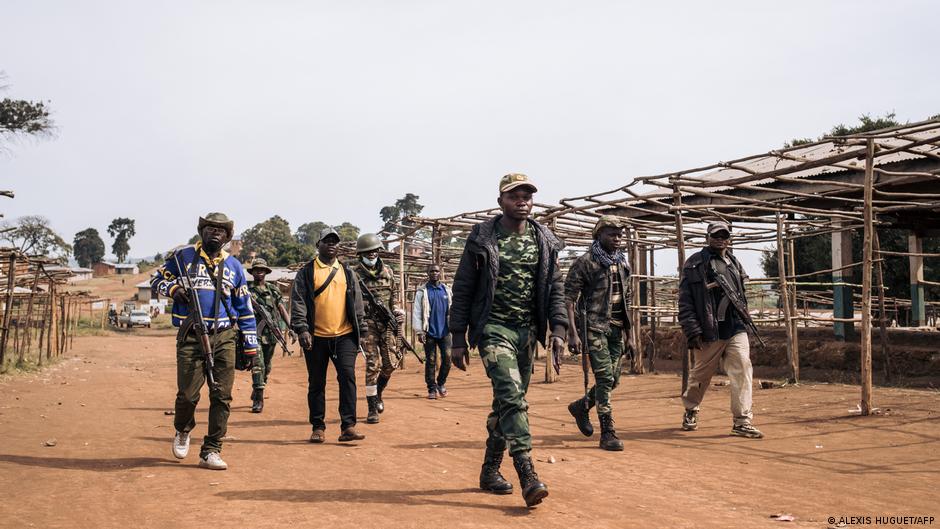
The Democratic Republic of Congo (DRC) has witnessed a deadly surge in violence as attacks by two rebel groups in the northeastern Ituri province have resulted in the deaths of at least 69 individuals, including 19 militants, according to local authorities. These events, occurring in late April, underscore persistent security challenges in a region critical for global mineral supply chains and raise concerns for US economic and strategic interests.
Rebel Clashes and Regional Implications
The attacks involved the Convention for the Popular Revolution (CRP) targeting the Congolese army's unit, followed by retaliatory strikes from the Cooperative for the Development of Congo (CODECO) against nearby settlements. CRP is associated with the Hema ethnic group, while CODECO represents Lendu interests, fueling a violent ethnic conflict that has long destabilized Ituri.
"The ongoing control struggles among armed factions in Ituri not only perpetuate local violence but also threaten the security of mineral resources vital to global markets."
According to security sources, the retrieval of bodies has been hampered by the continued presence of CODECO fighters in the affected areas. Ituri's gold-rich territories have frequently been the epicenter of armed confrontations, as militias vie for control over mineral wealth that is crucial for industries worldwide, including American technology and manufacturing sectors reliant on rare metals and minerals.
Historical and Political Context
CRP was formed by Thomas Lubanga, a former warlord and founder of the earlier armed group Union of Congolese Patriots. Lubanga was the first individual convicted by the International Criminal Court (ICC) for war crimes, serving 14 years before his release in 2020. Since then, he has transitioned into political activities in Ituri but announced the creation of a new armed faction in 2025, citing government negligence in curbing violence by groups like CODECO and Ugandan rebels.
Additionally, the March 23 Movement (M23), representing the Tutsi minority and backed by Rwandan forces, remains a dominant armed group controlling key areas such as Goma, the largest city in eastern DRC. This persistent instability complicates international efforts to stabilize the region and secure supply chains.
US Business and Strategic Concerns
The DRC's prolonged conflict, ongoing for more than three decades and rooted in regional ethnic tensions and resource disputes, continues to have far-reaching implications for global security and commerce. For American businesses, especially those involved in the extraction and processing of minerals essential for electronics, renewable energy, and defense technologies, the security of supply chains is directly threatened by such violence.
Furthermore, the instability poses challenges for US foreign policy objectives aiming to promote regional stability, economic development, and counter illicit trade networks that empower armed groups. The rising humanitarian crisis—with over 7 million Congolese displaced—also places additional pressure on international aid and diplomatic frameworks supported by Washington.
Outlook
The recent attacks in Ituri highlight the fragile security environment that continues to imperil economic interests and human rights in the region. As the US evaluates its strategic partnerships in Central Africa, balancing counterinsurgency efforts, humanitarian assistance, and safeguarding access to critical minerals will remain key priorities.