Putin Endorses Gerhard Schröder as EU Negotiator on Ukraine Conflict, Highlighting Moscow’s Diplomatic Strategy
Russian President Vladimir Putin names former German Chancellor Gerhard Schröder as preferred EU interlocutor amid stalled Ukraine negotiations, underscoring complex implications for Western diplomacy and U.S. interests.
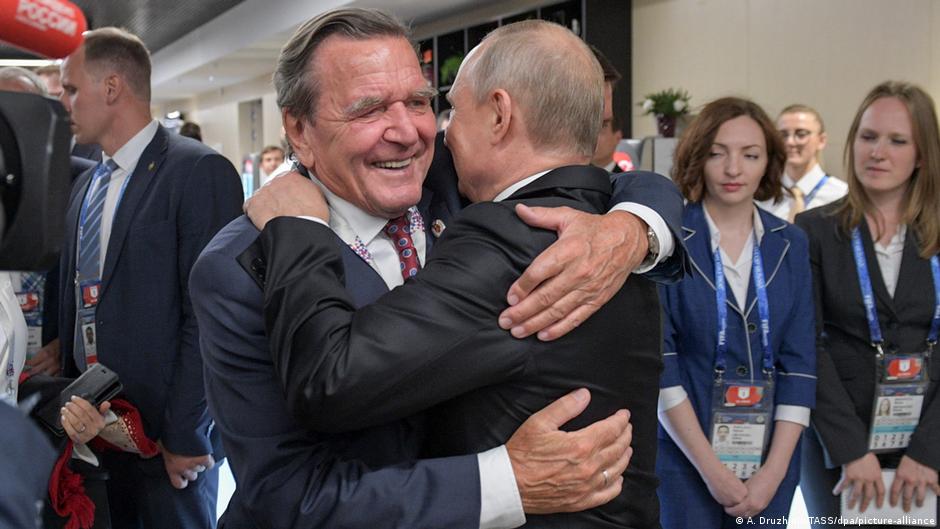
Russian President Vladimir Putin has publicly identified former German Chancellor Gerhard Schröder as his preferred representative from the European Union to negotiate an end to Russia’s war against Ukraine. This statement, made during a May 9 press conference, signals Moscow’s strategic approach to potential diplomatic talks and raises questions about the prospects for meaningful dialogue involving Western nations.
Putin’s Diplomatic Conditions and Schröder’s Role
During the press briefing with Kremlin journalists, Putin emphasized that Russia is open to negotiations but insists that Europe appoint a negotiator who has not publicly disparaged Moscow. He said, “For me personally, the most preferable is former Chancellor Mr. Schröder.” This preference is rooted in Schröder’s well-known close relationship with Putin and his longstanding pro-Russian stance.
“Russia has always engaged with the European Union respectfully,” Putin remarked, stressing the importance of mutual respect in any dialogue.
Despite this rhetoric, Putin’s own language toward European politicians has been often hostile since the start of the conflict, including derogatory remarks made in December 2025. Furthermore, Putin criticized Finland’s NATO accession during the same press conference, indicating ongoing tensions with Western allies.
Impact on U.S. Business and Policy
Gerhard Schröder’s candidacy reflects Moscow’s preference for interlocutors with business-oriented ties and personal loyalty, rather than traditional diplomats. Schröder, who served as Germany’s chancellor from 1998 to 2005, has held leadership roles related to Russian energy projects, including the Nord Stream pipeline operator and Rosneft’s board. German media frequently characterize him as a Putin ally and lobbyist for Russian interests within Germany.
For U.S. companies and policymakers, Schröder’s involvement signals challenges. His advocacy for renewed Russian energy exports, including a January 2026 critique of Russia’s "demonization," runs counter to U.S. efforts to reduce European dependence on Russian fossil fuels. The ongoing conflict has already disrupted global energy markets, affecting American firms across sectors from energy to manufacturing.
Moreover, Putin’s prior attempt to position Steve Witkoff, a businessman with limited political experience, as a U.S. negotiator in 2025, illustrates Moscow’s strategy of leveraging business figures to circumvent traditional diplomatic protocols. Such maneuvers complicate Washington’s ability to coordinate a unified Western response and may undermine established security procedures.
Future of Negotiations and U.S. Strategic Interests
Putin reiterated his willingness to meet Ukrainian President Volodymyr Zelensky in a third country, but only once "final agreements," designed for the long term, are reached. However, official talks between Russia and Ukraine remain stalled, with Russian Foreign Minister Sergey Lavrov confirming in mid-April that no negotiations are underway.
Ukrainian leadership has repeatedly dismissed Russia’s and Belarus’s invitations for meetings on their soil, citing concerns about neutrality and security. Meanwhile, Slovak Prime Minister Robert Fico reportedly conveyed Zelensky’s readiness for a direct meeting with Putin, but Moscow insists such encounters depend on achieving substantive preconditions.
The unfolding dynamics present complex challenges for U.S. policymakers. Supporting Ukraine’s sovereignty while managing transatlantic relations requires balancing diplomatic engagement with pressure on Moscow. The prominence of figures like Schröder in Russia’s preferred negotiation framework suggests Moscow’s intent to influence European opinion and potentially fracture Western consensus.
As the conflict approaches an uncertain endpoint, American businesses remain vigilant regarding the war’s economic repercussions, particularly in energy markets and supply chains. Washington’s approach will likely continue emphasizing coordinated sanctions, support for Ukraine, and discouragement of backchannel negotiations that could undermine allied unity.