Temporary Ceasefire in Ukraine Sees Troop Rotations Amid Ongoing Tensions
Both Russian and Ukrainian forces utilize the May truce for troop rotations and logistical preparations while hostilities persist on the ground.
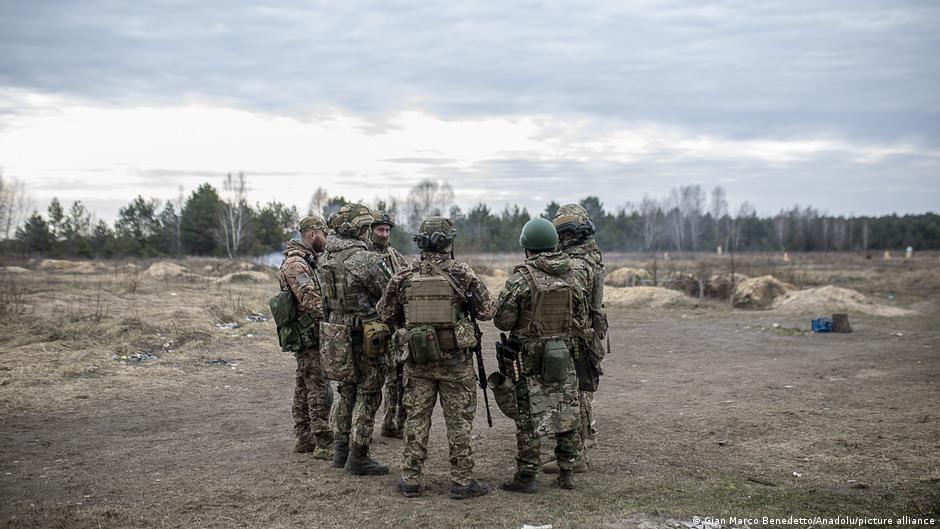
On May 9, both Russian and Ukrainian forces took advantage of a temporary ceasefire to conduct troop rotations and strengthen their operational readiness, according to Ukrainian military officials. The truce, brokered under the auspices of U.S. President Donald Trump, was intended to last from May 9 to May 11 and included provisions for a prisoner exchange.
Ceasefire Used for Tactical Preparation
Ukrainian Armed Forces spokesperson Viktor Tregubov stated during an official broadcast that Russian troops have largely fallen silent following the ceasefire announcement but are utilizing the pause to rotate units, resupply, and restore offensive capabilities. He emphasized that Ukraine is similarly employing the ceasefire period to improve logistics and rotate its personnel.
"They have indeed quieted down today, attempting to take a pause to rotate and bring in forces and generally to restore their offensive potential," Tregubov said.
This strategic lull has allowed both sides to reorganize, although it has not resulted in a complete cessation of hostilities. Ukrainian officials reported continued Russian attacks, including drone strikes and ground assaults on positions in territory contested by both sides.
The Ukrainian General Staff noted that between midnight and 10 p.m. on May 9, Russian forces launched 121 attacks, targeting several border districts in the Sumy region such as Rogozne, Volfino, Korenek, Atinske, Ulanovo, and Kucherovka. These actions underscore the fragile nature of the ceasefire.
Diplomatic and Political Implications
The ceasefire was announced by U.S. President Trump on the evening of May 8, who claimed credit for initiating the truce and the planned exchange of 1,000 prisoners on each side. However, Russian President Vladimir Putin cast doubt on the feasibility of such a prisoner swap, citing the Ukrainian authorities' reluctance to accept Moscow's list of 500 servicemen proposed for exchange.
Putin accused Kyiv of not being ready to proceed with the exchange and criticized the conditions surrounding the deal. Meanwhile, Kremlin aide Yuri Ushakov indicated that prisoner lists are still being compiled and that real progress requires identification and agreement on the individuals involved before any physical exchange can occur. Ushakov also stressed that full-scale hostilities would resume after the ceasefire period ends on May 11.
From a Washington perspective, the ceasefire and associated prisoner exchange negotiations reflect the complex role of the United States as both mediator and strategic actor in the conflict. The ongoing fighting despite the truce highlights the challenges faced by U.S. policymakers in achieving durable peace and stability in the region.
Implications for American Business and Policy
The intermittent ceasefires and ongoing conflict in Ukraine have direct ramifications for U.S. businesses, particularly in sectors sensitive to geopolitical risks such as energy, agriculture, and defense. Supply chain disruptions and regional instability can impact global commodity markets, affecting American firms and their bottom lines.
Moreover, the U.S. government's involvement in brokering ceasefires and mediating prisoner exchanges underscores the strategic importance Washington places on maintaining influence in Eastern Europe. This engagement has implications for defense spending and foreign aid allocations, which in turn affect American defense contractors and related industries.
As the situation remains fluid, U.S. companies with interests in the region or supply chains linked to Eastern Europe should monitor developments closely. The short-term tactical pauses in fighting may offer windows for diplomatic progress, but the potential for renewed hostilities remains a significant risk factor for business planning and risk management.