New EU Biometric System Disrupts Airport Operations, Risks Impacting US Travelers and Airlines
The EU’s new Entry/Exit System causes multi-hour delays in major airports, raising concerns for US airlines and travelers ahead of peak season.
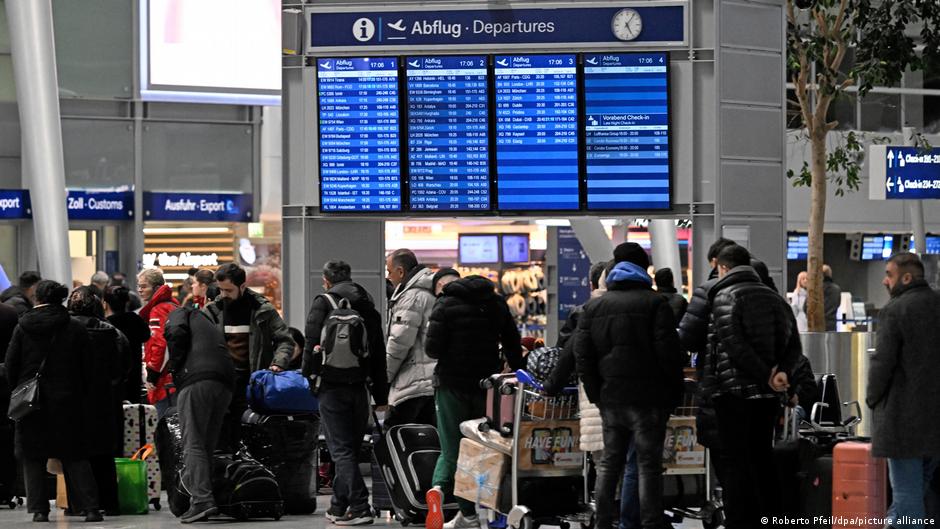
Implementation of the European Union’s new biometric identification system, known as the Entry/Exit System (EES), has led to severe operational disruptions at airports across six EU member states. The system, which went into full effect on April 10, has triggered multi-hour queues and flight delays, stirring alarm among industry stakeholders and potentially affecting American airlines and travelers.
Operational Challenges and Industry Response
The Airports Council International (ACI) Europe has issued warnings that airports in France, Germany, Belgium, Italy, Spain, and Greece are experiencing processing delays of up to three hours during peak periods. Michael O’Leary, CEO of Irish carrier Ryanair, publicly condemned the rollout as “a complete disgrace and chaos,” likening it to “a Brexit penalty.” O’Leary urged the European Commission to postpone the system’s full deployment until October to avoid further disruptions, citing wait times that in some airports have reached as long as four hours.
“At peak hours, passengers are already enduring waiting times of up to three hours,” said Olivier Jankovec, director general of ACI Europe.
Industry representatives have called on the European Commission to grant border control authorities the authority to suspend the EES system temporarily should delays become excessive. The system’s current operational strain threatens a near “collapse” during the upcoming summer tourist season, which could have knock-on effects for transatlantic travel and the US-based airline industry heavily reliant on European routes.
One notable incident occurred at Milan’s Linate Airport, where an EasyJet flight to Manchester departed with only 34 of its 156 passengers cleared through biometric checks on time; the remaining 122 were left behind. EasyJet offered free ticket rescheduling but declined responsibility for the delays. Such disruptions could influence US travelers and carriers due to interconnected flight schedules and codeshare agreements.
Technical and Political Dimensions
The European Commission maintains that the EES is functioning within expected parameters, citing an average processing time of 70 seconds per traveler. However, ACI disputes this figure, estimating the actual time at approximately five times longer. The biometric system replaces manual passport stamping for third-country nationals entering the Schengen area, requiring them to submit biometric data including fingerprints and facial photographs.
The system began phased implementation in October 2025, initially deployed in the Czech Republic, Estonia, and Luxembourg. By April 2026, all 29 Schengen countries had integrated EES. EU citizens, permanent residents, and diplomats are exempt from the biometric checks.
From a US business and political perspective, the EES rollout underscores the challenges of cross-border regulatory changes impacting international travel and commerce. US airlines operating extensive European networks may face increased operational costs and customer dissatisfaction. Moreover, American travelers could experience heightened inconvenience, potentially dampening transatlantic travel demand during a critical summer travel window.
Washington may face pressure from US carriers and travel industry stakeholders to engage with EU counterparts to address the system’s bottlenecks, emphasizing the importance of smooth transatlantic aviation operations for economic and diplomatic relations. The situation illustrates the broader ripple effects of regional regulatory policies on global business and travel patterns.