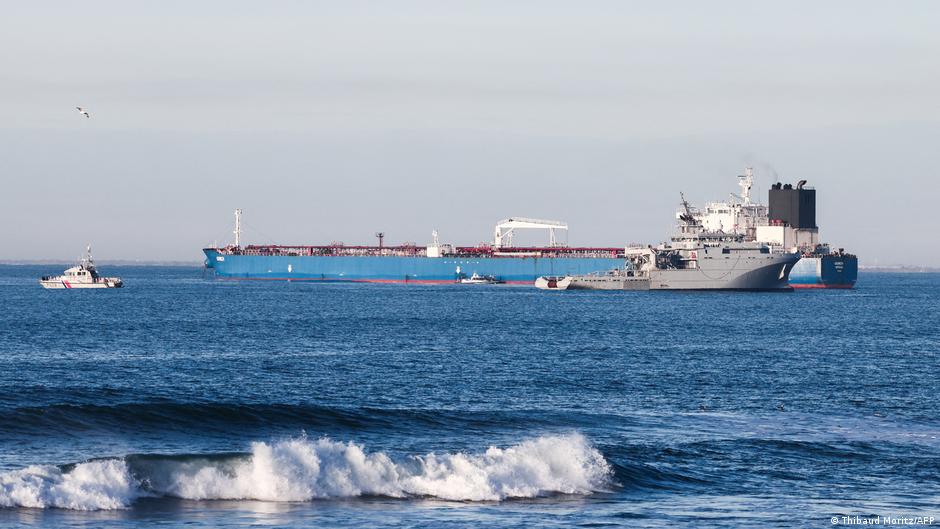
Russia Closes Azov-Don Canal After Drone Attacks, Disrupting Key Grain Export Route
Russia halts shipping through the Azov-Don canal and the Kerch Strait following Ukrainian drone strikes on vessels, impacting grain exports and trade flows.
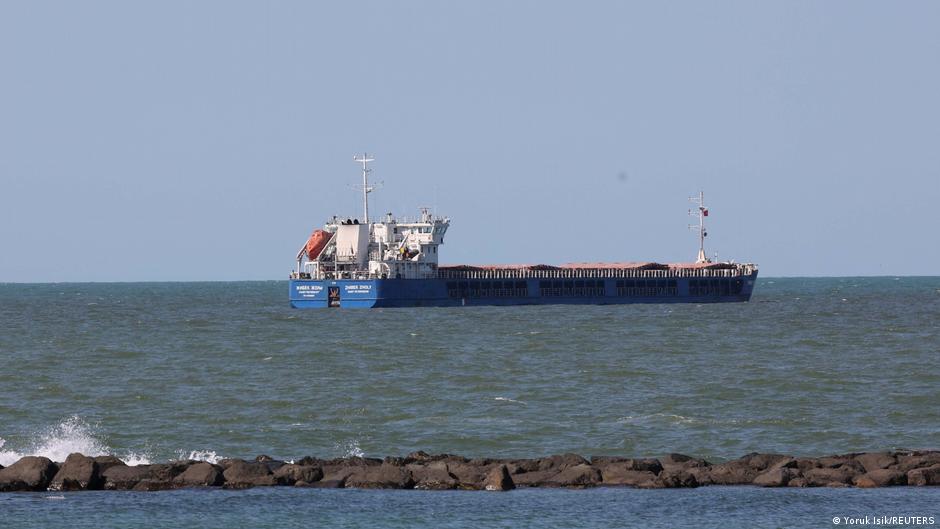
Russia has indefinitely closed the Azov-Don canal, a critical shipping artery linking the Don River with the Sea of Azov, following a series of drone attacks attributed to Ukrainian forces on vessels in the region. According to sources involved in Russian grain exports, the move was confirmed by the Russian Border Service, which operates under the Federal Security Service (FSB), signaling heightened tensions and increased disruption in a vital transport route.
Impact on Shipping and Grain Exports
The Azov-Don canal serves as a key maritime passage for Russian grain shipments, connecting major agricultural regions in the Rostov and Krasnodar territories to international markets via the Azov-Black Sea basin. The indefinite suspension of ship passage through the canal and the Kerch Strait — which links the Black Sea and the Sea of Azov — threatens to choke off this essential export route.
The Russian authorities have not provided specific reasons or timelines for the closure, and official ministries have remained silent when approached for comment. However, the move follows Ukrainian claims of successful drone strikes on at least 25 vessels in the Sea of Azov, including oil tankers and dry cargo ships, many of which are reportedly part of Russia's so-called "shadow fleet" subject to international sanctions.
"The targeted vessels, many holding strategic significance, highlight the growing vulnerability of Russia's maritime commerce in contested waters," said a maritime trade analyst.
Russian regional officials have acknowledged several drone strikes in the Taganrog Bay area, noting minor damage to some tankers. Nevertheless, the cumulative effect of these attacks and the resulting closure of key chokepoints like the Azov-Don canal could exacerbate supply chain challenges and increase global commodity price volatility.
Wider Implications for U.S. Business and Policy
For American companies engaged in global grain markets, disruptions to Russian agricultural exports can have significant ripple effects. The spike in wheat prices on European exchanges following the disruption — a more than 4% increase in a single day, marking a six-week high — underscores the sensitivity of global commodity markets to geopolitical tensions and supply chain interruptions.
Furthermore, the increased militarization of maritime trade routes in the Black Sea region poses risks to U.S. allied interests and global shipping security. The Biden administration and policymakers in Washington may need to reassess strategies for ensuring the safe passage of commercial vessels and mitigating the economic fallout from such closures.
U.S. energy and shipping firms with exposure to Black Sea routes could face operational uncertainties and increased insurance costs. Additionally, the closure may accelerate efforts within the U.S. to diversify grain supply chains and enhance strategic stockpiles as a buffer against supply disruptions linked to the Russia-Ukraine conflict.
As the conflict continues to affect maritime logistics, the intersection of military actions and commercial trade remains a critical area for U.S. economic and foreign policy focus.