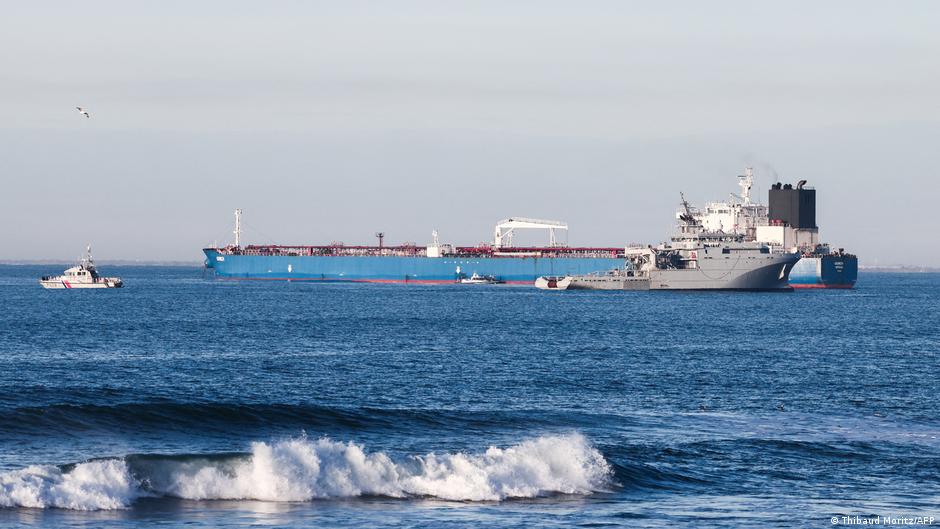
Saratov Refinery Halts Operations After Drone Attack Amid Russia’s Fuel Shortages
Ukrainian drone strikes on a major Russian refinery exacerbate fuel supply disruptions with implications for US energy markets and companies.
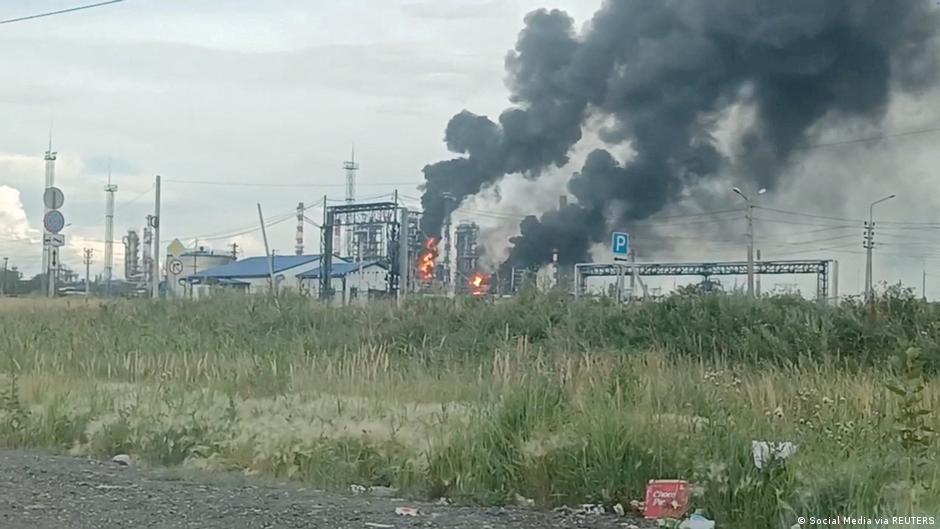
The Saratov oil refinery in Russia has ceased operations indefinitely following damage sustained from a Ukrainian drone attack, Reuters reported on July 9. This development underscores ongoing disruptions in Russia’s fuel production amid intensifying hostilities and poses challenges for global energy markets, with potential repercussions for American businesses reliant on energy stability.
Impact of Drone Strikes on Russian Refineries
According to multiple sources cited by Reuters, Ukrainian unmanned aerial vehicles targeted the refinery’s primary crude distillation unit (CDU-6), which processed up to 20,000 tons of crude oil daily. This unit was the facility’s sole processing installation of its kind, making the damage especially significant.
The governor of Saratov Oblast, Roman Busargin, confirmed the attack caused damage to "civilian infrastructure" but withheld detailed information. Meanwhile, the Ukrainian General Staff identified the target as the Rosneft-operated Saratov refinery. Since the escalation of the Russia-Ukraine conflict, this refinery has been hit multiple times.
"The damage to the primary distillation unit has forced an indefinite suspension of refinery operations," a source familiar with the situation told Reuters.
Rosneft has not responded to requests for comment regarding the incident.
Wider Disruptions to Russia’s Fuel Supply Chain
Throughout the first half of 2026, at least 13 Russian refineries have partially or fully halted operations due to drone attacks, according to an analysis by Novaya Gazeta Europa. These disruptions have effectively removed approximately 25% of Russia’s crude processing capacity and 30% of its gasoline and diesel production from the market.
For example, the refinery at Kapotnya near Moscow, hit in mid-June, is not expected to resume full production until December. Such prolonged outages have contributed to acute fuel shortages across Russia.
The Financial Times estimates that by early July, about 50 million Russians—approximately 35% of the country’s population—were affected by gasoline shortages. In response, regional authorities have imposed gasoline sales restrictions, and federal officials declared a heightened state of readiness in regions including Zabaykalsky Krai, Penza, and Irkutsk. Additionally, Russia has banned diesel fuel exports until at least July 31 to prioritize domestic supply.
Implications for US Energy Markets and Companies
The sustained attack campaign against Russian refineries highlights vulnerabilities in Russia’s energy infrastructure and its ability to supply both domestic and international markets. For American companies and policymakers, these disruptions underscore the importance of monitoring energy supply chains closely amid geopolitical tensions.
US energy firms may experience shifts in global crude pricing and altered trade flows as Russian fuel supply tightens. Additionally, restrictions on Russian diesel exports could open short-term market opportunities for US refiners and fuel exporters. However, prolonged instability in energy markets could also increase volatility, posing risks to supply contracts and pricing strategies for US businesses.
Russian Deputy Prime Minister Alexander Novak stated that domestic refineries are maximizing output by increasing utilization rates, deploying fuel reserves, shortening maintenance schedules, and utilizing smaller refineries. Still, the capacity loss from damaged plants remains a critical concern.
Overall, these developments reinforce the intersection between geopolitical conflict and energy security, emphasizing the need for US companies and policymakers to prepare for continued fluctuations in energy availability and pricing.