June Marks Deadliest Month for Ukrainian Civilians Since Russian Invasion, UN Reports
Rising civilian casualties in Ukraine signal escalating conflict intensity with implications for US businesses and policy.
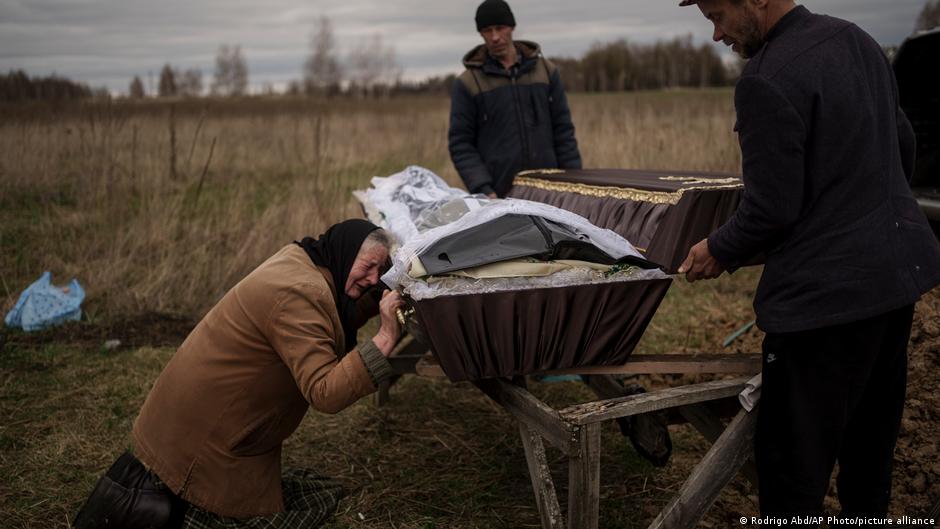
June 2026 became the deadliest month for civilians in Ukraine since the onset of Russia's full-scale invasion, marking a troubling escalation in the conflict’s human toll, according to data released by the United Nations (UN) at a Security Council meeting on July 9.
For the third consecutive month, civilian casualties have been rising in Ukraine, reflecting intensifying Russian attacks. UN Deputy Secretary-General for Political and Peacebuilding Affairs, Rosemary DiCarlo, reported that at least 265 civilians were killed and 1,816 wounded in June due to Russian strikes. While May’s figures were slightly higher with 274 deaths, the June numbers are preliminary and the actual toll may be greater.
Human Cost and Broader Implications
Since the beginning of the war in early 2022, at least 16,402 civilians—including 802 minors—have been killed in Ukraine, with more than 48,428 injured. The previous deadliest month was May 2026, and early July data suggests the trend is continuing. Russian strikes on July 2, 6, and 8 targeted the centers of several Ukrainian cities, causing dozens of casualties, underscoring a clear and sustained pattern.
"The continuation of high civilian casualties highlights an urgent need for an immediate and unconditional ceasefire," DiCarlo emphasized.
Latvia’s Permanent Representative to the UN, Sanita Pavļuta-Deslande, detailed that at least 93 civilians died and over 500 were injured in Ukraine during the first week of July alone. UN assessments also reveal a seasonal increase in casualties during spring and summer months, but 2026 figures are alarmingly higher than in previous years, indicating an intensification of the conflict’s impact on civilians.
For the United States, this escalating humanitarian crisis presents multifaceted challenges. American companies with operations or supply chains connected to the region may face increased risks and uncertainties, potentially disrupting markets and supply lines. Additionally, the rising toll could influence Washington’s diplomatic and military support strategies toward Ukraine, factoring into policy decisions amid ongoing debates about US involvement and aid.
Moreover, the sustained violence places additional pressure on US policymakers to push for effective conflict resolution, balancing geopolitical interests with humanitarian concerns. The call from UN officials for a ceasefire aligns with broader international expectations that could shape Washington’s diplomatic efforts in multilateral forums.
As the conflict persists, the US business community must monitor developments closely, assessing both risks and opportunities emerging from the evolving landscape. Stability in Eastern Europe remains critical not only for regional security but also for global economic ties involving American enterprises.
Deputy Secretary-General DiCarlo concluded her remarks by urging all parties to commit to a lasting peace in accordance with the UN Charter and international law, highlighting the imperative for a just and comprehensive resolution.