Death of Iranian Supreme Leader Ali Khamenei Marks New Uncertainties for US-Iran Relations
The secretive burial of Ali Khamenei and his son’s absence raise concerns for US businesses amid renewed Middle East tensions.
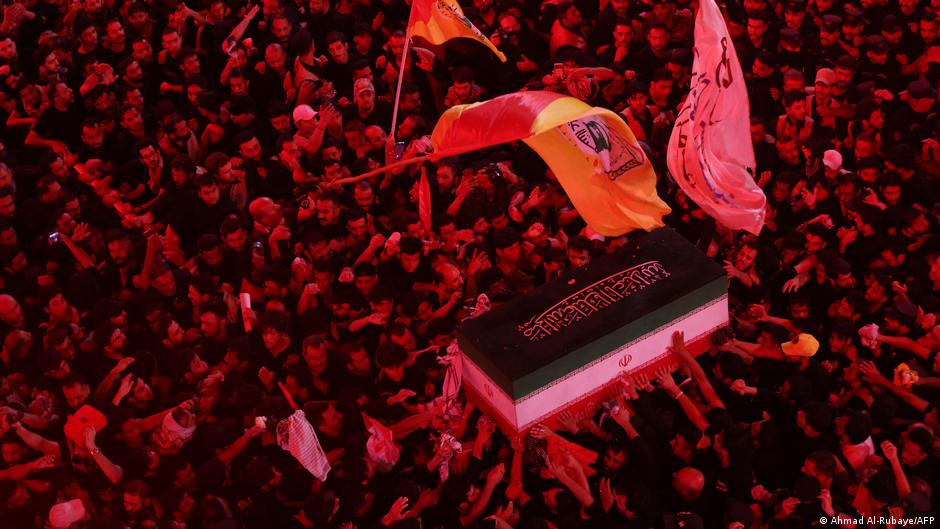
On July 10, a closed funeral ceremony was held in Mashhad, Iran, for the recently deceased former Supreme Leader Ali Khamenei, whose death was confirmed more than four months after an airstrike by US and Israeli forces targeted his residence. The ceremony took place at the Imam Reza shrine, one of the most significant Shia Muslim sanctuaries, visited annually by up to 20 million pilgrims.
Strategic Implications for US Interests
The burial of Khamenei at such a revered site underscores Tehran’s portrayal of him as a martyr in a struggle against a militarily superior enemy. This narrative bolsters the regime's ideological resolve, potentially hardening Iran's stance in ongoing geopolitical disputes and complicating diplomatic efforts.
Notably absent from public view during the funeral and preceding mourning events was Khamenei’s son, Mojtaba, who is believed to have succeeded his father as Supreme Leader. His continued absence fuels speculation about his health and security, as well as the stability of Iran’s leadership hierarchy.
"The regime’s secrecy around Mojtaba Khamenei’s condition and whereabouts signals potential vulnerabilities within Iran’s ruling elite, raising questions for US policy and regional stability."
This leadership ambiguity creates uncertainty for American businesses operating or invested in the region, as fluctuating political dynamics may disrupt supply chains and elevate geopolitical risks.
The US administration’s response has been cautious but firm. Former President Donald Trump acknowledged a temporary pause in negotiations with Tehran during the mourning period but emphasized that the ceasefire was fragile. Shortly after the funeral events, hostilities resumed, including Iranian attacks on US allies' assets in Bahrain and Kuwait, as well as tank strikes near the strategic Strait of Hormuz.
These developments have reignited tensions, with US forces retaliating against Iranian Revolutionary Guard positions. Although some in the Biden administration affirm ongoing diplomatic channels, the volatile environment limits prospects for meaningful negotiation.
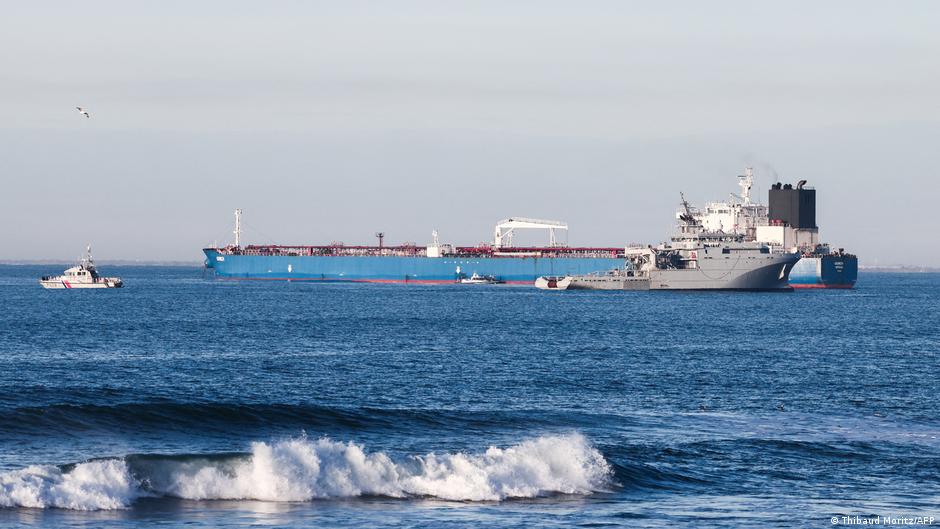
For US companies, particularly those reliant on Middle Eastern energy supplies and regional stability, the renewed conflict and uncertain Iranian leadership pose challenges. Escalating hostilities risk disruptions to oil shipments through critical chokepoints, affecting global markets and corporate bottom lines.
Moreover, sanctions regimes and countermeasures tied to Iran’s political shifts could impact American firms’ operations across multiple sectors, from energy to finance and technology.
In summary, the secretive funeral of Ali Khamenei and the opaque succession process reflect deepening uncertainties within Iran’s political landscape. For Washington and US businesses, these developments underscore the need for vigilant risk assessment and adaptive strategies amid an unpredictable Middle Eastern environment.