Russian Military Launches Largest Ballistic Missile Strike on Kyiv Amid Ongoing Conflict
The recent missile attack on Kyiv causes casualties and damages infrastructure, with implications for US businesses linked to Ukraine.
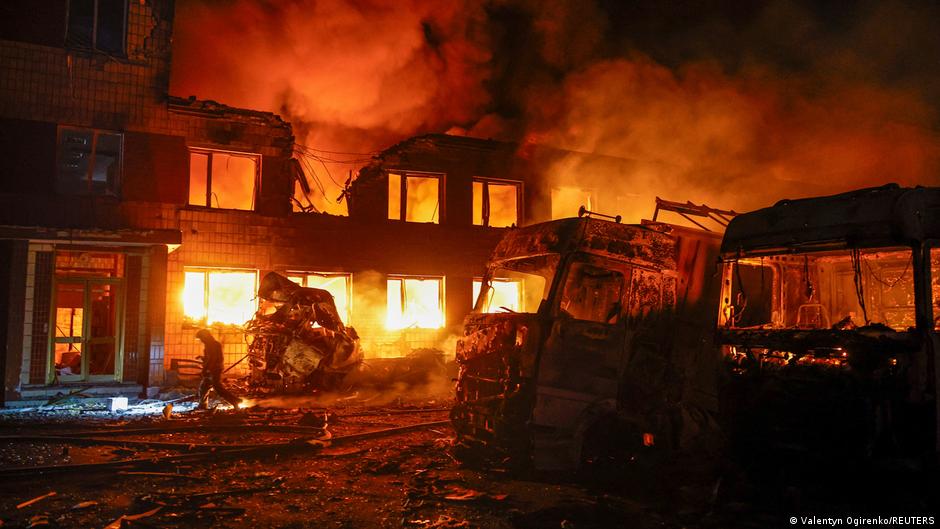
On the night of July 19, the Russian military conducted its most extensive ballistic missile strike on Kyiv since the start of the conflict. The attack resulted in significant damage to residential and commercial structures, causing several casualties and raising concerns about the ongoing instability in Ukraine.
Impact on Kyiv and Broader Implications for US Interests
The missile barrage targeted multiple districts across Kyiv, including Dniprovskyi, Shevchenkivskyi, and Solomianskyi. Fires broke out in a shopping center, a dormitory building, and several residential complexes following the missile impacts. More than ten parked vehicles suffered damage, and windows were shattered in nearby homes. The city’s mayor reported that eight individuals were injured and one person lost their life in the attacks.
These strikes represent a significant escalation in Russia’s campaign and pose a continued risk to Ukraine’s infrastructure and civilian population. For American companies operating in or with Ukraine, the destruction of commercial properties and disruption of utilities could have immediate effects on supply chains, business continuity, and investment prospects.
“The damage to Kyiv’s urban infrastructure highlights the persistent volatility in the region, underscoring risks for international businesses and prompting reassessments of operational exposure,” said an expert on Eastern European geopolitics.
US policymakers and businesses must monitor these developments closely, as ongoing military actions may influence diplomatic negotiations, economic sanctions, and the stability of markets connected to Ukraine. The strike comes amid broader geopolitical tensions, with Washington continuing to support Ukraine through military aid and economic assistance.
Companies in sectors such as technology, agriculture, and energy—areas with substantial American investment—face uncertainties related to security and the flow of goods. Insurance costs and risk assessments for operations in Eastern Europe are likely to increase as a result of heightened hostilities.
Furthermore, the attack underscores the potential for escalation in the region, which could lead to increased volatility in global commodity markets and strain international supply chains. US businesses with exposure to these markets should consider strategic adjustments to mitigate risks.