US Administration Poised to Allow Saudi Arabia Uranium Enrichment Amid Nuclear Concerns
Trump administration plans to permit Saudi uranium enrichment without stringent IAEA safeguards, raising proliferation risks.
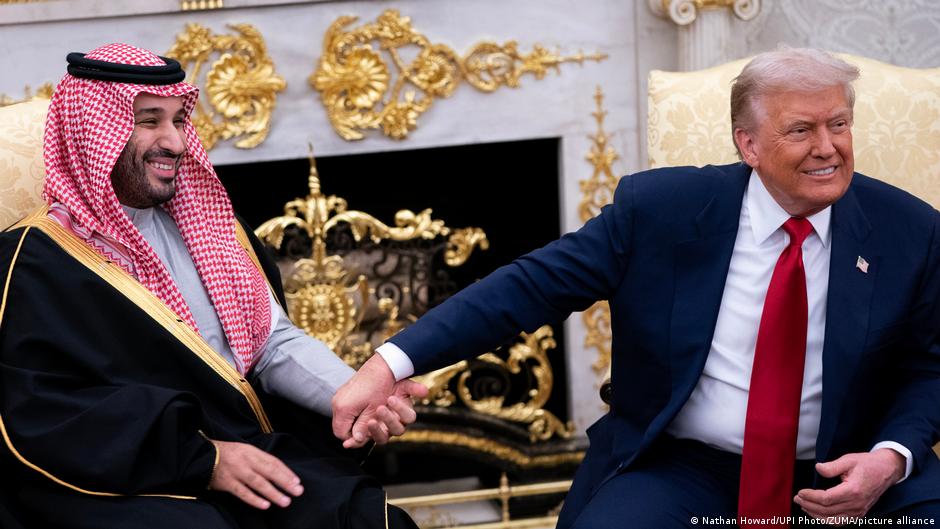
The Trump administration has reportedly agreed to allow Saudi Arabia to enrich uranium without imposing strict International Atomic Energy Agency (IAEA) inspections, a move that could pave the way for Riyadh to develop nuclear weapons capabilities.
According to sources familiar with the negotiations, the United States and Saudi Arabia are finalizing a bilateral agreement focused on supporting Saudi Arabia's civilian nuclear energy program. However, unlike previous US nuclear cooperation agreements that require adherence to the IAEA's Additional Protocol — which grants inspectors expanded access to verify the absence of undeclared nuclear activities — this deal lacks such stringent verification measures.
Implications for US National Security and Business Interests
Experts warn that permitting uranium enrichment without comprehensive safeguards undermines nonproliferation norms, potentially enabling Saudi Arabia to pursue nuclear weapons development under the guise of civilian energy programs. Crown Prince Mohammed bin Salman has publicly declared that Saudi Arabia would seek nuclear weapons if Iran succeeds in acquiring them, intensifying regional security risks.
"This agreement could effectively open a pathway for Saudi Arabia to develop nuclear arms, destabilizing the Middle East security landscape," said a nuclear policy expert.
From a Washington perspective, this decision has significant implications. It complicates US diplomatic efforts to contain Iran's nuclear ambitions and may trigger a regional arms race that destabilizes markets and geopolitical stability essential to US business interests. American companies engaged in nuclear technology, energy production, and defense sectors could face increased uncertainty as Middle Eastern geopolitics shift.
The proposed agreement, expected to be signed by President Trump following the conclusion of negotiations anticipated by late 2025, has been delayed amid escalating tensions and potential military conflicts involving the US, Israel, and Iran. These developments contribute to uncertainty surrounding the strategic calculus of the agreement and its impact on American foreign policy and commercial ties in the region.
For US businesses, particularly energy and defense contractors, the evolving nuclear cooperation framework with Saudi Arabia presents both opportunities and risks. While civilian nuclear energy projects might offer new markets, the potential proliferation concerns and regional instability pose threats to the security environment in which American enterprises operate.
As Washington weighs the benefits of fostering Saudi Arabia's civilian nuclear capabilities against the risks of nuclear proliferation, the decision reflects broader challenges in balancing national security, regional alliances, and economic interests in an increasingly complex Middle East landscape.