Russian Strikes Kill Civilians Across Ukraine, Raising Stakes for Washington
Deadly attacks on Ukrainian cities sharpen pressure on Washington and highlight mounting risks to infrastructure and commercial activity.
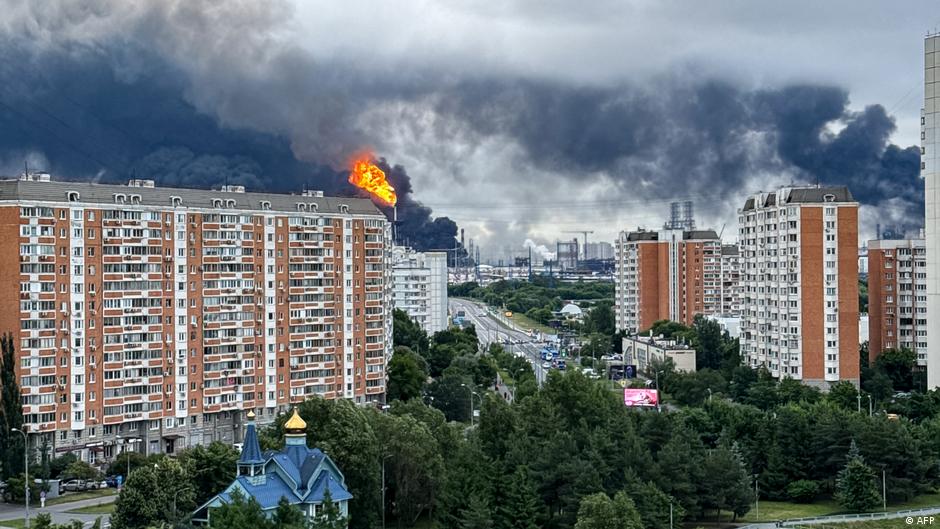
Russian strikes across Ukraine killed at least 20 people on Thursday, October 29, according to Ukrainian officials, as attacks damaged homes, shops, vehicles, warehouses, transportation facilities and other civilian infrastructure. The assault is likely to intensify scrutiny in Washington of US support for Kyiv while adding to the security, logistics and operational risks facing American companies with exposure to Ukraine.
In central Chernihiv, two 15-year-old girls were killed when Russia struck the city with a Banderol, also designated S8000, according to regional military administration head Viacheslav Chaus. The weapon was described as a small hybrid combining characteristics of a cruise missile and a jet-powered attack drone.
At least 25 people were injured in Chernihiv, including four children: a 10-month-old girl, a 10-year-old girl, and boys aged 16 and 17. Eight people remained hospitalized, Chaus said, including a brother and sister in serious condition. The other casualties received treatment at the scene or were being treated as outpatients.
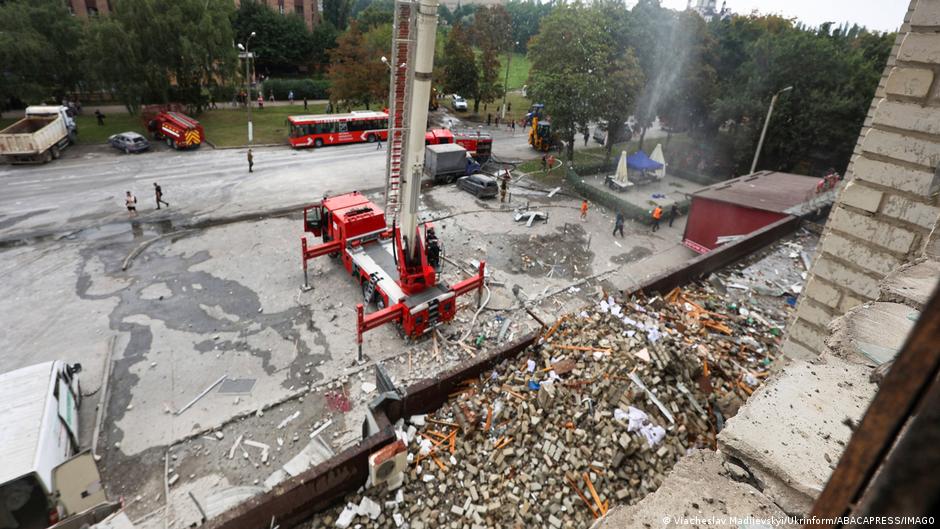
“It was a strike on an ordinary street. Houses, shops and cars were damaged — there was no military purpose,” Ukraine’s State Emergency Service said.
Chernihiv declared October 30 a day of mourning.
Rail, Warehouses and Commercial Assets Hit
The most lethal reported attack occurred in Dnipro, where a drone strike on the railway station on October 29 killed at least 14 people and injured another 14. The attack on a major transportation site underscores the continuing danger to Ukraine’s passenger and freight networks, which are central to domestic commerce and the movement of supplies.
In Kremenchuk, three residents were killed and 25 people were injured in a Russian attack, according to Ukraine’s emergency service. In Zaporizhzhia, two men, aged 41 and 66, were injured and received medical care. Four passenger cars and an open area caught fire, while a warehouse, four vehicles and four buses were damaged, the emergency service reported.
Later that evening, a Russian missile struck Kharkiv’s Slobidskyi district, according to emergency officials. Fires broke out in a production building and on adjacent land, covering a combined 400 square meters. At another location, remnants of various materials burned across 80 square meters, and two trucks were damaged.
Officials did not specify what was stored in the production building or why the explosion caused the fire. Kharkiv Mayor Ihor Terekhov said the district was hit with a Banderol weapon.
Kyiv also came under attack on the evening of October 29. Mayor Vitali Klitschko said Russia used a ballistic missile and that warehouse buildings in the capital’s Darnytskyi district were hit, starting a fire. In the Dniprovskyi district, missile debris burned in the courtyard of a residential complex.
Klitschko said blast waves shattered windows in one residential building, while windows and cars were damaged at another address. A shop building near the residential complex where missile debris fell was partially destroyed. The Kyiv City Military Administration said one person was killed in the attack.
Washington Faces Renewed Policy and Business Questions
The attacks present a renewed test for US policymakers weighing military assistance, air-defense support and the broader American commitment to Ukraine. Ukrainian President Volodymyr Zelensky said earlier on October 29 that intelligence indicated Russia was preparing to attack Ukraine again with ballistic missiles.
For US businesses, the damage illustrates how strikes can disrupt transport, warehousing, manufacturing and urban commercial activity even when facilities are not identified as military targets. American companies operating in Ukraine, supplying Ukrainian partners or assessing future reconstruction opportunities face persistent risks involving personnel safety, insurance, supply chains and physical assets.
The strikes may also feed congressional debate over the costs and strategic value of continued assistance to Kyiv. Supporters of additional aid are likely to point to civilian deaths and attacks on infrastructure as evidence that Ukraine requires stronger protection. Skeptics may focus on the financial burden and the danger of deeper US involvement. The immediate bottom-line concern for companies remains the same: repeated attacks increase operating costs and make commercial planning more difficult.
Russia’s Defense Ministry offered a different account of its operations. In a Telegram statement on the evening of October 29, it said Russian forces had used drones to strike Ukrainian port infrastructure and vessels employed in the interests of Ukraine’s armed forces. It also reported strikes on a temporary Ukrainian troop deployment point in the Kharkiv direction and said Russian forces had identified and destroyed Ukrainian FPV-drone control points in the Dnipropetrovsk direction.
The ministry’s statement did not address the full range of civilian casualty reports presented by Ukrainian authorities. The widening pattern of damage across several regions nevertheless shows how the war continues to affect residential districts, public transportation and commercial property, keeping pressure on Washington and extending uncertainty for businesses connected to the Ukrainian economy.