Turkey Pushes to Revive Russia-Ukraine Talks Amid Global Tensions Impacting US Interests
Turkish President Erdogan emphasizes efforts to restart Russia-Ukraine negotiations, signaling potential implications for US diplomacy and business amid wider geopolitical conflicts.
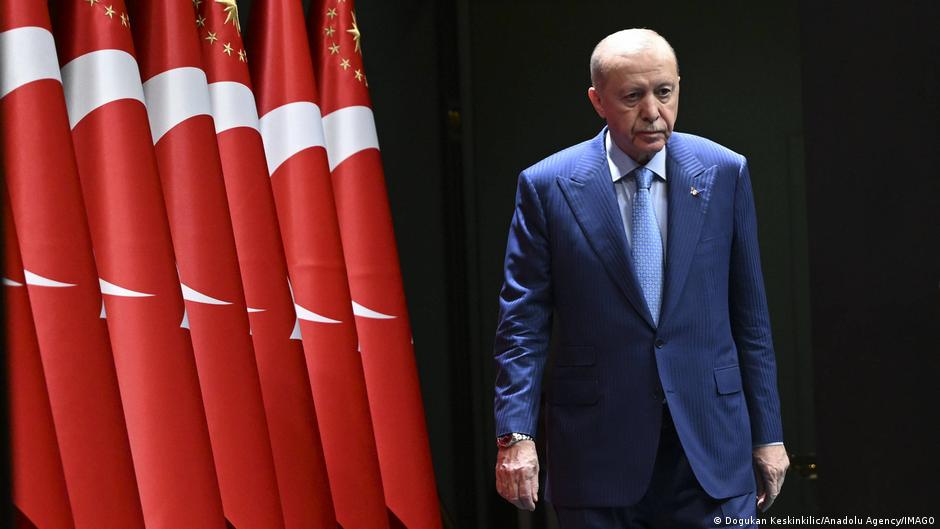
Turkey is actively working to restart peace negotiations between Russia and Ukraine, a process that has stalled amid escalating global conflicts that also affect US strategic interests and economic stability. Turkish President Recep Tayyip Erdogan announced these efforts during a meeting with NATO Secretary General Jens Stoltenberg in Ankara on April 22.
According to Erdogan’s administration, Turkey is committed to ending the war between Russia and Ukraine through renewed dialogue and negotiations at the leadership level. This development comes as the conflict between the US and Israel against Iran adds further complexity to the global geopolitical landscape, also influencing European stability and, by extension, the international business environment in which American companies operate.
Turkey’s Diplomatic Role and US Business Implications
In addition to his meeting with Stoltenberg, Erdogan spoke by phone with German President Frank-Walter Steinmeier, addressing how the US-Israel conflict with Iran is weakening Europe. Erdogan highlighted Turkey’s dual efforts to mediate both in the Middle East and the Russia-Ukraine conflict, aiming for sustainable peace agreements. These diplomatic engagements could reshape the geopolitical dynamics that affect US companies, particularly those involved in energy, defense, and supply chains linked to Eastern Europe and the Middle East.
“Turkey is interested in ending the war between Ukraine and Russia and is working on resuming negotiations and initiating dialogue at the leaders’ level,” Erdogan’s administration stated.
Ukraine’s Foreign Minister Andriy Sybiha recently requested Turkey’s assistance in arranging a high-level meeting between Ukrainian President Volodymyr Zelensky and Russian President Vladimir Putin. This appeal, made during the Antalya Diplomatic Forum from April 17-19, underscores Turkey’s potential role as a mediator capable of accelerating peace efforts. Sybiha also suggested that Erdogan and then-US President Donald Trump could participate in such a meeting, indicating a multilateral approach to conflict resolution.
For Washington, Turkey’s mediation efforts present both opportunities and challenges. On one hand, a successful negotiation could stabilize Eastern Europe, reducing risks for US businesses exposed to supply chain disruptions and regional uncertainty. On the other hand, the US must carefully navigate its alliances and geopolitical competition, particularly with Turkey’s balancing act between NATO commitments and relations with Russia.
Meanwhile, the Kremlin remains cautious. Kremlin spokesman Dmitry Peskov indicated that any meeting between Putin and Zelensky would be possible only to finalize agreements, signaling skepticism about a full-fledged restart of peace talks. Previous similar statements were made in mid-2023, reflecting persistent diplomatic deadlocks.
For US companies, the ongoing conflict and diplomatic efforts like Turkey’s mediation influence market volatility, energy pricing, and regional security. The evolving situation requires vigilant monitoring by American policymakers and business leaders to adapt strategies and safeguard economic interests.
As Turkey continues to push for renewed dialogue, Washington’s response will be critical in shaping the prospects for peace and stability in a region vital to global trade and geopolitical balance.