Ukraine Loses Fourth F-16 Fighter Jet Amid Ongoing Conflict with Russia
The latest F-16 loss marks a critical challenge for Ukrainian air defenses amid continued Russian aggression.
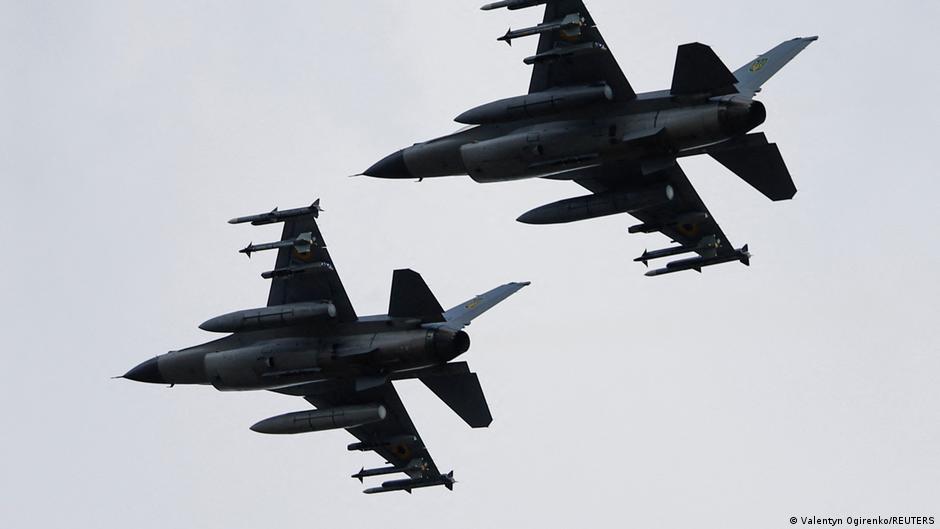
Ukraine's Air Force has lost its fourth F-16 fighter jet in combat operations, underscoring the ongoing challenges faced by Kyiv's military amid the protracted conflict with Russia. The incident occurred on July 29, 2026, when the fighter crashed during a mission to intercept Russian aerial targets.
According to Ukrainian military reports, the pilot ejected safely and was evacuated for medical evaluation, with no civilian casualties or ground damage reported. Investigations into the cause of the crash are ongoing, with Ukrainian experts and law enforcement officials conducting on-site assessments.
Strategic Implications for U.S. and Allied Support
The F-16 jets in Ukrainian service were supplied by a coalition of European nations led by Denmark and the Netherlands, with initial deliveries made in early August 2024. These aircraft are American-made, representing a significant U.S. contribution to Ukraine's aerial defense capabilities. The initial batch consisted of 10 jets, with plans to increase to 79 jets by the end of 2025.
Training for Ukrainian pilots took place on U.S. soil, highlighting Washington's direct role in preparing Kyiv’s forces to operate advanced Western military technology. The losses of these jets—including the first F-16 downed during a mass Russian missile attack in August 2024 and subsequent incidents in April and May 2025—pose operational and logistical challenges for U.S. and allied support efforts.
"Each F-16 lost represents a significant setback for Ukraine's air defense and a sensitive loss for the coalition supporting Kyiv," analysts note.
From a U.S. business perspective, these developments have implications for defense contractors and the broader military-industrial complex involved in the production, maintenance, and upgrade of these fighter jets. Continued losses may accelerate U.S. Pentagon decision-making on additional arms deliveries and support packages, impacting production lines and supply chains.
The sustained demand for advanced fighter jets like the F-16 also reflects a long-term commitment by the United States and its allies to bolster Ukraine's military resistance, directly influencing the geopolitical balance in Eastern Europe and shaping defense policy debates in Washington.
Furthermore, the operational use and attrition of U.S.-supplied hardware in Ukraine provide a real-world testing ground with potential feedback for future American defense exports and modernization programs.