Ukrainian Drone Strikes on Crimea Heighten Security Concerns for US Businesses
Drone attacks on Russian-controlled Crimea disrupt critical infrastructure, raising geopolitical risks for American companies operating in the region.
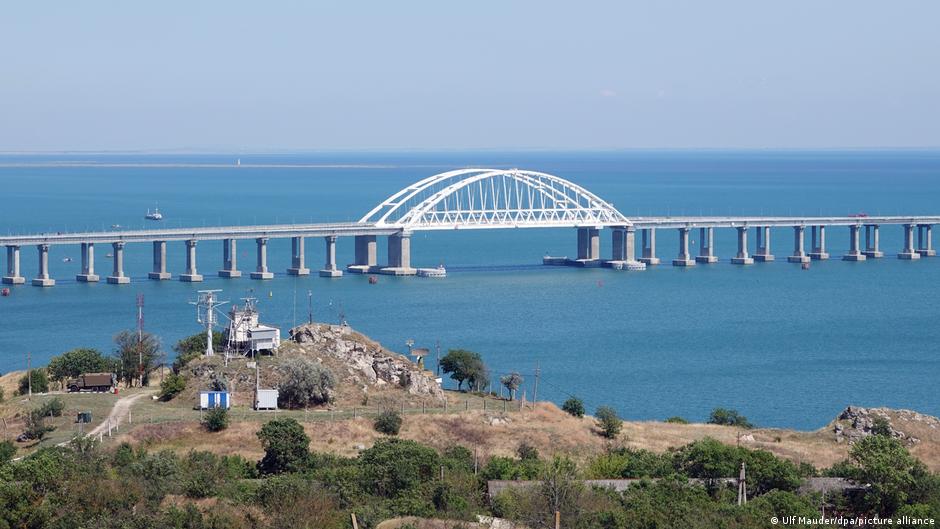
Ukrainian armed forces launched drone attacks against key infrastructure on the Russian-annexed Crimean Peninsula, escalating tensions with significant implications for global business and security. The strikes targeted the port of Kerch and Sevastopol, causing fires and temporarily disrupting transport routes, according to reports from Russian officials and local sources.
Details of the Attacks and Infrastructure Impact
On the night of June 20-21, multiple unmanned aerial vehicles (UAVs) reportedly attacked several strategic sites. A Russian-appointed official in Sevastopol confirmed that air defense systems intercepted four drones near Balaklava and Cape Fiolent, key areas in the peninsula. Despite the interceptions, fires broke out at a terminal for storing oil products in the Kerch port region, a vital logistics hub connecting Crimea with mainland Russia.
"Military forces are actively neutralizing enemy drones using various weapons, including small arms," the Sevastopol official reported, emphasizing ongoing defensive operations.
The attacks also affected the Kerch Strait Bridge, a critical infrastructure piece linking Crimea to Russia. Traffic on the bridge was temporarily halted as security personnel conducted inspections and ensured safety, highlighting vulnerabilities in supply and transport chains.
Additional fires were reported in the industrial zone near the Kerch port, including at the "TES-Terminal," a rail complex for transshipment and storage of petroleum and liquefied gas. There were also incidents in the settlement of Kurortnoye, a location housing air defense assets, and at a military unit near Kerch.
These assaults follow similar drone strikes on June 20, which ignited multiple fires across Crimea, including at the Tavricheskaya thermal power station, oil and gas storage facilities, and several bridges and crossings. Such repeated attacks underscore the growing volatility in the region.
Washington’s Strategic and Economic Considerations
U.S. companies with interests or operations in Eastern Europe and Russia face heightened risks amid these developments. The strikes threaten to disrupt energy supplies and regional logistics, sectors where American firms have significant exposure through partnerships, investments, or supply chains.
From a policy perspective, the escalation in Crimea complicates Washington’s balancing act. The U.S. must continue supporting Ukraine’s defense capabilities without provoking full-scale confrontation with Russia. In this context, American firms must reassess their risk profiles, including potential sanctions impacts, supply chain vulnerabilities, and asset security.
Moreover, the attacks reveal the increasing sophistication and tactical use of drone technology in contested zones, a factor that U.S. defense and intelligence agencies closely monitor. The operational patterns in Crimea may influence broader U.S. military and cybersecurity strategies concerning unmanned systems.
For the business sector, infrastructure disruptions in Crimea and surrounding regions could lead to increased insurance costs and operational delays. Energy markets may also experience volatility due to fires at critical storage and transshipment facilities, potentially affecting global petroleum product prices and availability.
In summary, the recent drone attacks on Crimea not only represent a tactical escalation in the Russia-Ukraine conflict but also present tangible challenges for American businesses and policymakers. The situation demands heightened vigilance and strategic adjustments to navigate the evolving geopolitical landscape.