US Considers Charging Transit Fees for Strait of Hormuz Passage Amid Iran Deal Uncertainty
President Trump proposes fees for ships passing through the Strait of Hormuz if the Iran agreement fails, signaling potential new costs for US businesses and allies.
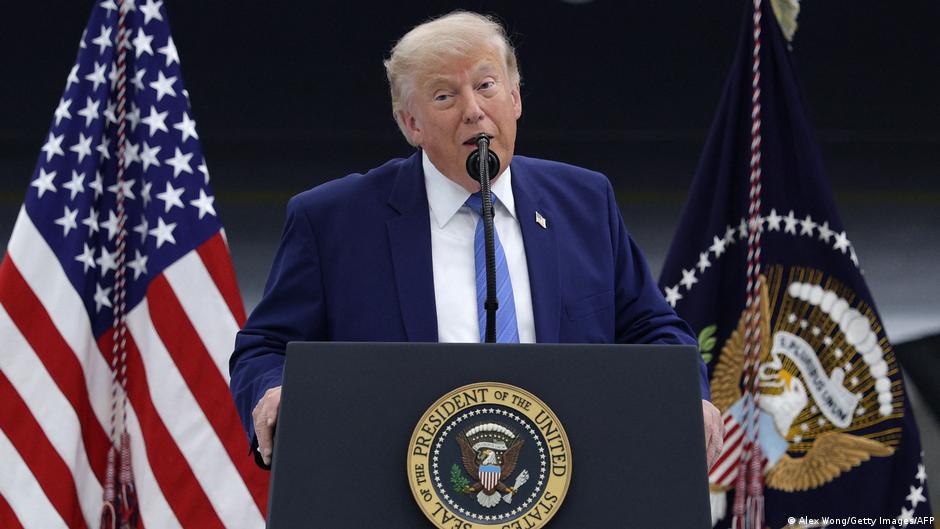
The United States is contemplating imposing fees on vessels transiting the strategically vital Strait of Hormuz should a diplomatic agreement with Iran collapse, President Donald Trump announced on June 20 via the social media platform Truth Social.
Washington’s Leverage and Economic Implications
Trump framed the potential fees as compensation for the services the United States provides to Middle Eastern countries, positioning Washington as the "guardian angel" of the region. This move, if implemented, could have significant repercussions for US businesses and international trade, especially energy companies reliant on uninterrupted oil shipments through the Strait.
"The payments would serve as remuneration for the protection and stability the US ensures in this critical maritime corridor," Trump stated. However, he clarified that no fees would be charged during the 60-day ceasefire period with Iran. If the ceasefire remains intact beyond this window, fees would also not be imposed.
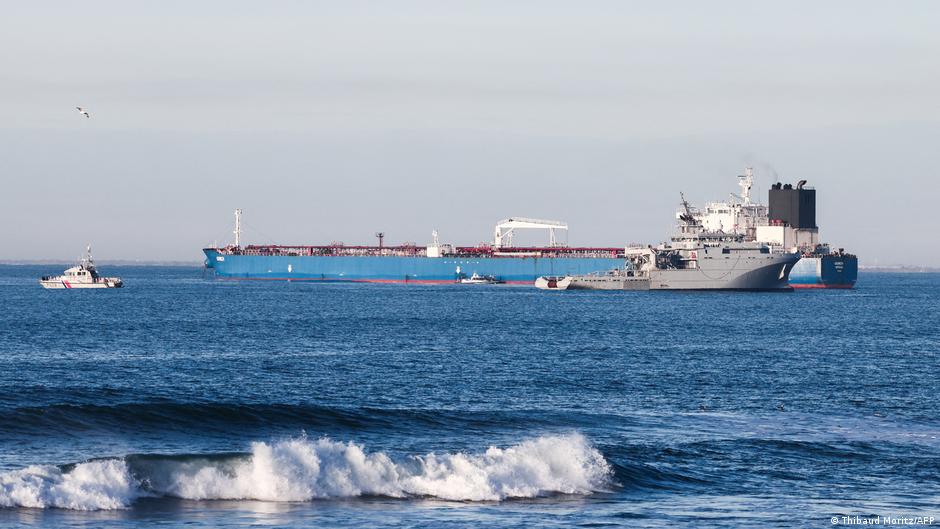
The Strait of Hormuz is a pivotal chokepoint through which approximately 20% of the world’s petroleum passes. Any disruption or added cost here directly affects global oil prices and supply chains, impacting US energy markets and companies.
Recent Developments in Strait Security
On June 18, the US Central Command (CENTCOM) announced the lifting of a blockade of the Strait of Hormuz, following directives from President Trump. Vice President James David Vance highlighted at a briefing that 12.5 million barrels of oil passed through the strait within 24 hours, marking the highest volume since the outbreak of hostilities between the US, Israel, and Iran on February 28.
Vance also noted a temporary lull in Iranian attacks on shipping, with no assaults recorded for two consecutive nights. Despite this progress, tensions remain fragile.
"The United States continues to monitor all developments to ensure the free flow of commerce and energy resources," a US official commented on ongoing security efforts.
However, Iran responded on June 20 by announcing new restrictions on vessel passages, citing retaliatory measures following Israeli military actions in southern Lebanon. Tehran claims that Israel’s strikes violated the ceasefire memorandum signed with the US on June 17, which called for cessation of hostilities on all fronts.
Iran’s military command warned that further aggression would trigger additional steps to compel compliance from adversaries, signaling potential for renewed escalation.
Implications for US Business and Policy
For American companies, particularly those in the oil and shipping sectors, the prospect of transit fees or renewed conflict poses operational and financial risks. Increased costs for shipping through the Strait of Hormuz could translate into higher prices for consumers and challenges for businesses dependent on Middle Eastern energy supplies.
Moreover, instability in this passageway may disrupt global oil markets, influencing strategic decisions by US policymakers and commercial stakeholders alike.
Since the ceasefire’s inception, an estimated 60 to 80 vessels have navigated the strait over nearly three days, compared to approximately 100 daily in peaceful times, illustrating the delicate balance in regional security.
As Washington weighs the introduction of fees and monitors Iranian compliance with the ceasefire, American businesses and political leaders face heightened uncertainty regarding energy security and Middle Eastern geopolitics.