US Intelligence Warns Israel May Undermine Washington’s Iran Deal, Impacting US Interests
US agencies caution that Israeli opposition to the Iran agreement could disrupt diplomatic progress and affect American strategic and business interests.
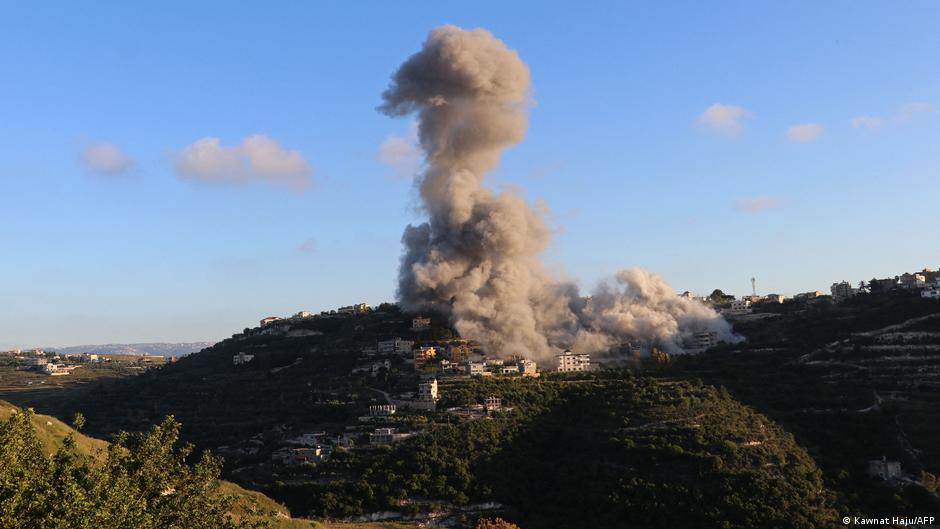
US intelligence agencies have alerted the Trump administration that Israeli Prime Minister Benjamin Netanyahu may attempt to derail the United States’ long-term diplomatic agreement with Iran. This warning reflects growing tensions between Washington and Jerusalem over the terms of the recent deal aimed at conflict resolution between the two nations.
Israeli Concerns and Military Actions
According to intelligence reports, Israel remains dissatisfied with the memorandum of understanding signed on June 17 between the US and Iran, viewing it as easing pressure on Tehran. The agreement, intended to halt hostilities and initiate negotiations, is seen by Israel as potentially limiting its capacity to counter the Iran-backed Lebanese Shiite militant group Hezbollah.
“Israel’s continued military operations against Hezbollah contradict the terms expected for further US-Iran negotiations,” intelligence sources noted, underscoring Netanyahu’s intent to sustain offensive measures.
Netanyahu's stance is influenced by domestic political considerations ahead of Israel’s parliamentary elections scheduled for fall 2026, with public opinion largely favoring stringent action against Hezbollah. A May survey by the Israeli Institute for National Security Studies showed that 70% of Jewish Israelis support intensified efforts against the group. Consequently, any cessation of military activity or withdrawal of the Israeli Defense Forces (IDF) from southern Lebanon could be perceived domestically as a political setback for Netanyahu.
Reports suggest that Netanyahu is employing various channels, including right-wing media and pro-Israel US senators, to exert pressure on the Trump administration to reconsider the deal's terms. He reportedly believes the final agreement will fail, especially given Iran’s reluctance to limit its nuclear program.
Ceasefire Developments and Diplomatic Implications
Despite these tensions, on June 19, Israeli and Hezbollah representatives reportedly reached a ceasefire agreement, although the IDF is expected to maintain a presence in southern Lebanon. However, conflicting reports emerged regarding alleged ceasefire breaches, with Lebanese authorities accusing Israeli forces of post-agreement attacks—a claim that Israeli officials have neither confirmed nor denied.
The ceasefire is a critical component of the memorandum between Washington and Tehran, which effectively halted the US and Israeli initiated conflict that began on February 28. The agreement also initiates a 60-day negotiation window to finalize a comprehensive peace settlement.
Nonetheless, military actions have persisted beyond the memorandum’s signing. This ongoing instability led to the postponement of scheduled negotiations between US and Iranian delegations in Switzerland on June 19. Swiss officials had anticipated hosting not only the primary parties but also intermediaries from Qatar and Pakistan.
Iranian negotiators have expressed a desire to see tangible compliance with the memorandum’s terms from the US before engaging in further dialogue. President Trump responded to the negotiation delay with a firm statement on social media: “It’s not us who came to the table out of desperation, but Iran. Their time is up! We will determine how these 60 days of negotiations proceed. They will not receive a single cent.”
Implications for US Business and Political Strategy
The intelligence warning about Israel’s potential to undermine the Iran deal holds significant consequences for US foreign policy and economic interests. A derailment could prolong regional instability, adversely impacting American companies operating in the Middle East, especially those in energy and defense sectors.
Furthermore, the US administration faces a diplomatic balancing act: maintaining a strategic alliance with Israel while pursuing a delicate nuclear agreement with Iran. Israeli actions opposing the deal may compel Washington to reconsider its approach, potentially delaying or weakening diplomatic progress.
For American businesses, sustained conflict in the region threatens supply chain disruptions and market volatility. Additionally, increased military engagements could prompt escalated defense spending and shifts in regulatory policies affecting US firms.
In this volatile environment, Washington’s capacity to manage its alliances and negotiate effectively with Tehran will directly influence not only geopolitical stability but also the economic interests of US companies.